Explore Topics
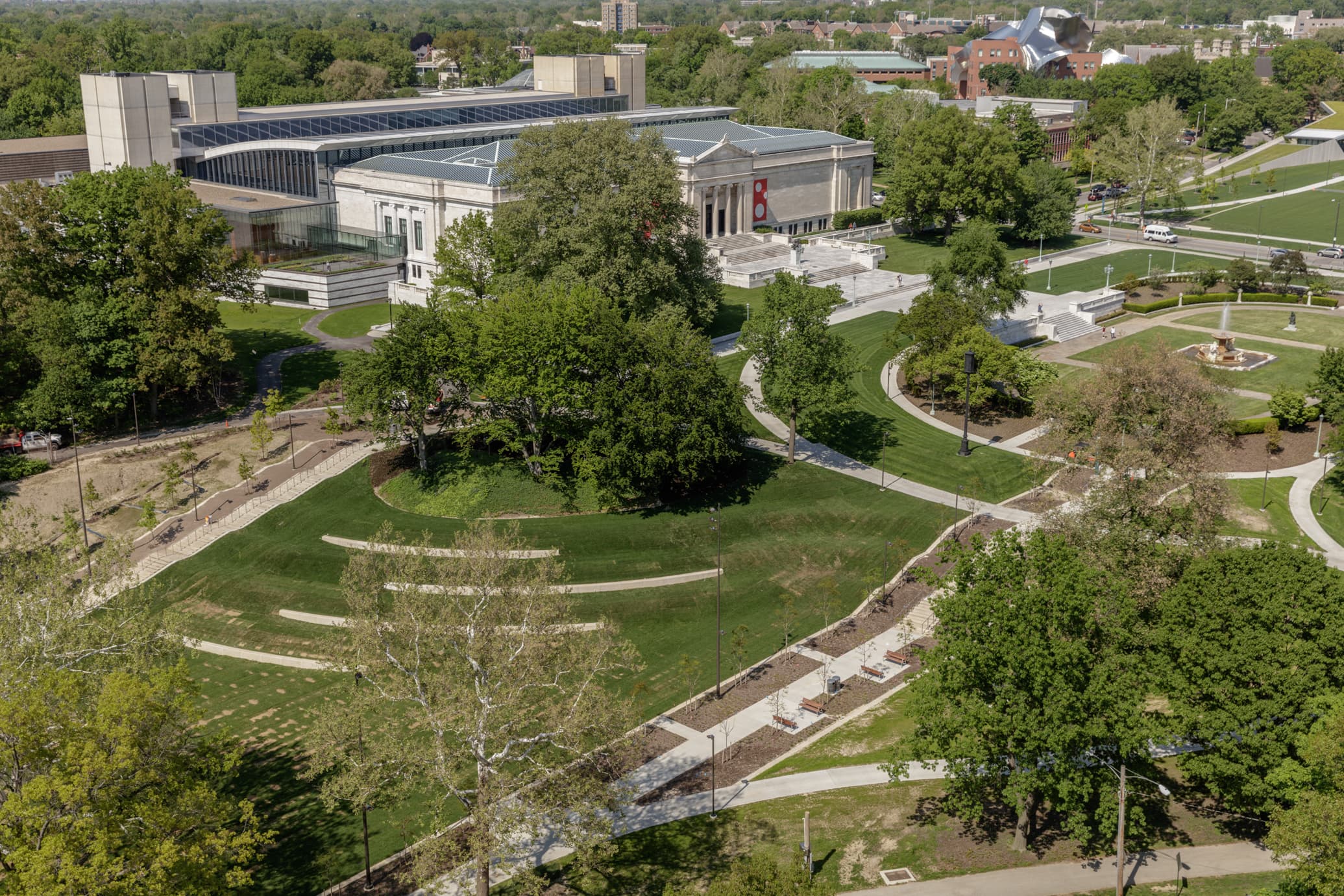
Building and Grounds
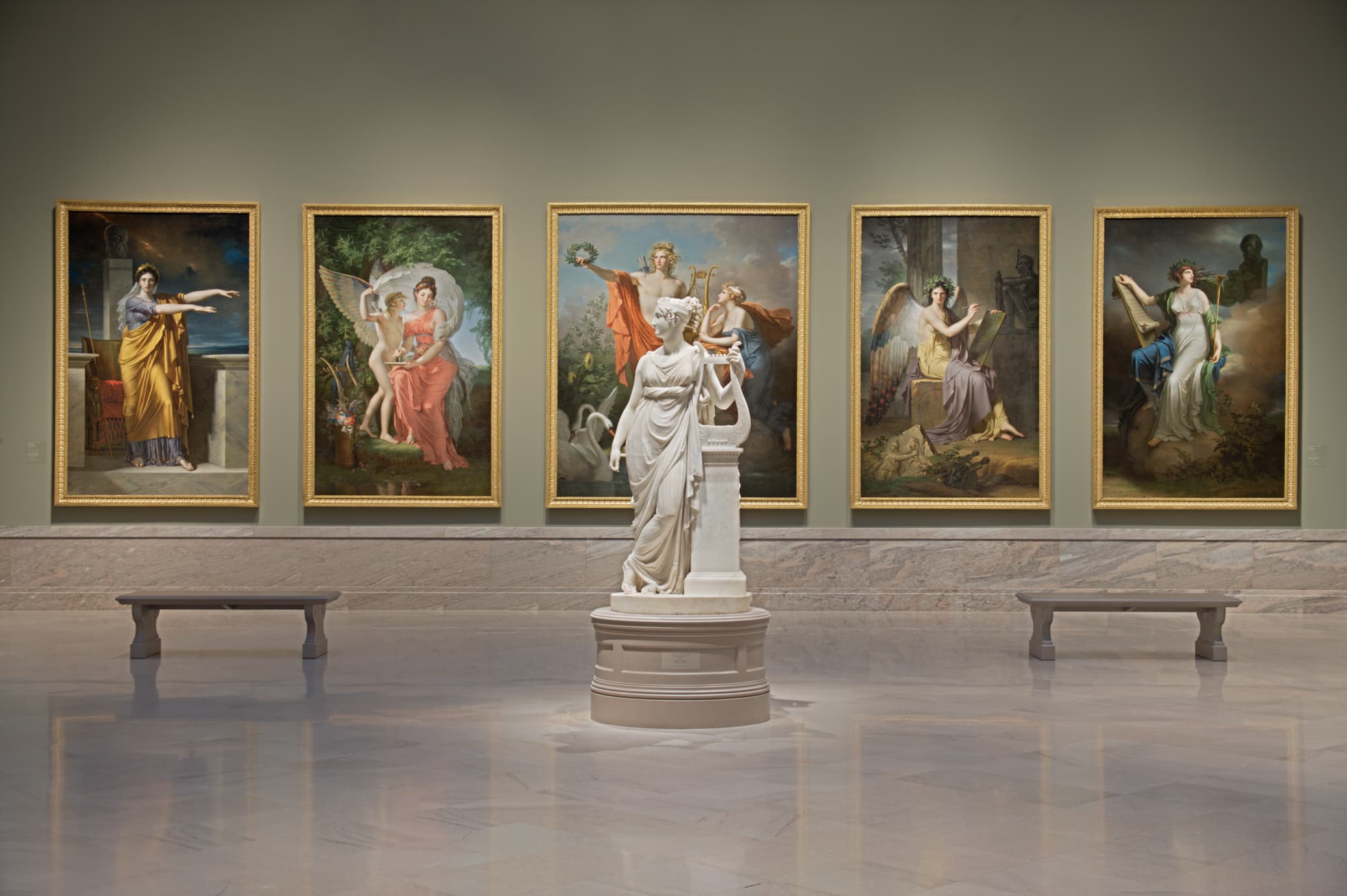
Collection
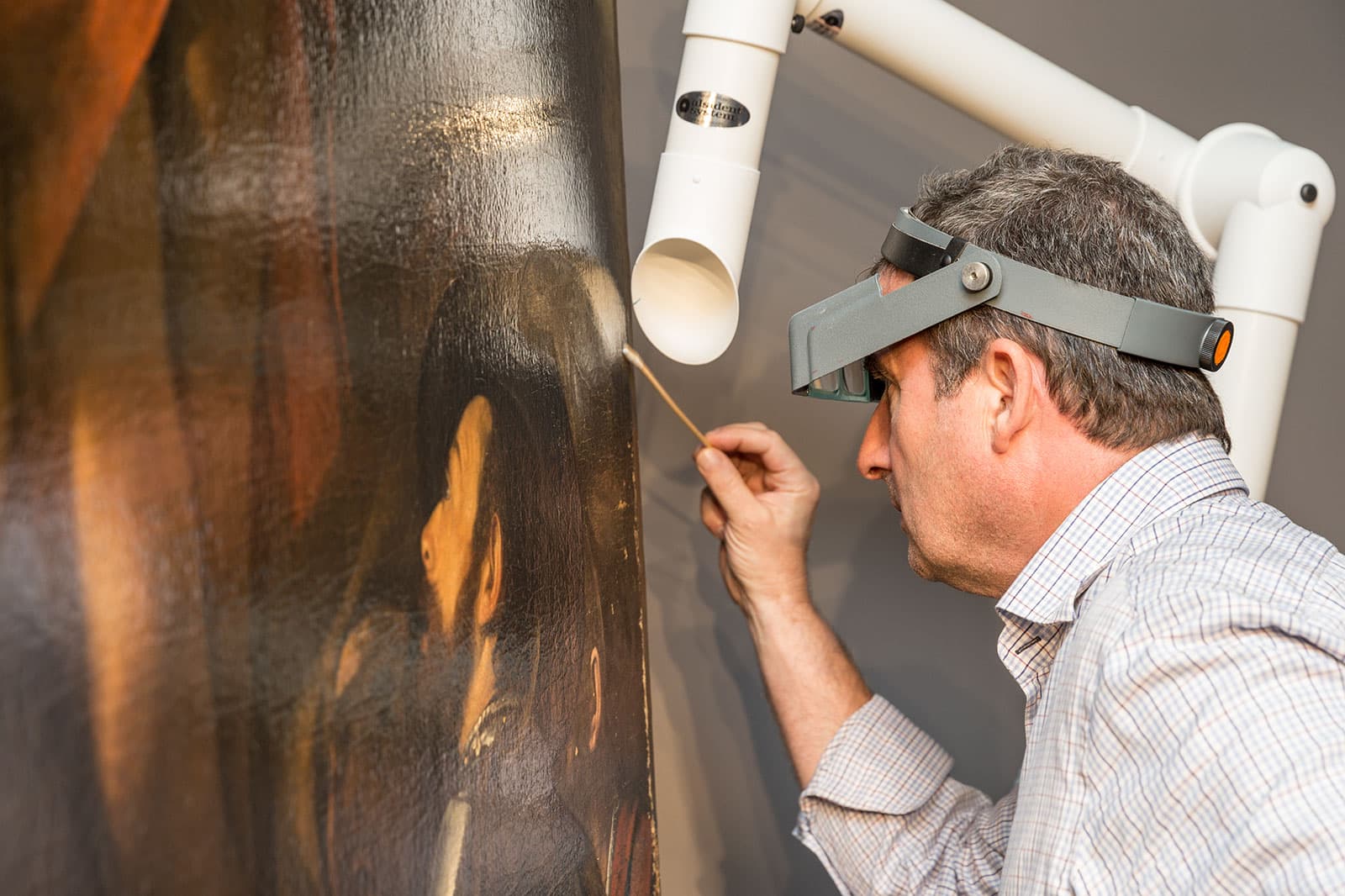
Conservation
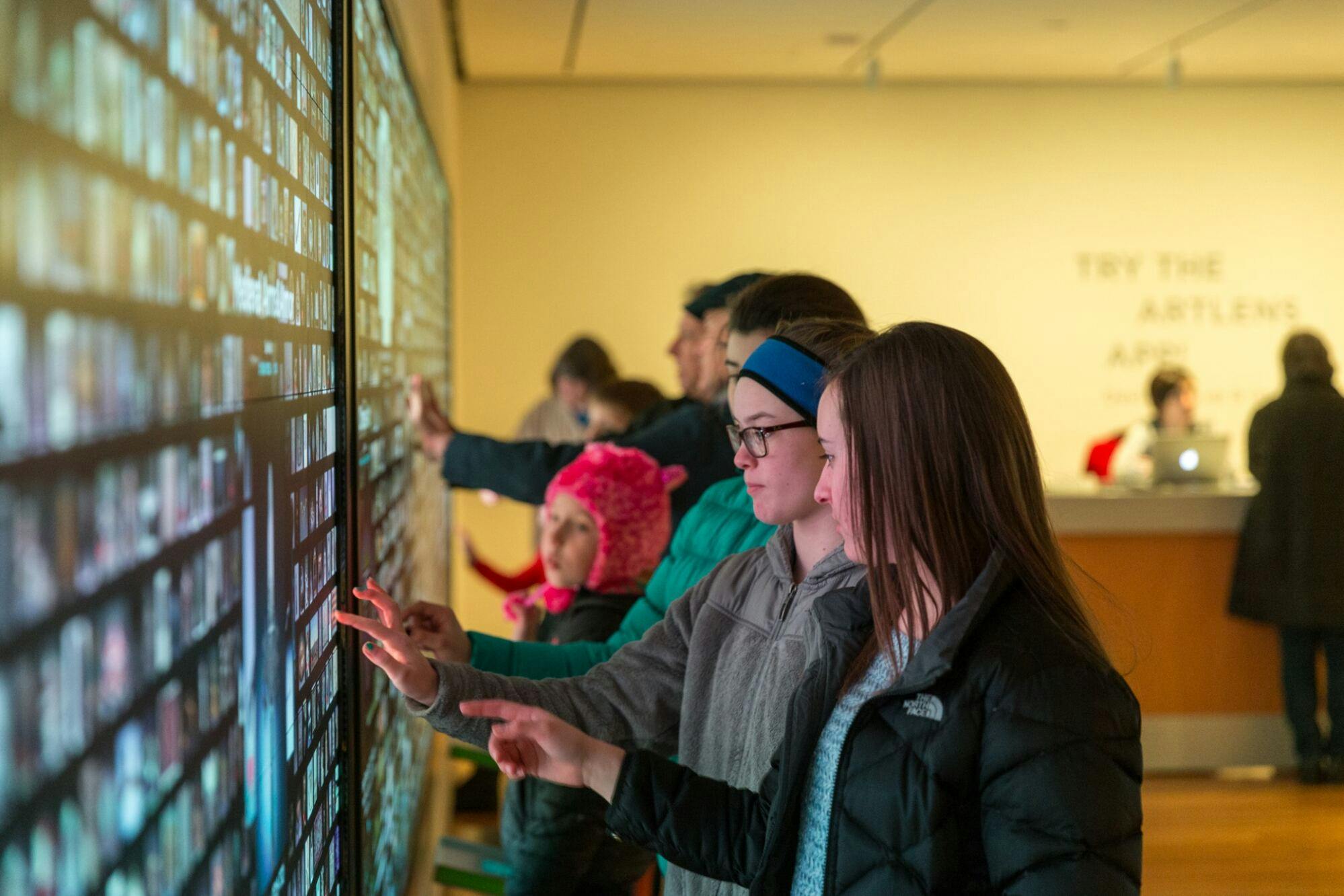
Digital Innovation
.jpg&w=3840&q=75)
Education
Events and Programs
Exhibitions
Ingalls Library and Museum Archives
Staff
Store
Strategic Plan
Support
Publications and Media
Latest Issues from Cleveland Art Magazine
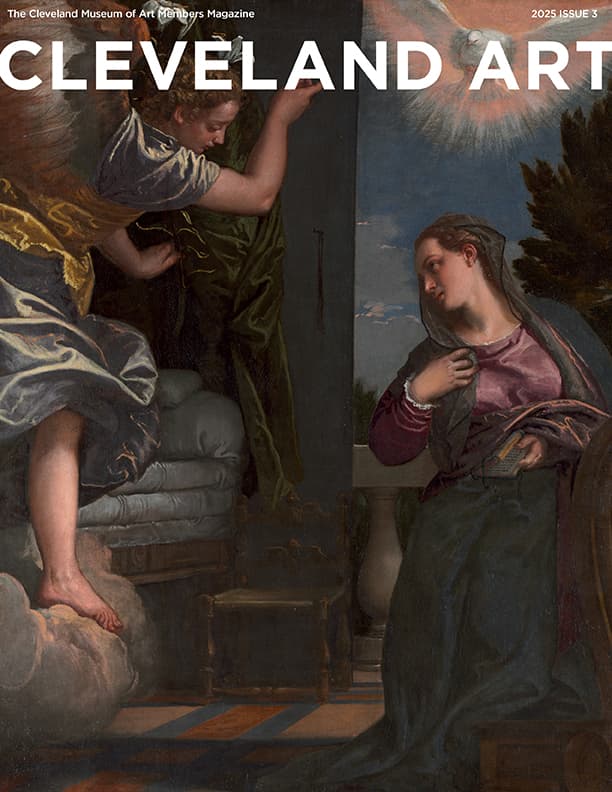
In this issue: Rethinking an American Artist: Andrew Wyeth's Spectacular Watercolors, The Renaissance...
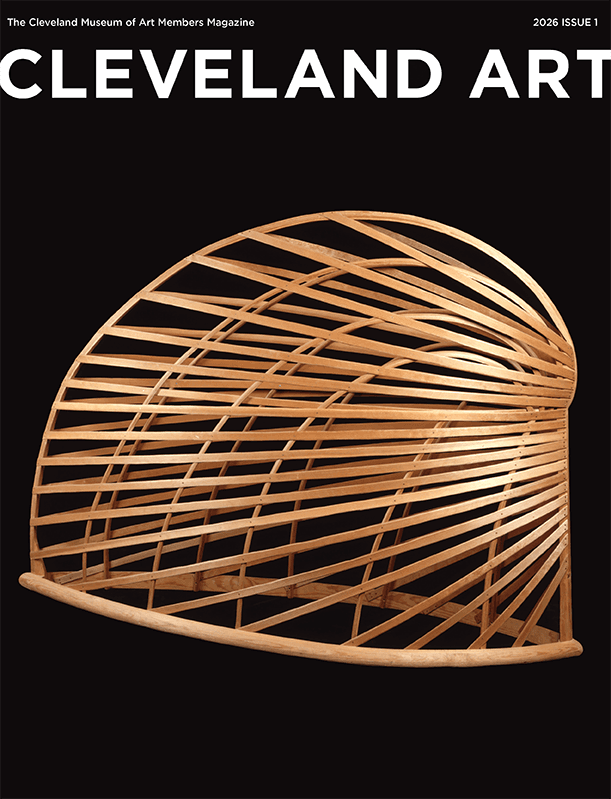
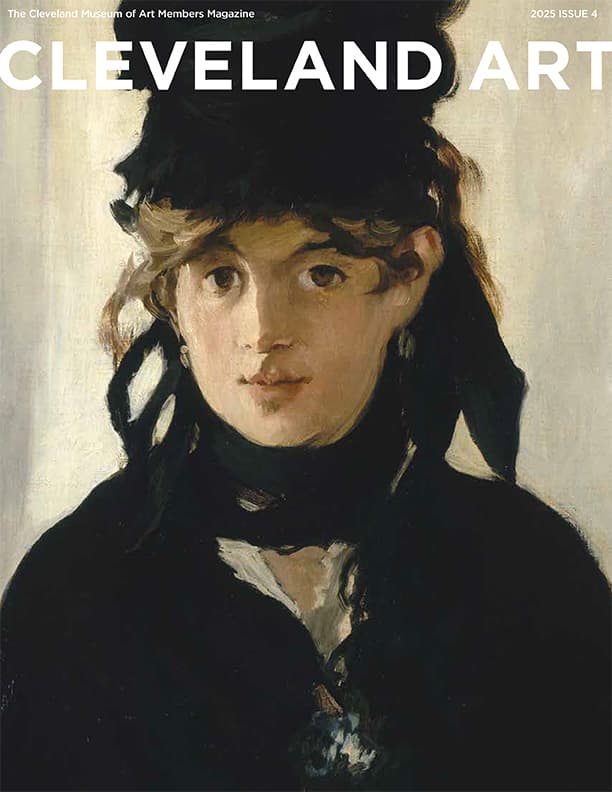
In this Issue: Martin Puryear: Nexus: Career Survey Explores Form, Material, and Making; Manet & Morisot:...
In This Issue: Still, Yet Moving: Ann Hamilton and Photography, still/emerging: Native American Works...
In This Issue: Renaissance to Runway: The Enduring Italian Houses, Filippino Lippi and Rome, In Vino...
In This Issue of the Members Magazine: A Talk with Takashi Murakami, Rose Iron Works, Chinese Photos...
In this issue of the members magazine: Takashi Murakami, Karamu Artists Inc., Collective Behavior: Shahzia...
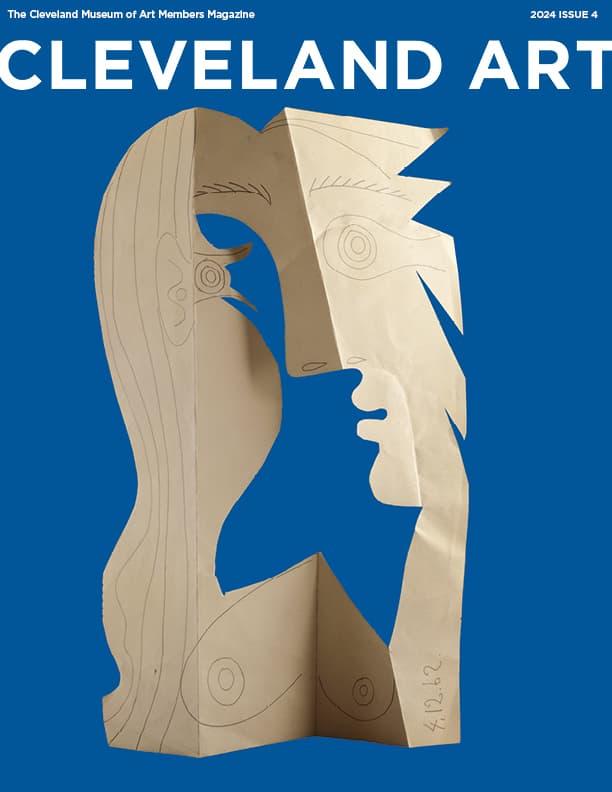
In this issue of the members magazine: Picasso and Paper, Shahzia Sikander: Collective Behavior, Kelli...
In this issue of the members magazine: Veit Stoss’s Jesse; Arts of the Maghreb; Good or Evil? Demons,...
In this issue of the members magazine: Korean Couture: Generations of Revolution; Picturing the Border...
In this issue of the members magazine: Africa & Byzantium; Barbara Bosworth; Fairy Tales and Fables;...
In this issue of the members magazine: New Narratives; Reconsidering Degas; Monet in Focus; The New...
In this issue of the members magazine: On China’s Southern Paradise; The Labor of Parisian Laundresses;...
In this issue of the members magazine: Egyptomania; The Power of Pleasure; The Photos of Raja Deen Dayal;...





The CMA Blog
Explore the Cleveland Museum of Art’s blog posts. See art from another angle.
Digitized Publications
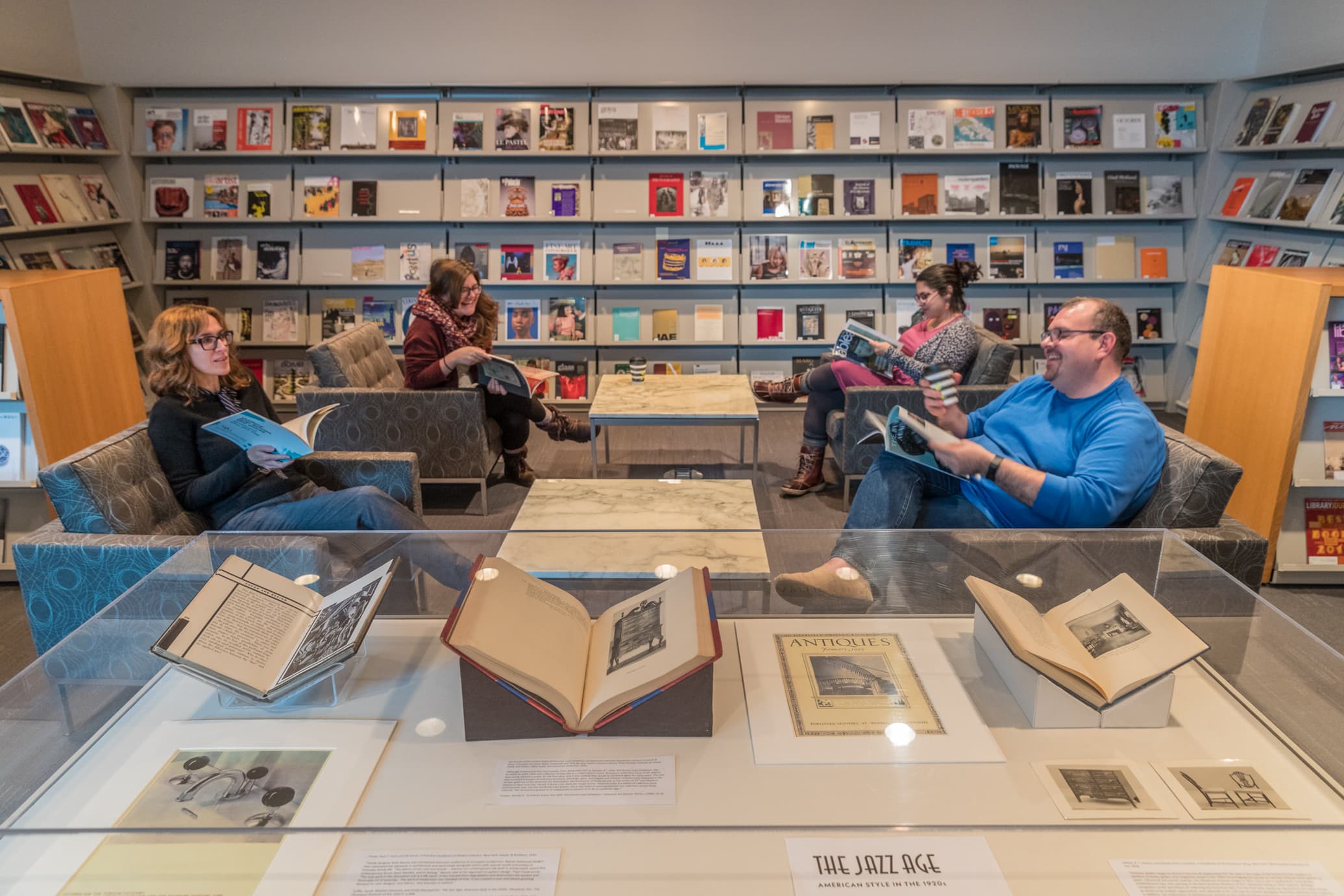
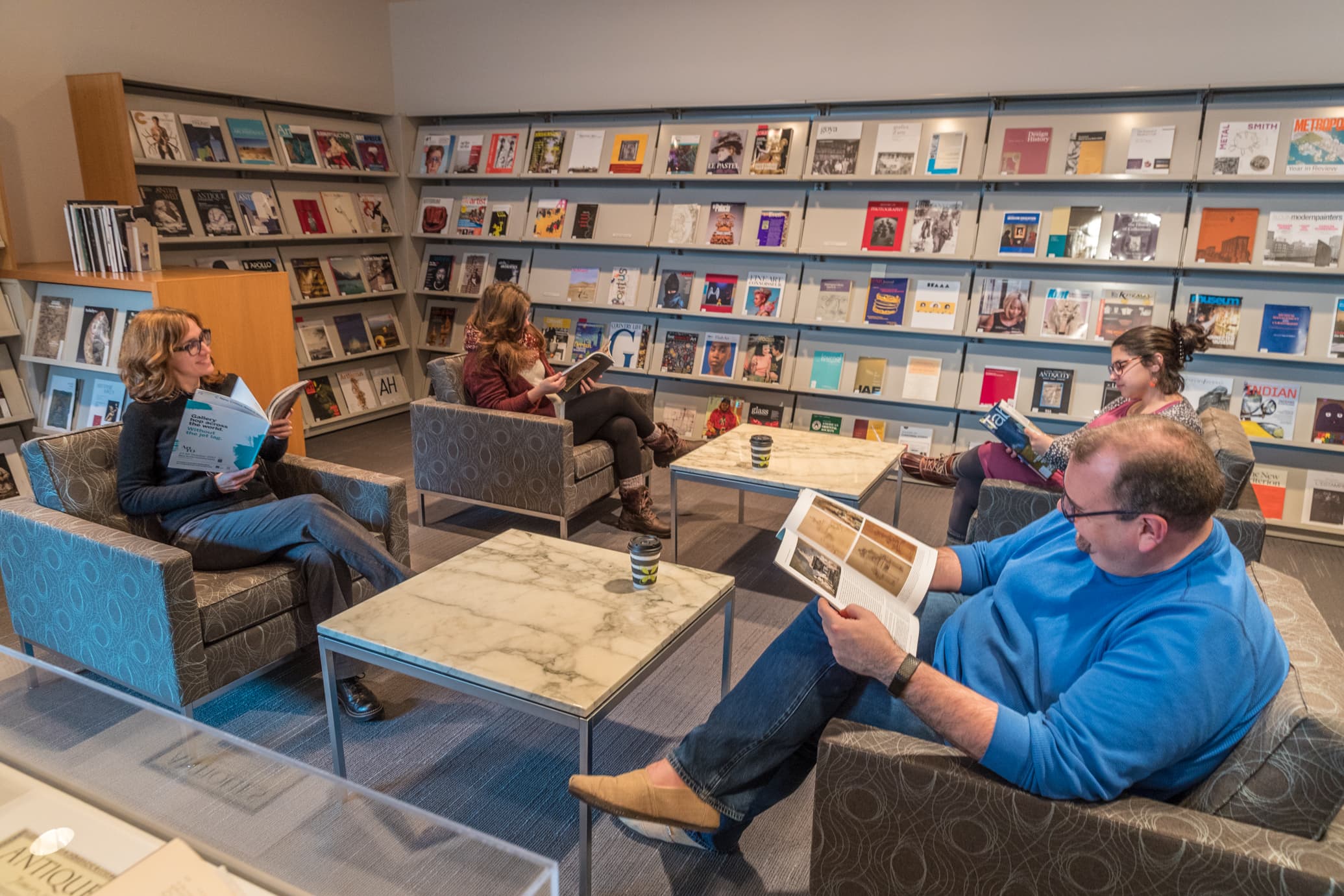
The Cleveland Museum of Art’s commitment to have a museum library staffed by a professional librarian coincided with the founding of the CMA in 1913. When the museum and library opened in 1916, the latter contained approximately 600 volumes, most of which were donated and reflected the collection, such as books on lace and armor.