Image

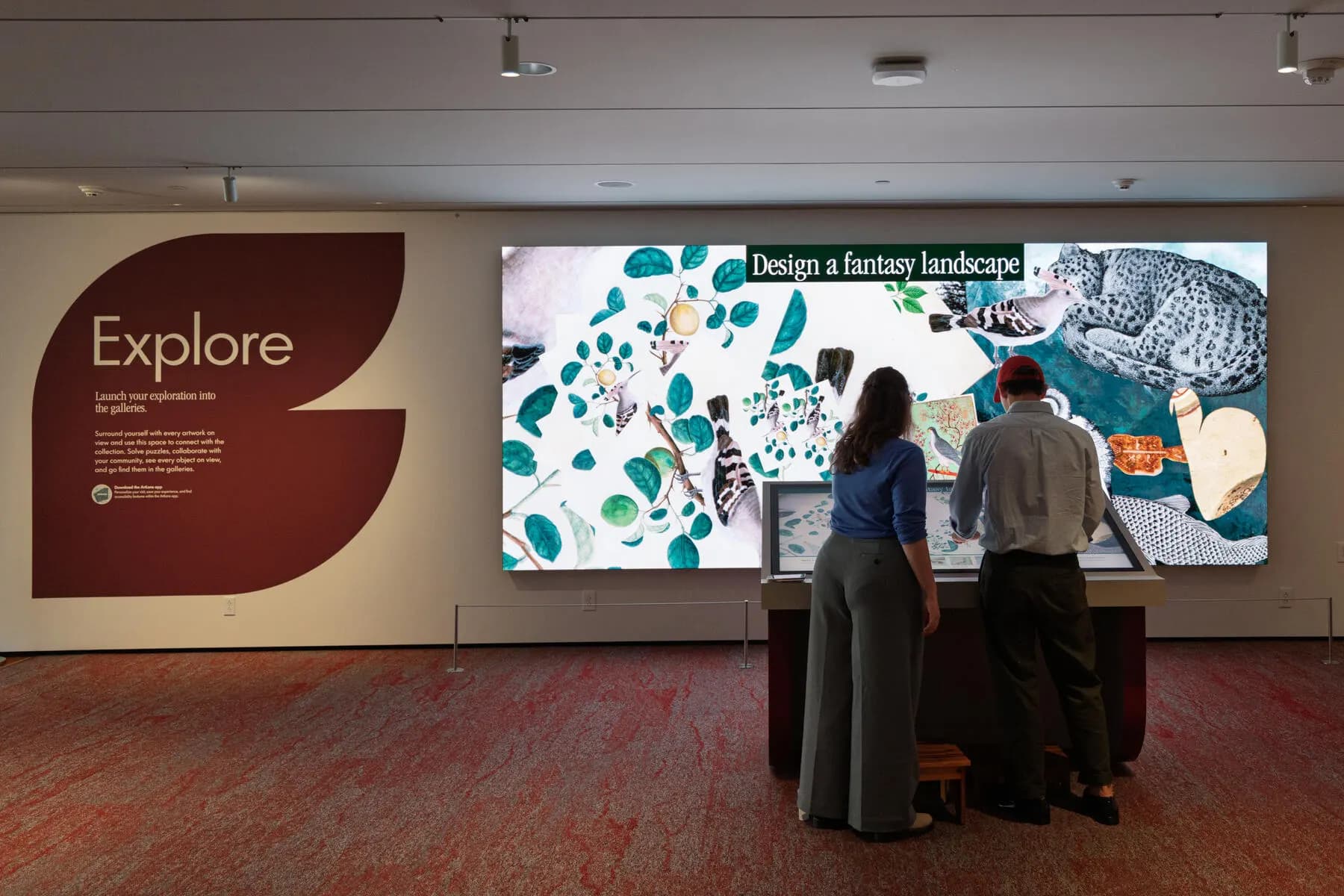
Experience the intersection of art, science, and conservation. Examine how conservation science, ownership history research (provenance), material analysis, original color restoration, and historical context uncover the evolving life stories of artworks, revealing how they were created, experienced, altered, preserved, and understood across time and cultures.
Ask the artwork a question. What do you want to know? This voice-driven interactive invites you to ask questions and receive spoken responses from a physical artwork in a natural, conversational style. You can ask the subject to tell you more about their life, the artist, details in the artwork or even off-topic questions.
How does it work? This interactive uses a combination of cutting-edge language and voice tools to bring artworks to life. OpenAI’s Whisper transcribes spoken words, while a locally run language model (Qwen 3.5) interprets and generates responses. The AI tool Kokoro then turns these responses into speech. Combined, these three tools allow you to have a conversation with the artworks, learn more about the artist, and discover the stories hidden within the artworks themselves.

Explore the sights, sounds, and stories of a historical Cleveland landmark or a quiet Civil War scene by touching 3-D recreations of these paintings. Explore sections of an artwork to hear a visual description of the detail you are pointing at in the painting.
How does it work? This interactive uses a Femto Mega depth camera and RTMPose to track where you are pointing at an artwork. The area pointed a spoken description of that part of the scene, allowing you to learn more about the artwork: the composition, the artistic technique, and the stories being told across the canvas.

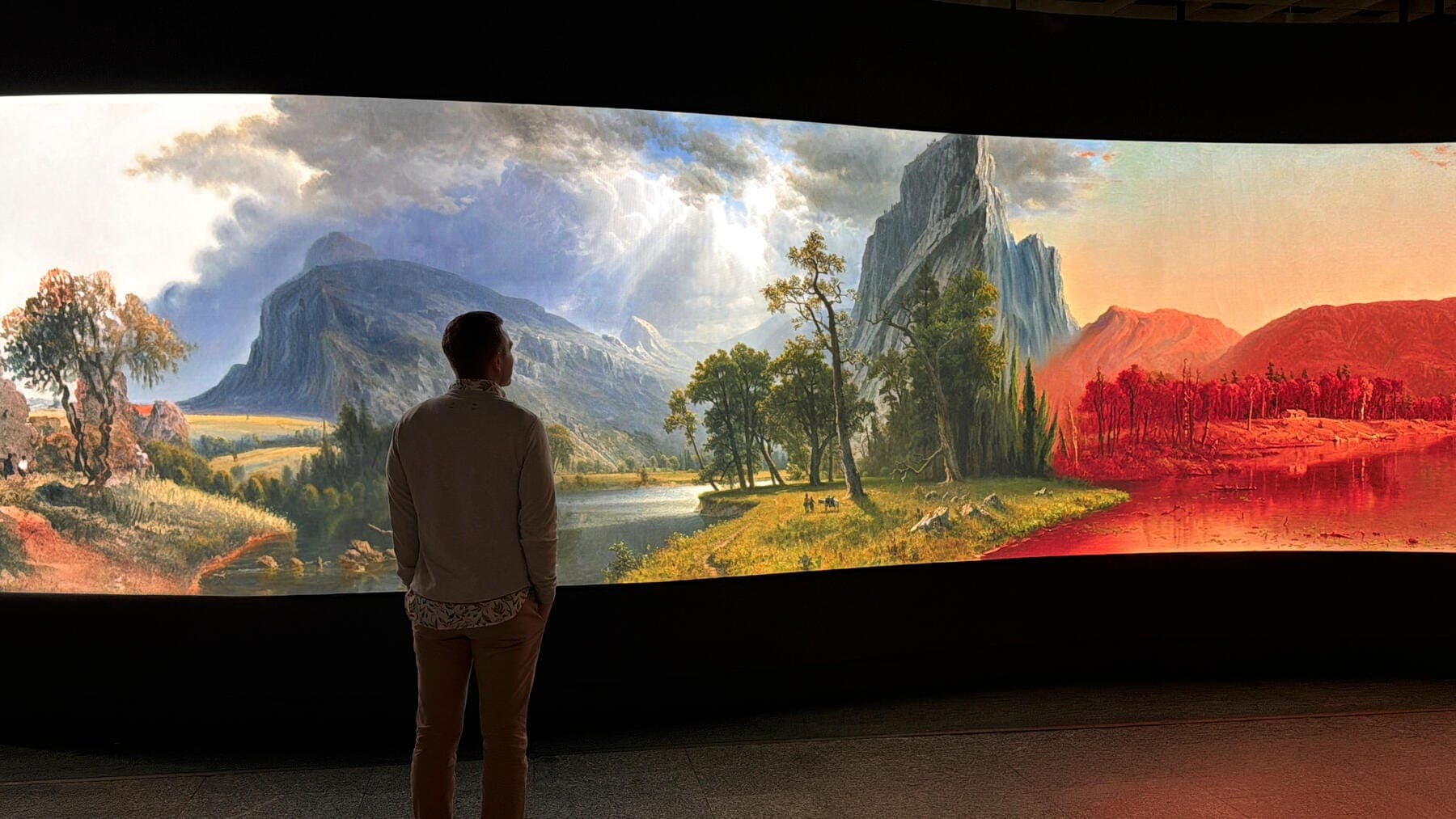
Uncover the colorful past of a work of art. Move your arms to reveal the pigments that once covered the surface of this artwork. Additionally, you can gesture outside the object area to reveal projections of the likely historical context of the object.
How does it work? This interactive uses a Femto Mega depth camera to track where you are pointing. As you gesture toward different parts of the artwork, projection mapping reveals the original colors that once covered its surface, offering a glimpse into how it may have looked centuries ago.

Use the interactive lens to examine an artwork in 3-D as if it was sitting on the table in front of you and discover clues that reveal its past. Explore artwork in detail and reveal hidden stories using an interactive lens. These details provide insight into how the objects were created, authenticated, or restored, highlighting scientific processes.
How does it work? This interactive uses an iPad Air with Apple's ARKit framework to let you explore 3D scanned artworks from the museum’s collection. Move around and get closer than ever to reveal textures, brushstrokes, and hidden details you can’t usually see in the gallery.