Past Programs
Compiled here are a collection of our past programs. Please enjoy these recordings.
Desktop Dialogue
Listen as curators, educators, community leaders, artists, and others offer new ways to look at and understand artworks, special exhibitions, and museum-specific issues.
Craft and Contemporary Art
Wednesday, June 16, 12:00 p.m. (EDT)
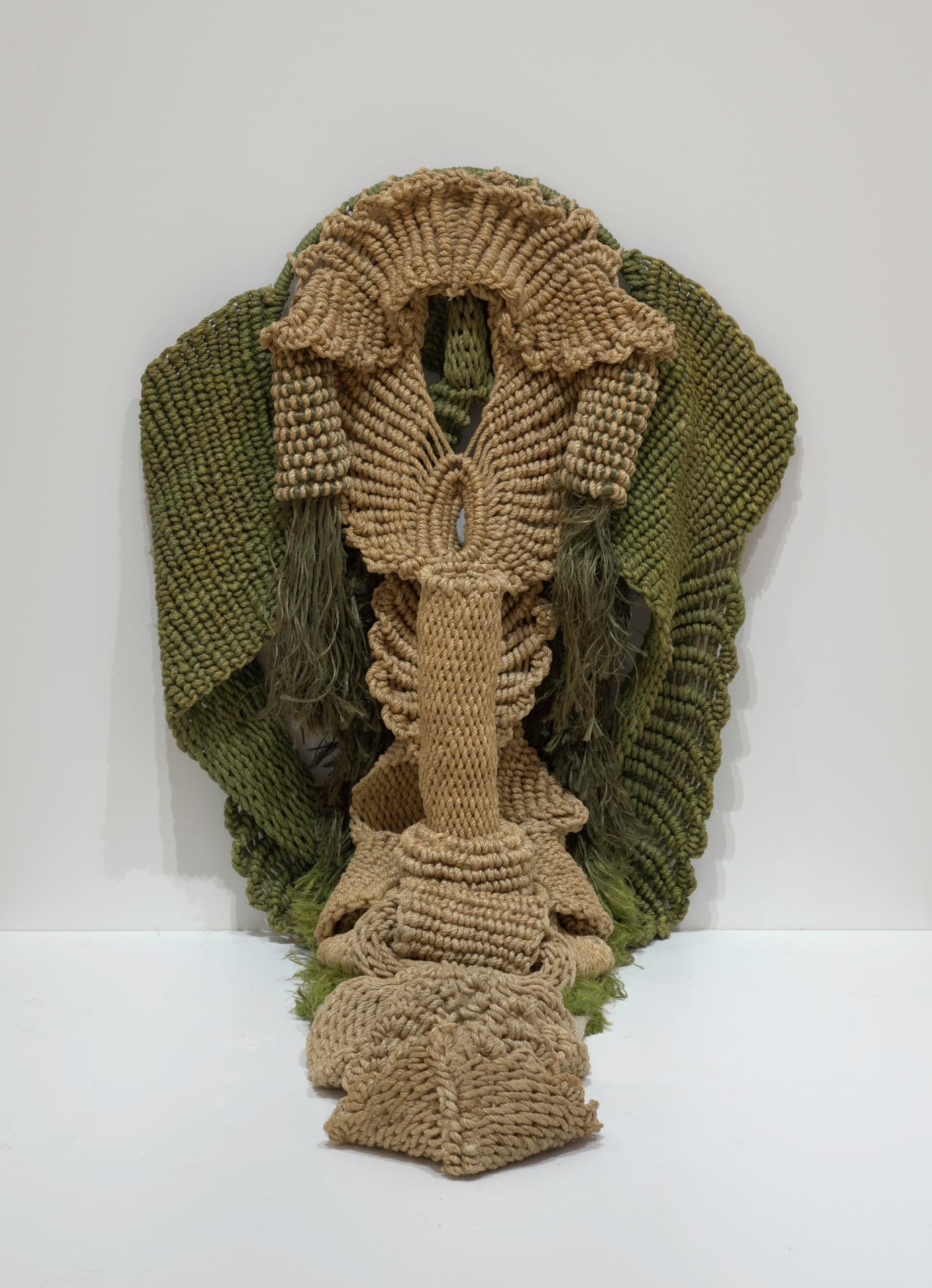
Artists Mrinalini Mukherjee, Robert Morris, and Zilia Sánchez experimented with materials in new ways and, at the same time, referenced divergent traditions and histories of art making.
Join artist Surabhi Ghosh (opens in a new tab) of Concordia University and CMA curator Sonya Rhie Mace as they discuss the work of these artists, the global scope of the CMA’s newly reinstalled contemporary galleries, and the investment in material exploration and craft traditions in contemporary art.
Generations of Queer Art
Wednesday, June 2, 2021, 12:00 p.m. (EDT)
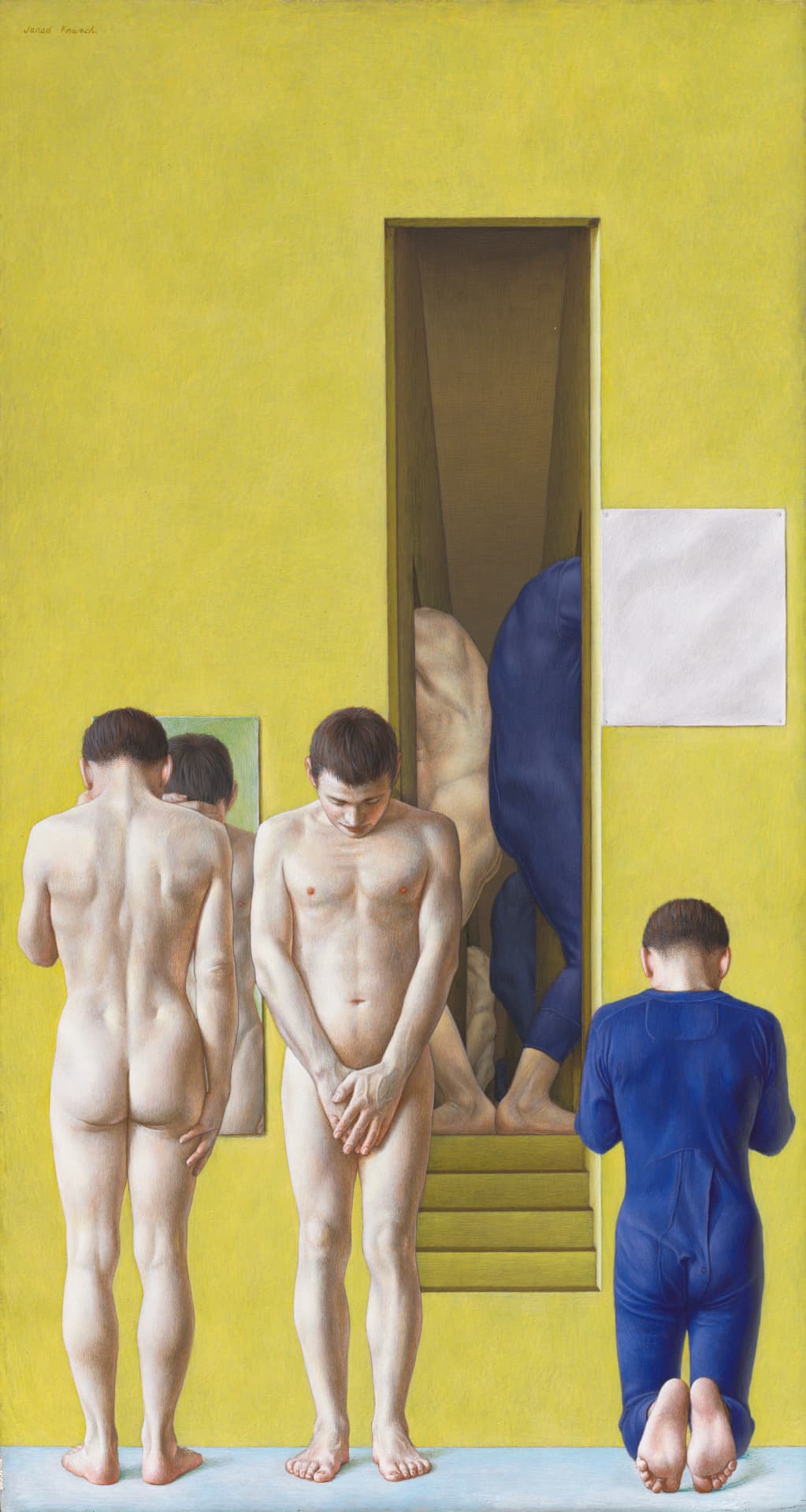
What does it mean for LGBTQ+ youths to see their community represented in the CMA’s permanent collection?
The CMA invited teens from the Queer Youth Initiative (QYou) (opens in a new tab) at the LGBT Community Center of Greater Cleveland (opens in a new tab) to use the new “LGBTQ+ artists after 1900” popular search filter on Collection Online and select a few of their favorite artworks.
Join the QYou teens and Andrew Cappetta as they discuss how these works and the representation of queer artists in the collection resonate with young people in the LGBTQ+ community.
Rethinking Artistic Traditions
Wednesday, May 19, 2021, 12:00 p.m. (EDT)
What value does historical art have for contemporary artists and audiences?
In his realist paintings, Mario Moore (opens in a new tab) shows how traditional artistic practices can be powerful vehicles for exploring timeless themes and the provocative issues of today.
Join Moore in conversation with CMA curator Cory Korkow as they discuss Moore’s work, the relevance of historical paintings, and the exhibition Variations: The Reuse of Models in Paintings by Orazio and Artemisia Gentileschi.
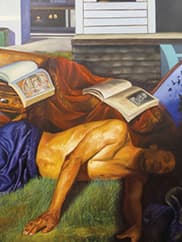
Marcus Garvey Knew, 2012. Mario Moore (American, b. 1987). Oil on canvas; 213.4 x 152.4 cm. © Mario Moore
Desktop Dialogue: An Art Anthology, Chapter Four
Wednesday, May 5, 2021, 12:00 p.m. (EDT)
How many stories can a work of art tell?
The series An Art Anthology accompanies the CMA exhibition Stories from Storage. Developed in collaboration with the creative writing organization Literary Cleveland (opens in a new tab), the series invites four local storytellers to offer artful interpretations of select objects on view in the show.
For the fourth and final chapter, poet Kamden Hilliard (opens in a new tab) presents a new work, developed in dialogue with Kara Walker’s monumental collage-drawing The Republic of New Afrika at a Crossroads. Hilliard and curator Key Jo Lee discuss the histories that Walker’s work unearths and the new understandings Hilliard’s poem reveals.
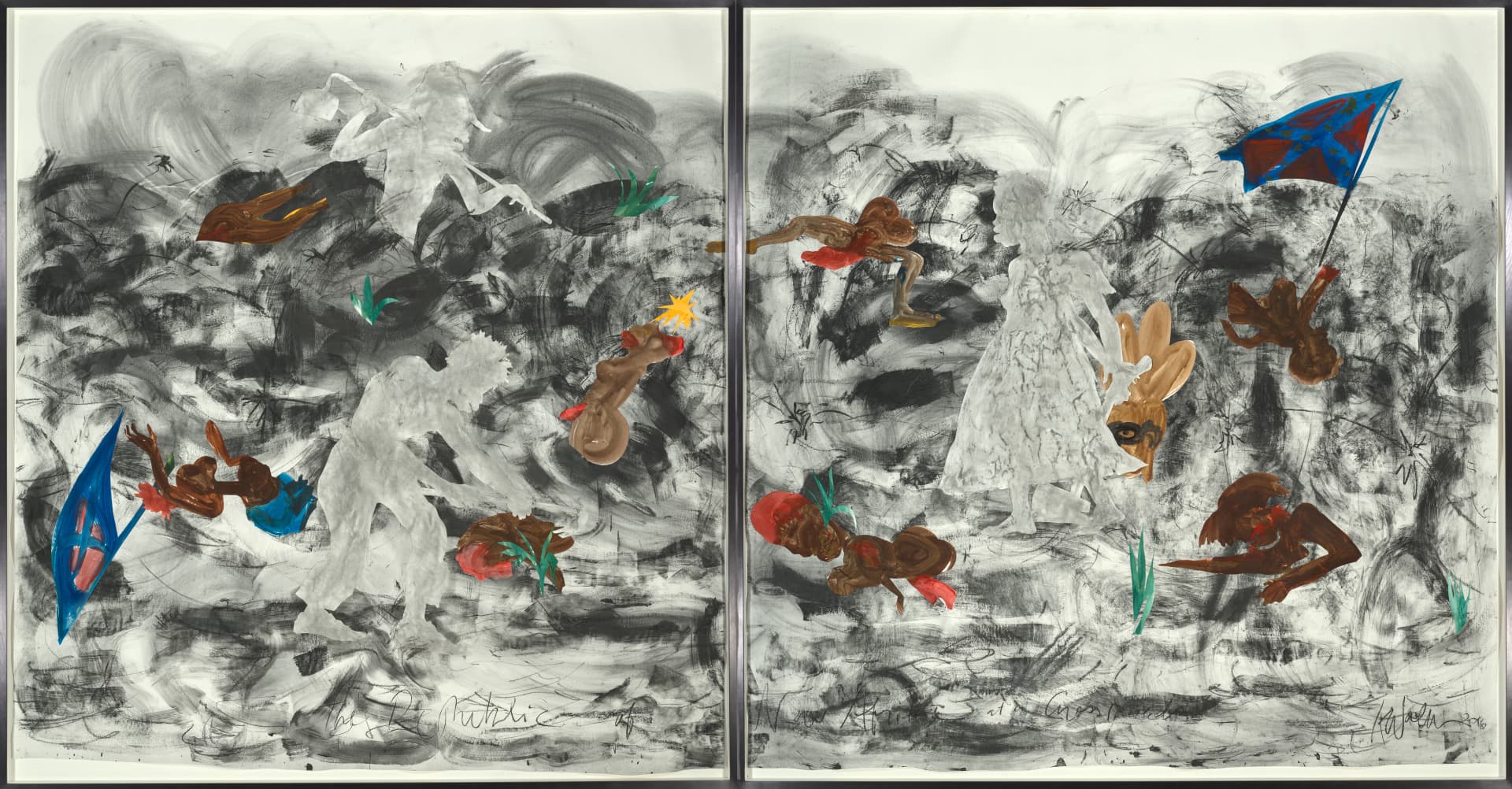
The Republic of New Afrika at a Crossroads (detail), 2016. Kara Walker (American, b. 1969). Raw pigment and watercolor medium, graphite, and (paper) collage on paper; 287 x 532.1 x 8.3 cm. The Cleveland Museum of Art, Purchase from the J. H. Wade Fund, 2016.54.a–b. © Kara Walker
Desktop Dialogue: An Art Anthology, Chapter Three
Wednesday, April 21, 2021, 12:00 p.m. (EDT)
How many stories can a work of art tell?
The series An Art Anthology accompanies the CMA exhibition Stories from Storage. Developed in collaboration with the creative writing organization Literary Cleveland (opens in a new tab), the series invites four local storytellers to offer artful interpretations of select objects on view in the show.
For the third chapter, musical collective Mourning [A] BLKstar (opens in a new tab) presents a meditative soundscape created in collaboration with multimedia artist Jenn Kidd and inspired by Buddhist and Hindu devotional objects Green Tara, Agni, God of Fire, and Bodhisattva Manjushri: Bodhisattva of Wisdom. Band members RA Washington and Theresa May join curator Sonya Rhie Mace to discuss.
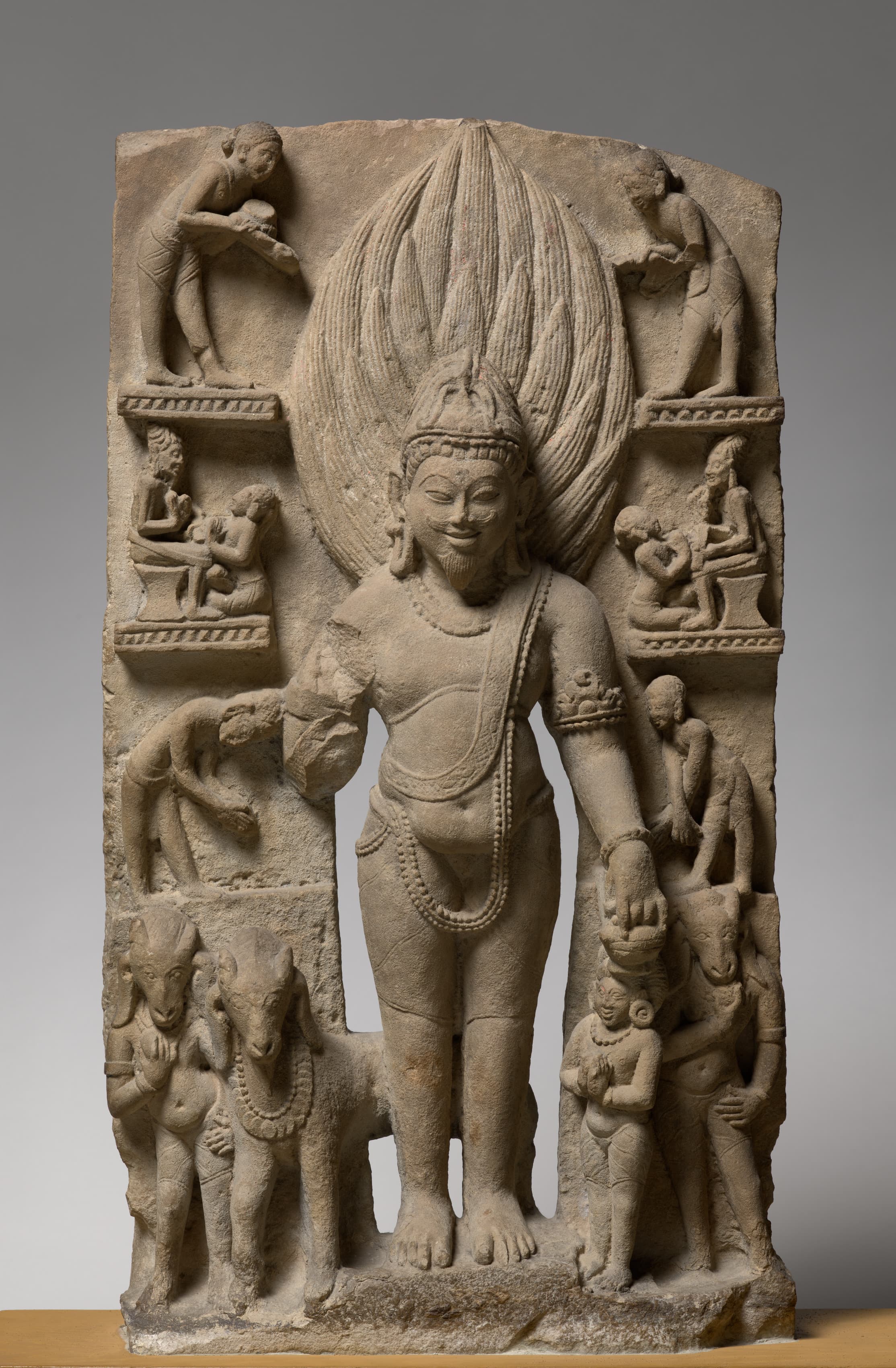
Agni, God of Fire, c. 1000. India, Uttar Pradesh. Sandstone; 73 x 40.6 cm. The Cleveland Museum of Art, Edward L. Whittemore Fund, 1955.51
Desktop Dialogue: An Art Anthology, Chapter Two
Wednesday, April 7, 2021, 12:00 p.m. (EDT)
How many stories can a work of art tell?
The series An Art Anthology accompanies the CMA exhibition Stories from Storage. Developed in collaboration with the creative writing organization Literary Cleveland (opens in a new tab), the series invites four local storytellers to offer artful interpretations of select objects on view in the show.
For the second chapter, food writer and culinary historian Sarah Lohman (opens in a new tab) (Eight Flavors: The Untold Story of American Cuisine) journeys through the food, culture, and landscape of the Navajo Nation, beginning with artist Lenore Tawney’s postcard collage Cañon de Chelly. Lohman draws on curator Emily Peters’s research into Tawney’s practice and on interdisciplinary artist Zefren Anderson (ope... (opens in a new tab)
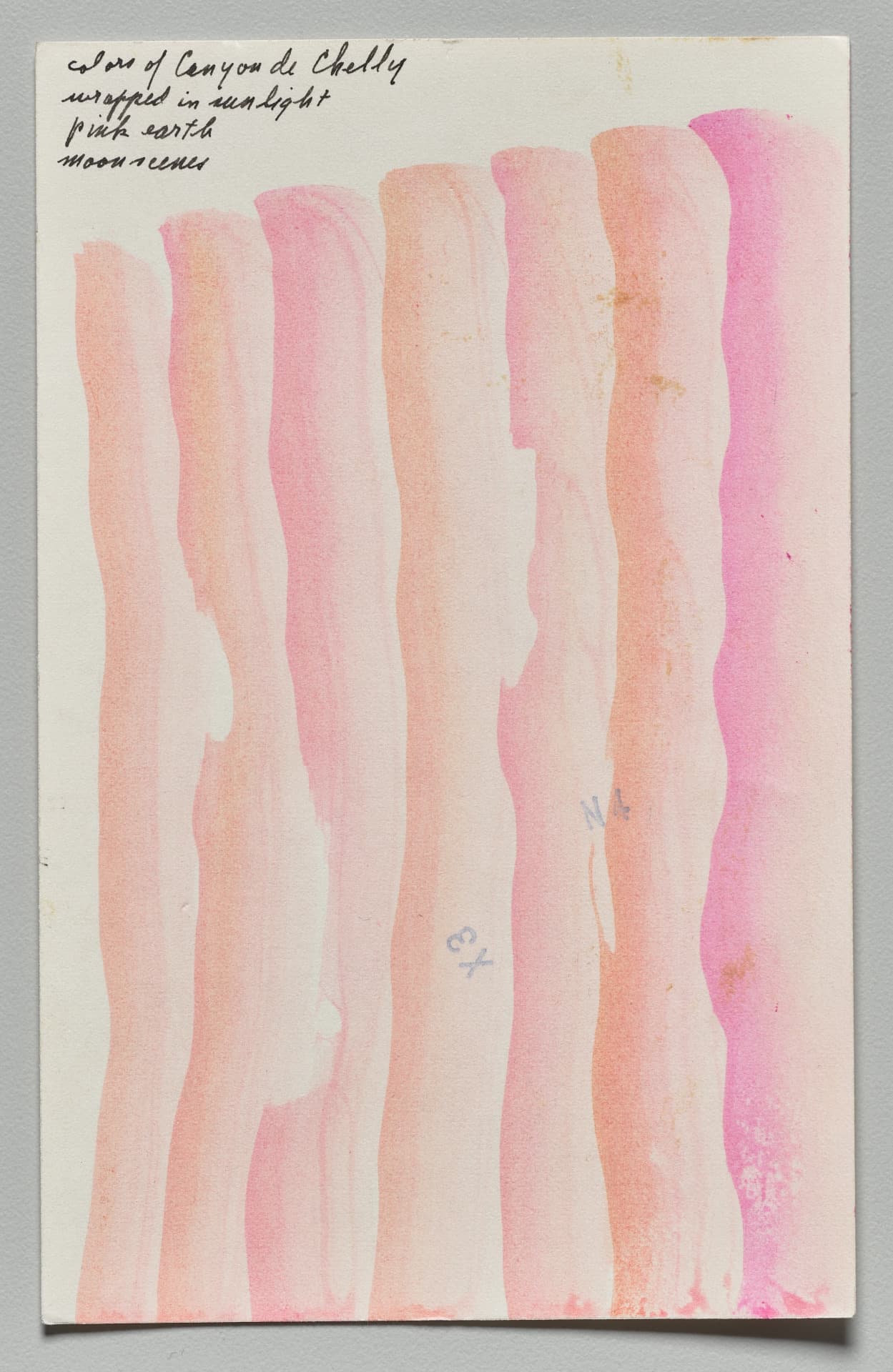
Cañon de Chelly (recto), 1980. Lenore Tawney (American, 1907–2007). Pen and black ink and watercolor and collage; 8.9 x 14 cm. The Cleveland Museum of Art, Gift of Katharine Kuh, 1981.169.a. © Lenore G. Tawney Foundation
Desktop Dialogue: An Art Anthology, Chapter One
Wednesday, March 17, 2021, 12:00 p.m. (EDT)
How many stories can a work of art tell?
The series An Art Anthology accompanies the CMA exhibition Stories from Storage. Developed in collaboration with the creative writing organization Literary Cleveland (opens in a new tab), the series invites four local storytellers to offer artful interpretations of select objects on view in the show.
For the first chapter, playwright Eric Coble (opens in a new tab) (The Velocity of Autumn, Bright Ideas) draws from photographs of popular tourist locales to create the dramatic monologue “That Which Can Be Held.” Watch Coble’s live performance and, afterward, join him and curator Barbara Tannenbaum for a conversation about the fantasy and romance of travel in images and spoken word.
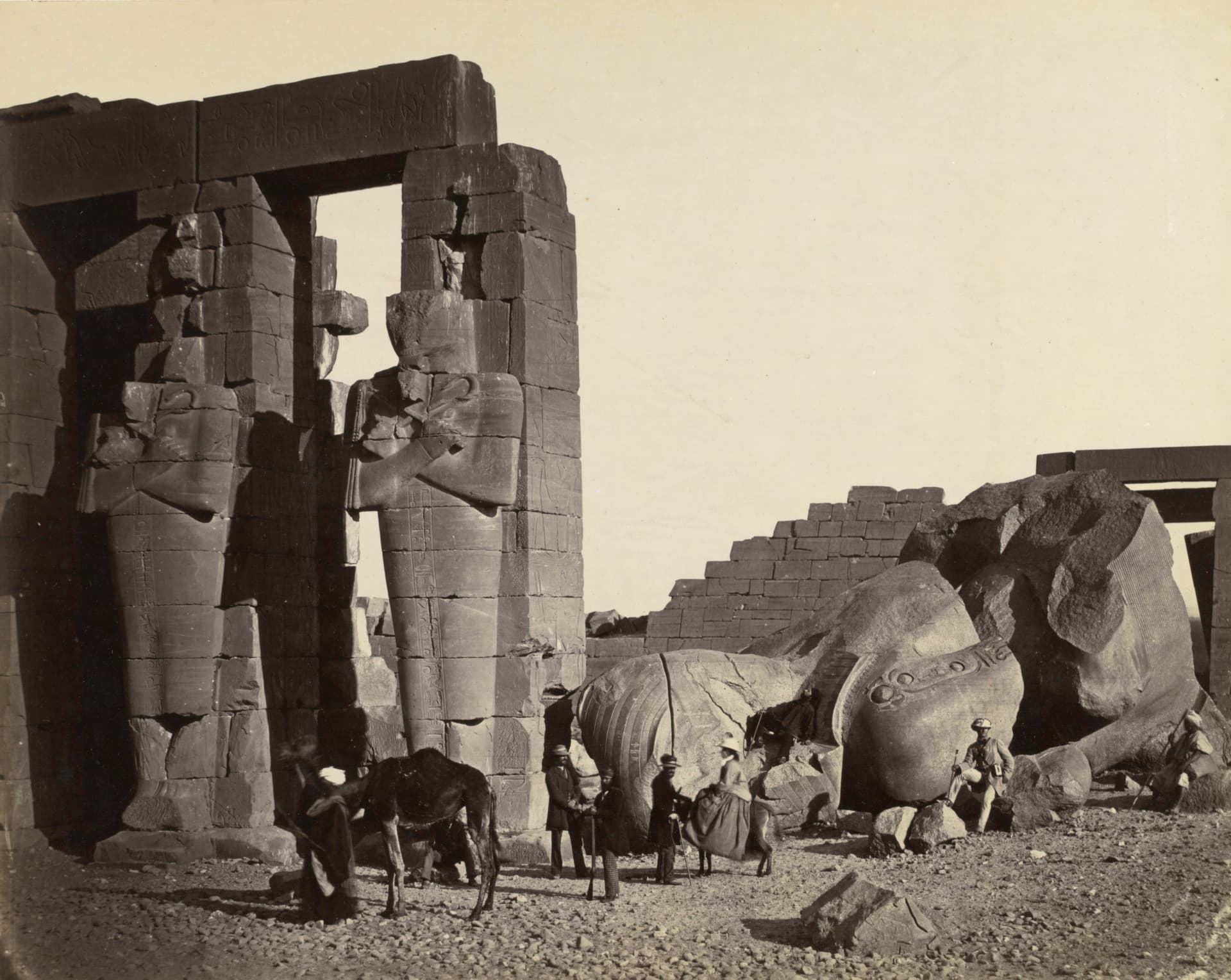
Fallen Statue at the Ramesseum, Thebes (detail), from Egypt, Sinai, and Jerusalem: A Series of Twenty Photographic Views, 1857. Francis Frith (British, 1822–1898). Albumen print from wet collodion negative; 38.3 x 48.2 cm. The Cleveland Museum of Art, Andrew R. and Martha Holden Jennings Fund, 1992.236
Storytelling in Japanese Art
Wednesday, March 3, 2021, 12:00 p.m. (EST)
How do you “read” an image?
Join Andrew Cappetta, curator Sinéad Vilbar, and CMA intern Jeanna Lopez for a close examination of an illustrated handscroll of the family drama The Saltmaker’s Story (Bunshō Zōshi). Vilbar and Lopez reveal the meaning of important narrative details, share their investigative research process, and discuss how mentor-mentee relationships drive innovation in museum scholarship.
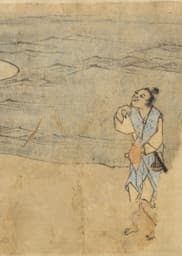
The Saltmaker’s Story (Bunshō Zōshi) (first panel), early 1600s. Japan, Edo period (1615–1868). Handscroll (one of a pair); ink and color on ivory paper; 17.7 x 917.5 cm. The Cleveland Museum of Art, John L. Severance Fund, 1972.12.1
Authenticating Antiquity
Wednesday, February 17, 2021, 12:00 p.m. (EST)
Must an artwork be completely original to have artistic, historical, and educational value?
Curator Seth Pevnick and conservator Colleen Snyder discuss this question, revealing some of the art historical and scientific investigative research involved in selecting, preparing, and determining the age of ancient Greek and Roman objects on display in the Stories from Storage exhibition.

The Politics of Sound
Wednesday, February 3, 2021, 12:00 p.m. (EST)
How has music served as a tool of political change?
Join Andrew Cappetta and Nwaka Onwusa, vice president of curatorial affairs and chief curator at the Rock & Roll Hall of Fame, for a conversation about the power of music and artists who have harnessed word and sound to fight for social justice and racial equality.
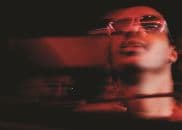
Stevie Wonder, The Forum, Inglewood, CA, 1980. Courtesy of Bruce Talamon
Comfort with the Unknown
Wednesday, January 13, 2021, 12:00 p.m. (EST)
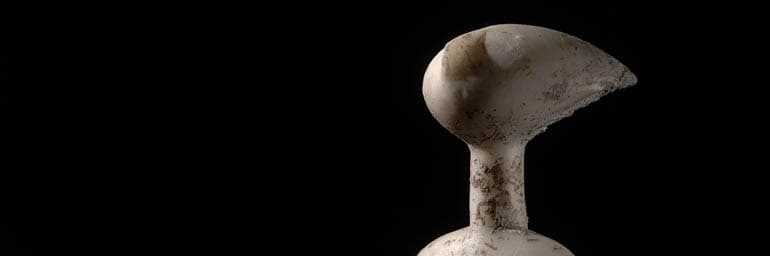
How might close and mindful looking at artwork help us find comfort with the uncertain aspects of our lives today? Join Andrew Cappetta and Gwendolyn Ren (opens in a new tab), a mindfulness and contemplation guide, for an interactive conversation and guided meditation session inspired by the enigmatic Statuette of a Woman, popularly known as “The Stargazer.”
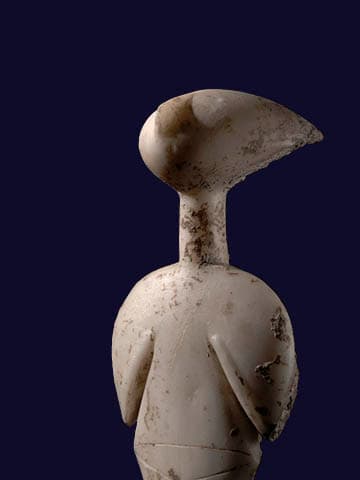
Statuette of a Woman: “The Stargazer”, c. 3000 BC. Early Bronze Age, Western Anatolia? Marble; 17.2 x 6.5 x 6.3 cm. The Cleveland Museum of Art, Leonard C. Hanna Jr. Fund; John L. Severance Fund, 1993.165
Capturing the Spark
Wednesday, December 16, 2020, 12:00 p.m. (EST)
Perhaps the greatest joy of the art historian is the unpredicted spark of inspiration one gets from an artwork when seeing it for the first time. Join Andrew Cappetta and Key Jo Lee as they share two newly collected works by Harry Bertoia and Mickalene Thomas and discuss the connections the objects have inspired.
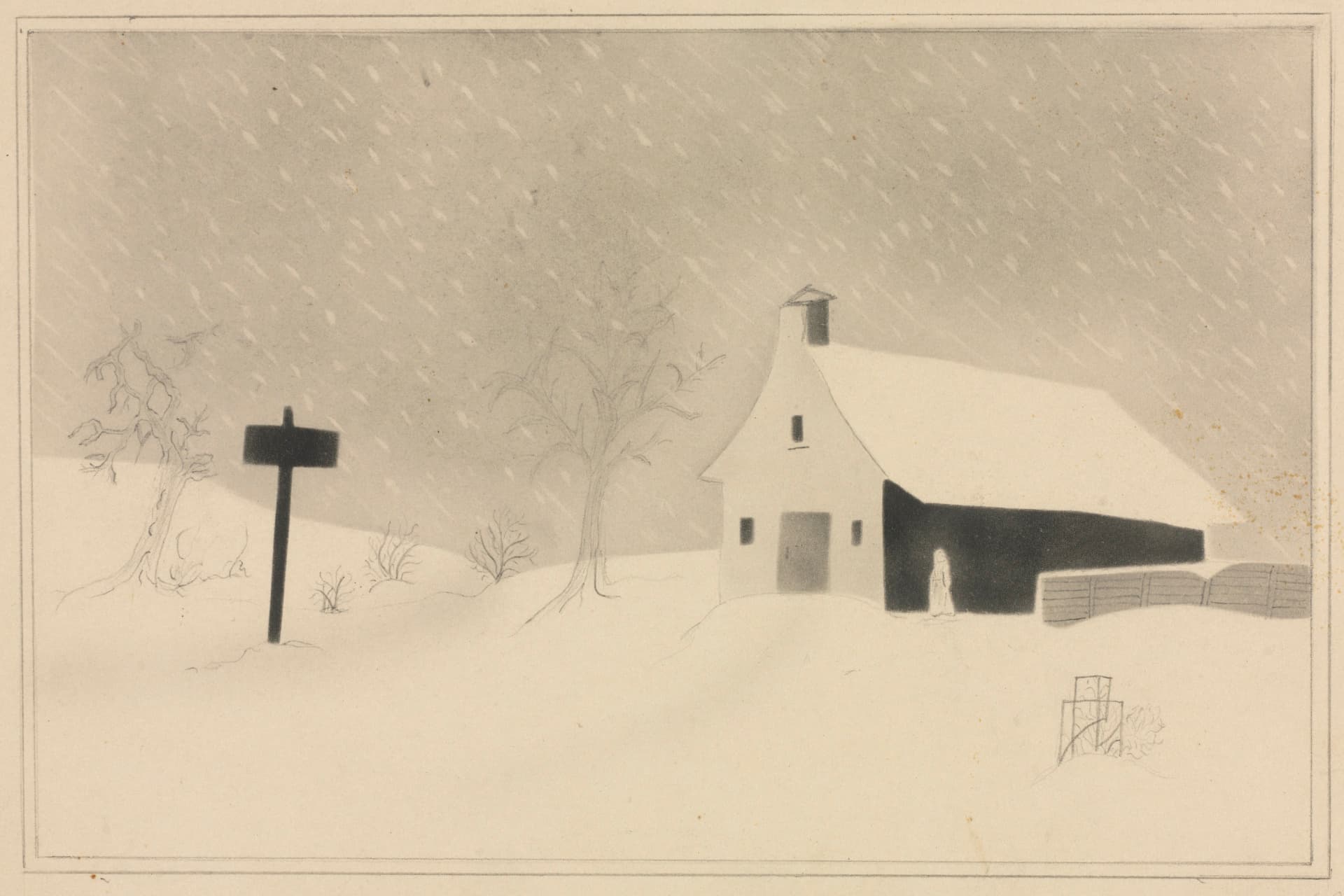
Snow Storm in Vermont. Mary Altha Nims (American, 1817–1907). Pencil. The Cleveland Museum of Art, Gift of Richard Seymour Bayham, 1934.124
Making and Meaning in Mola Textiles
Wednesday, November 18, 2020, 12:00 p.m. (EST)
How do materials and fabrication processes convey meaning in a work of art or design?
Join CMA research fellow Andrea Vazquez de Arthur and museum guide Leonardo Pérez Carreño from the Museo de la Mola (opens in a new tab) in Panamá City, Panamá, for a conversation about making and meaning in molas, a key component of traditional dress among indigenous Guna women and the subject of the upcoming exhibition Fashioning Identity: Mola Textiles of Panamá.
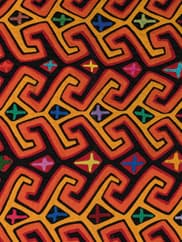
Hook Mola Panel (Ake Mor), mid-1900s. Ankela Rivera (Guna, Agligandi community, active mid-1900s). Cotton; reverse appliqué, appliqué; 35.5 x 53.5 cm. Denison University, Denison Museum, Gift of Dr. Clyde Keeler, 1972.357. © Denison Museum, Denison University
Healing through Abstraction
Wednesday, November 4, 2020, 12:00 p.m. (EST)
Can the expressive possibilities of abstract art help one heal from trauma?
Join Andrew Cappetta and visual artist Hernease Davis (opens in a new tab) for a conversation on Davis’s abstract photo-based images, installations, and weavings, which she describes as surfaces for “expression, meditation, anger, rest” and “quiet spaces of self-care.” Together they also discuss the work of artists that have inspired Davis’s own move from representation to abstraction, including Sam Gilliam, Mark Rothko, and Lorna Simpson. Davis’s #14: A Womb of My Own (Mistakes Were Made in Development) is currently on view at Transformer Station in the exhibition ONE: Unique Photo-Based Images.

Portrait photo of Hernease Davis by Eugene Foster for the series I Am Black: Translations
Documenting Communities
Wednesday, October 21, 2020, 12:00 p.m.
In conjunction with the upcoming exhibition Bruce Davidson: Brooklyn Gang, join curator Barbara Tannenbaum and photographer Vincent Cianni (opens in a new tab) as they explore the roles and responsibilities of the documentary photographer. In his projects We Skate Hardcore, Gays in the Military, and the Newburgh Community Photo Project (opens in a new tab), Cianni has explored issues of community, memory, and social justice.

Jump, South First Street, Williamsburg, Brooklyn, 1995. Vincent Cianni (American, b. 1952). Gelatin silver print; paper: 27.9 x 35.6 cm
Navigating Gender and Breaking Barriers
Wednesday, October 7, 2020, 12:00 p.m.
What impact do gender constructs have on artists and art history? Is there greater gender equity in today’s art world?
New York–based artist Maria Yoon (opens in a new tab) and curator Sooa McCormick explore the pressing issue of gender inequality, past and present, through their experience as Korean women and discuss how notions of gender play a role in their artistic and curatorial practices. Yoon’s documentary, Maria the Korean Bride (opens in a new tab) (2013), uncovers the ways communities across the United States view marriage. McCormick’s current exhibition, Gold Needles: Embroidery Arts from Korea, frames Korean embroidery works as tools for promoting women’s own cultural identities.

Images of Leadership
Wednesday, September 16, 2020, 12:00–12:45 p.m.
How do images of leaders from the ancient world influence our understanding of what leadership can look like today?
Join Andrew Cappetta and curator Seth Pevnick as they discuss ancient Greek and Roman representations of leadership through both ancient and modern lenses. How have surviving images of ancient leaders conditioned our present understanding of them? And how have interpretations of these ancient images helped shape historical images of American authority, allowing certain archetypes of leadership to persist?
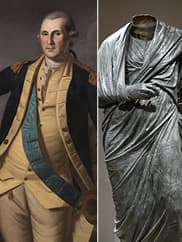
George Washington at the Battle of Princeton, c. 1779. Charles Willson Peale (American, 1741–1827) and Workshop. Oil on canvas; 131 x 121.6 cm. Membership Income Fund, 1917.946
The Emperor as Philosopher, probably Marcus Aurelius (reigned AD 161–180), c. AD 180–200. Turkey, Bubon(?) (in Lycia), Roman. Bronze, hollow cast in several pieces and joined; 193 cm. Leonard C. Hanna Jr. Fund, 1986.5
This Is What Democracy Looks Like
Wednesday, September 2, 2020, 12:00 p.m.
What images represent democracy to you?
Join Erika Anthony, the co-founder of Cleveland VOTES and the executive director of the Ohio Transformation Fund, to discuss how artists have represented the democratic process in the United States—from voting to protest—and how art plays a role in shaping civic participation and inciting political change.
Erika L. Anthony is the executive director of Ohio Transformation Fund (OTF), a collaborative fund developed by national and local funders advocating for healthy communities and an equitable democracy across Ohio. Prior to OTF, she served as the vice president of government relations and strategy for Cleveland Neighborhood Progress. Anthony has also co-founded Cleveland VOTES and Hack Cleveland.
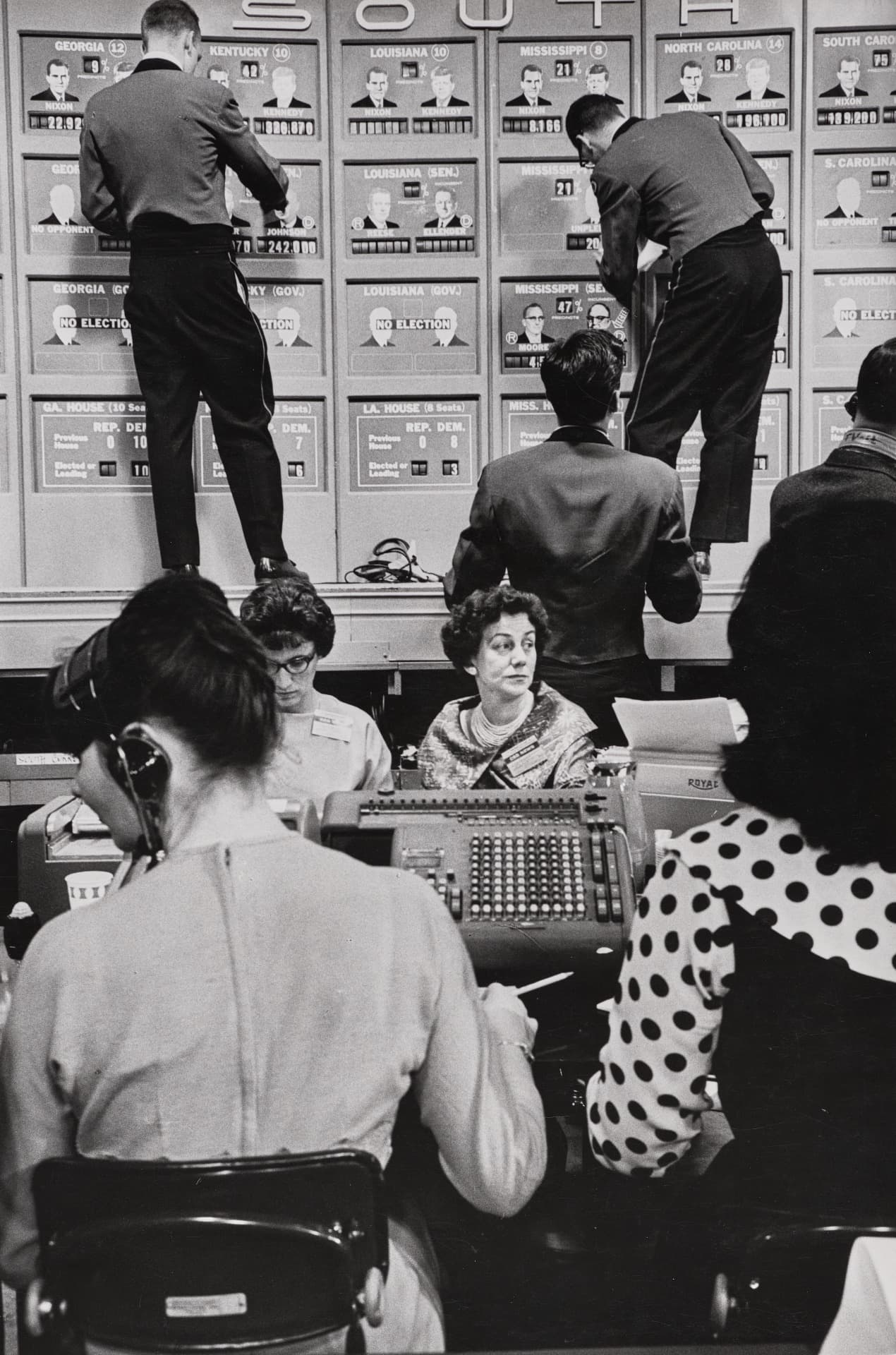
A close-up view of the CBS Center where the results of the election at 4 o’clock in the morning continue to register on the walls of the room, 1962. Frank Horvat (Italian, b. 1928). Gelatin silver print; 24.8 x 16.5 cm. Gift of George Stephanopoulos, 2018.519. © Frank Horvat
Care and Curatorial Practice: A Conversation with La Tanya Autry
Wednesday, August 19, 2020, 12:00 p.m.
How do you define the word “care” and how does it relate to curatorial practice?
Scholar, curator, and cultural organizer La Tanya Autry discusses her innovative approach to creating exhibitions that focus on collective community care, including recent projects Temporary Spaces of Joy and Freedom (moCa Cleveland, 2020), Let Us March On: Lee Friedlander and the Prayer Pilgrimage for Freedom (Yale University Art Gallery, 2017), and The Art of Black Dissent (various sites, 2016–).

Installation view: Temporary Spaces of Joy and Freedom. moCa Cleveland, 2020. Photo: Field Studio.
Re-visioning Art and History
Wednesday, August 5, 2020, 12:00 p.m.
At this moment, engaged citizens across the world are questioning the systems, structures, and values that museums are built upon. Join Andrew Cappetta and Key Jo Lee to discuss how these much-needed critiques will inform CMA programs like Desktop Dialogues and Close Looking at a Distance, explore objects that reshape what we know about art and museums including Fred Wilson’s To Die upon a Kiss, and learn the value of adopting multiple perspectives to understand works of art.

To Die Upon a Kiss, 2011. Fred Wilson (American, b. 1954). Murano glass; 177.8 x 174 x 174 cm. The Severance and Greta Millikin Purchase Fund, 2012.115. © Fred Wilson
Recovering Lost Histories of Pride
Wednesday, June 24, 2020, 12:00 p.m.
Honor the origins of Pride Month and its connections to the Black Lives Matter movement. Join writer-educator Naazneen Diwan from the LGBT Community Center of Greater Cleveland and curator Nadiah Rivera Fellah to discuss the importance of BIPOC (black, indigenous, and people of color) queer and trans activists and artists to movements for LGBTQ+ rights. This is a live event, and questions from the audience are encouraged.

Image: The Trans Queer PoC New Pride Flag. Concept artist: Julia Feliz. Graphic designer: Hayley Brown
Healing and Heritage
Wednesday, May 27, 2020, 12:00 p.m.
Join curator Kristen Windmuller-Luna and artist-educator Orlando Caraballo to discuss how artists and makers have turned to cultural objects and practices for healing.
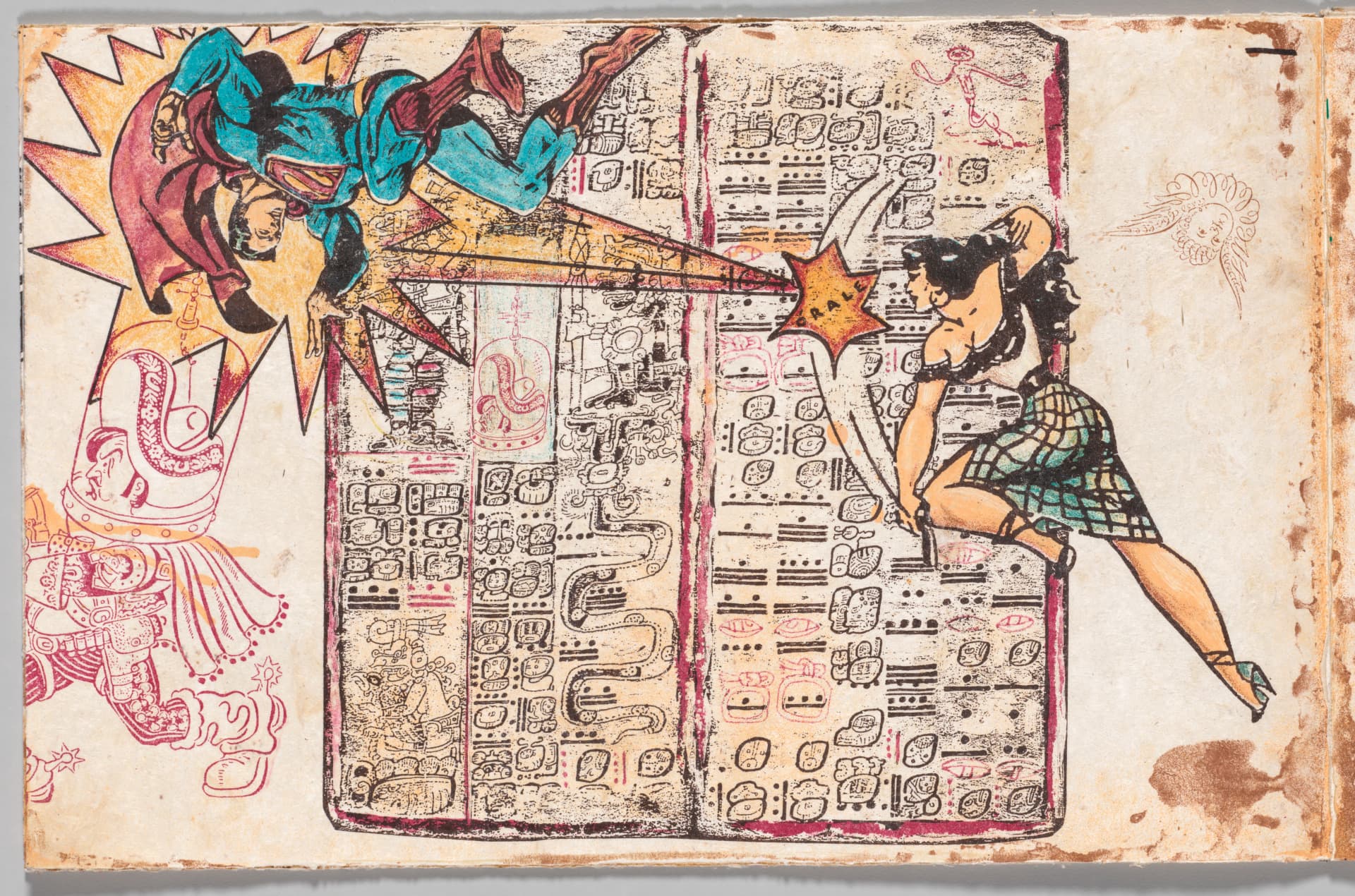
The Adventures of the Modernist Cannibals (Les Aventures des Cannibales Modernistes) (detail), 1999. Enrique Chagoya (American, b. 1953). Published and printed by Shark’s Ink. Accordion-folded book with eight lithograph and woodcut with chine collé panels; Each page: 19 x 29.3 cm; overall: 19.2 x 235.1 cm. Dudley P. Allen Fund, 2018.17. © Enrique Chagoya
Restore and Reflect
Wednesday, May 20, 2020, 12:00 p.m.
Are you feeling overwhelmed? Join curator Sonya Rhie Mace and meditation instructor Jennifer Bochik as they look closely at examples of Buddhist art and demonstrate how traditional mindfulness practices can help us manage the challenges we are facing today.
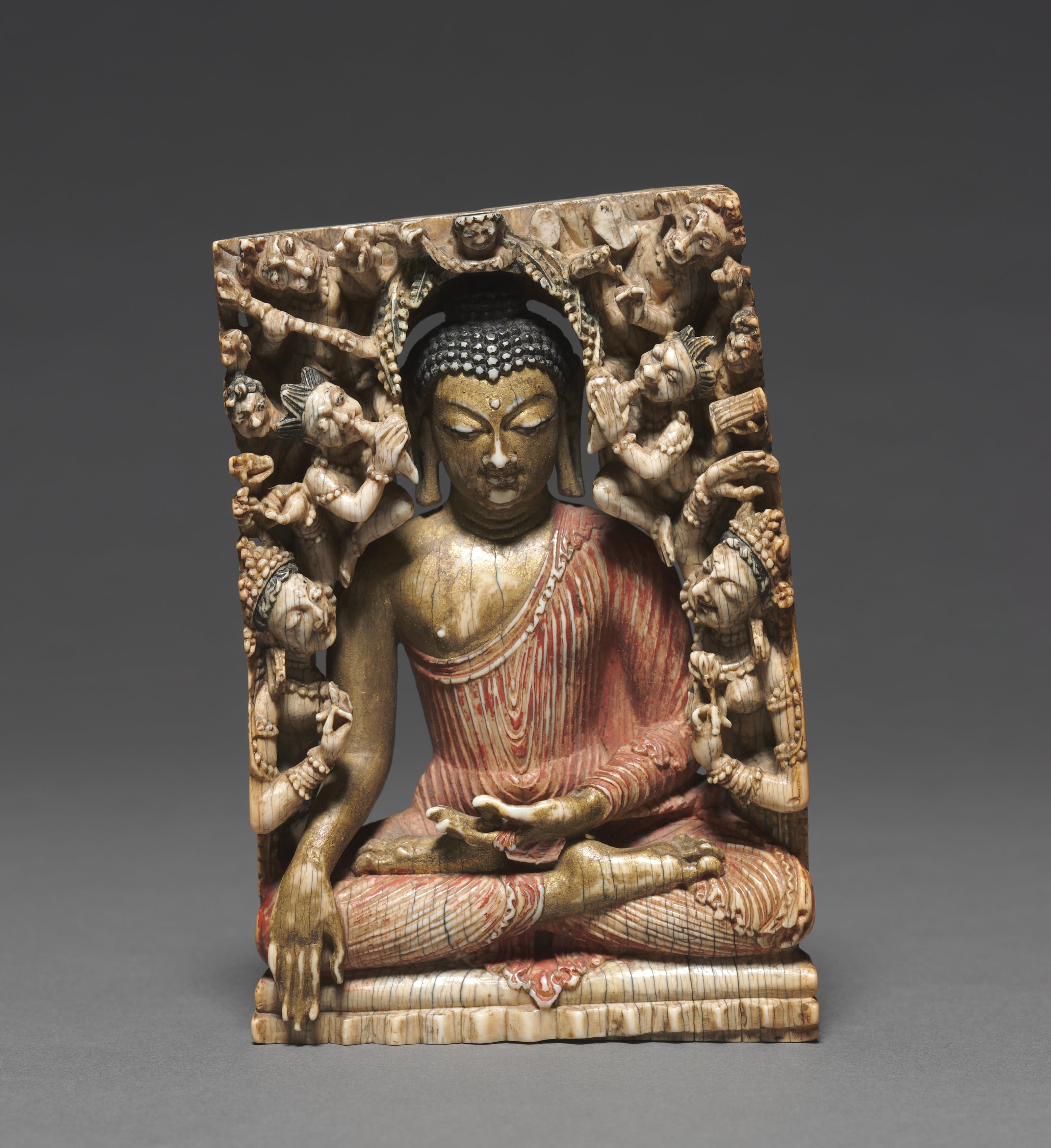
Temptation of Buddha by the Evil Forces of Mara (detail), 700s. Northern India, Kashmir, 8th century. Ivory with gold and polychrome; 13 x 8.9 cm. Purchase from the J. H. Wade Fund, 1971.18
The Comforts of Home
Wednesday, May 13, 2020, 12:00 p.m.
What objects around your home bring you comfort? Curator Stephen Harrison and educator-scholar Key Jo Lee discuss Emma Amos’s Sandy and Her Husband and decorative art from the museum’s collection, reflecting on the ways works of art and design make the home a place of tranquility.
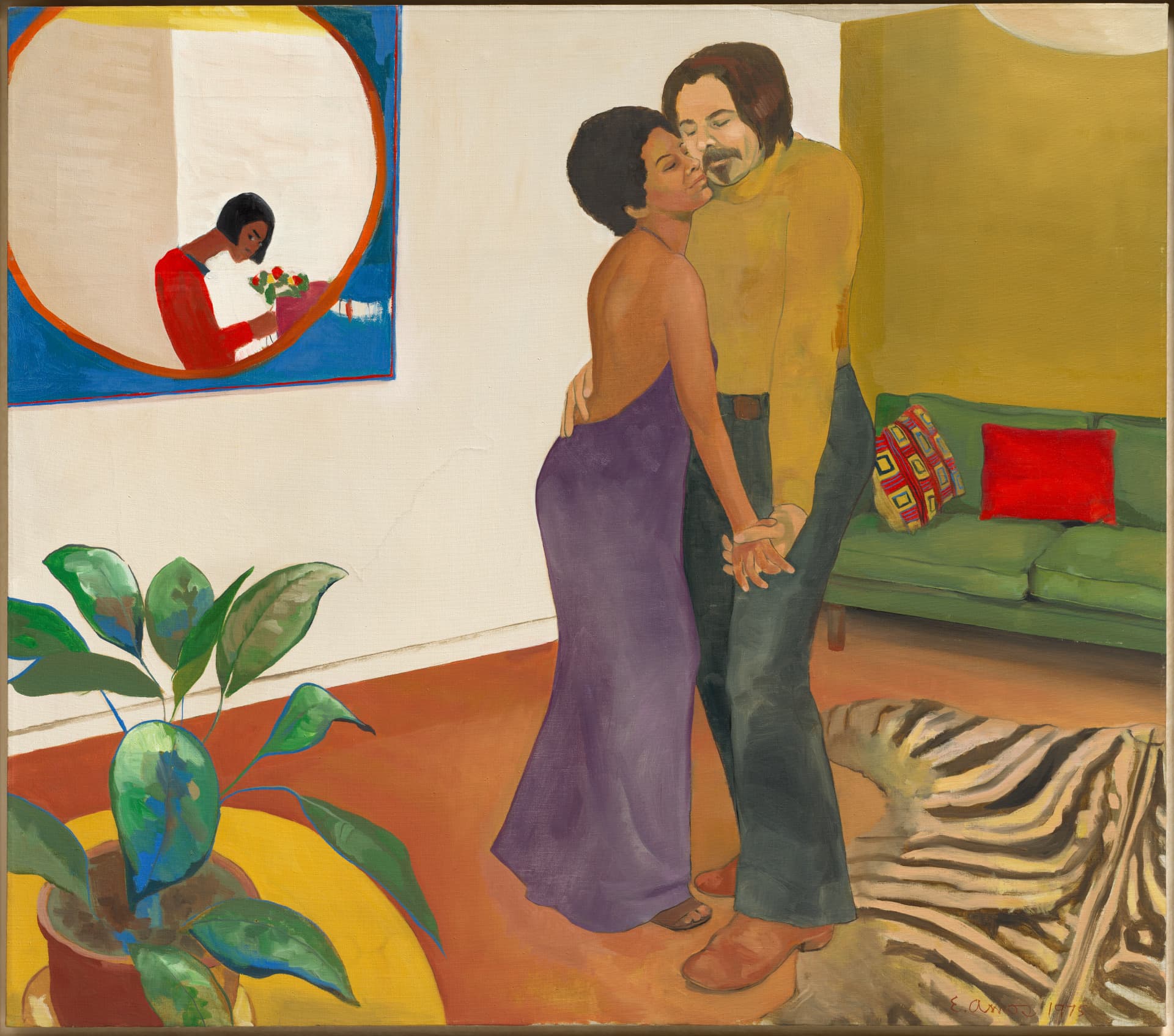
Sandy and Her Husband, 1973. Emma Amos (American, 1937–2020). Oil on canvas; 112.4 x 127.6 cm. John L. Severance Fund, 2018.24. © Emma Amos / Licensed by VAGA at Artists Rights Society (ARS), NY
Resourcefulness
Wednesday, May 6, 2020, 12:00 p.m.
Have you found yourself developing hacks and work-arounds to put dinner on the table or celebrate a holiday? Join curator Nadiah Rivera Fellah and artist-educator Robin Heinrich to discuss how limitations helped artists Sanford Biggers, Louisa Joiner, and Robert Rauschenberg become resourceful and arrive at new creative solutions.
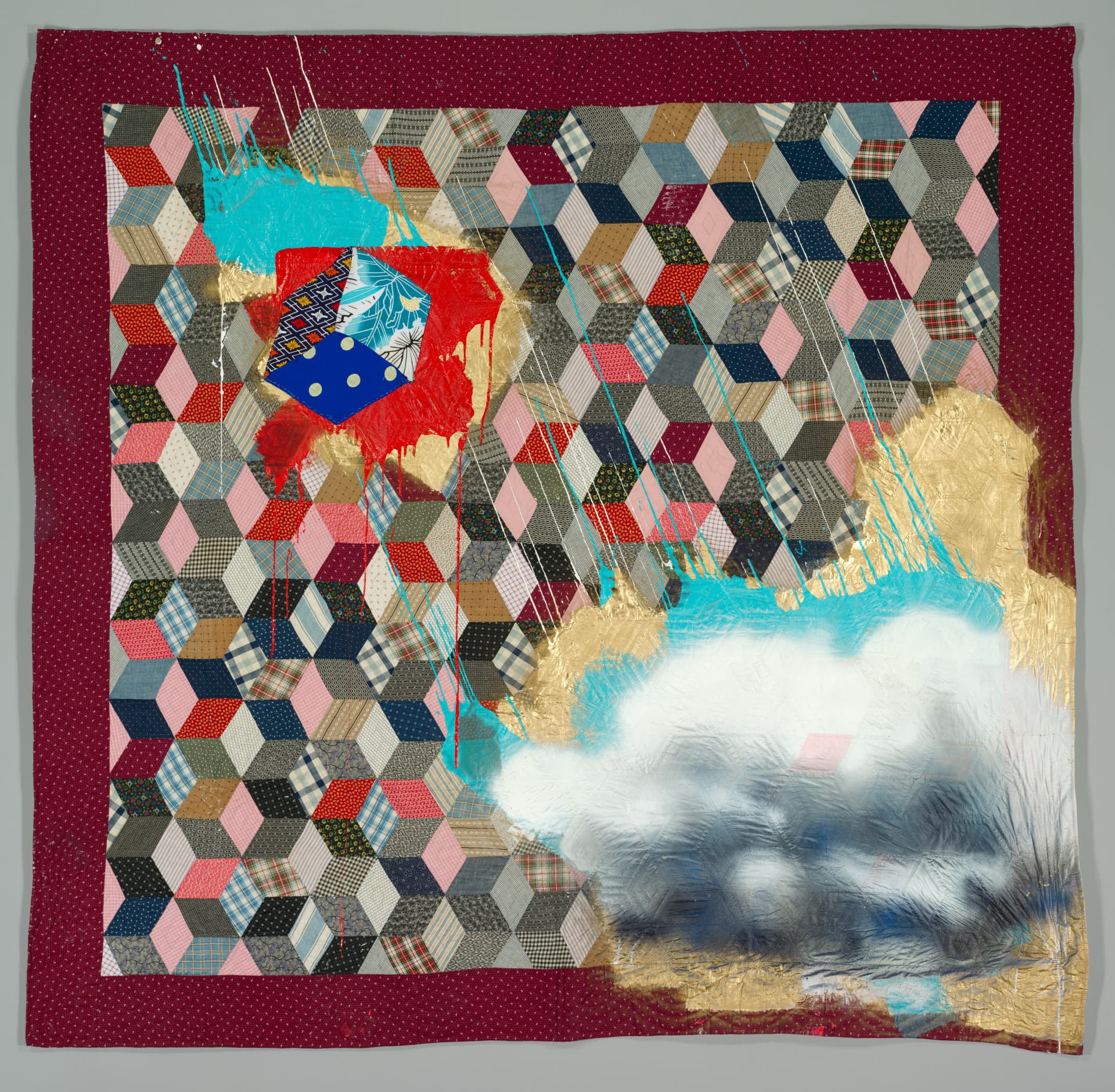
Cumulo, 2014. Sanford Biggers (American, b. 1970). Spray paint, interior paint, fabric treated acrylic paint; 182.8 x 189.2 cm. Gift of Agnes Gund, 2015.82. © Sanford Biggers
Communicating across Distances
Wednesday, April 29, 2020, 12:00 p.m.
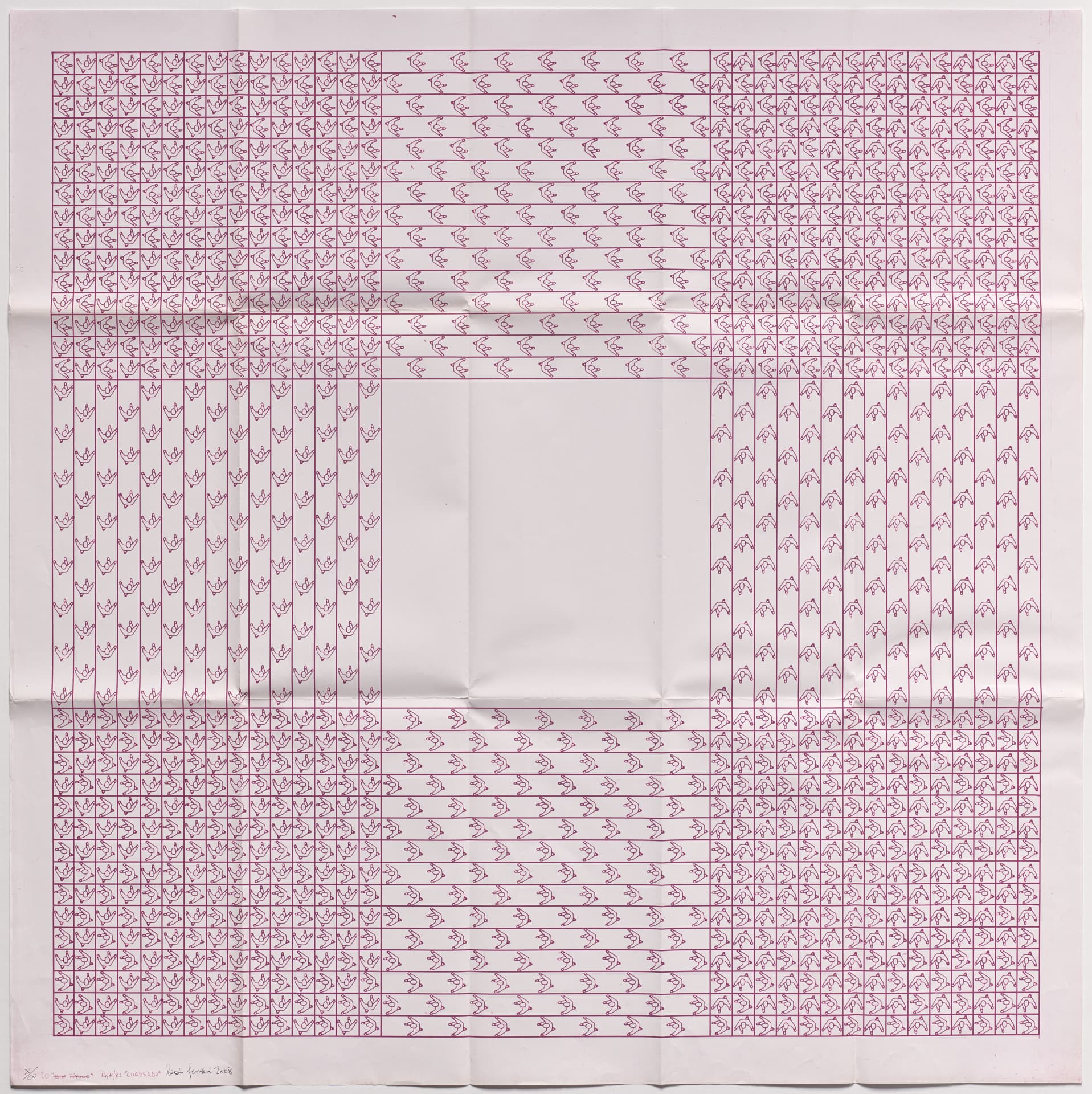
Join curator Britany Salsbury and educator Arielle Levine for a discussion around the exhibition A Graphic Revolution and how artists José Guadalupe Posada and León Ferrari used printmaking to communicate ideas and messages across great distances.
.jpg&w=3840&q=75)
Heliographs: Square (detail), 1982 (signed 2008). León Ferrari (Argentinian, 1920–2013). Diazotype; 90.3 x 90.5 cm. Gift of the Leon Ferrari Foundation, 2019.197. © León Ferrari
This program has been made possible in part by the National Endowment for the Humanities: Exploring the human endeavor.

All education programs at the Cleveland Museum of Art are underwritten by the CMA Fund for Education. Major annual support is provided by Brenda and Marshall Brown, Mr. and Mrs. Walter E. Fortney, Florence Kahane Goodman, Eva and Rudolf Linnebach, and the Kelvin and Eleanor Smith Foundation. Generous annual support is provided by an anonymous supporter, the M. E. and F. J. Callahan Foundation, Char and Chuck Fowler, the Giant Eagle Foundation, the Lloyd D. Hunter Memorial Fund, Marta Jack and the late Donald M. Jack Jr., Bill and Joyce Litzler, the Logsdon Family Fund for Education, William J. and Katherine T. O'Neill, Mandi Rickelman, Betty T. and David M. Schneider, the Sally and Larry Sears Fund for Education Endowment, Roy Smith, Paula and Eugene Stevens, the Trilling Family Foundation, and the Womens Council of the Cleveland Museum of Art.