Every other week a new creative challenge tasks participants with using one piece of household material to reimagine a selected artwork from the CMA’s collection. The assigned materials will be surprising, flexible, and widely accessible!

Creations can be shared using #CMACreate (opens in a new tab) for a chance to be reposted to the CMA’s Instagram (opens in a new tab) stories.

Masking Tape

Use only tape to re-create Martin Puryear’s Alien Huddle or any other artwork in the CMA’s collection. Check out the alternate views on the CMA’s Collection Online to explore its surprising shape from all angles!
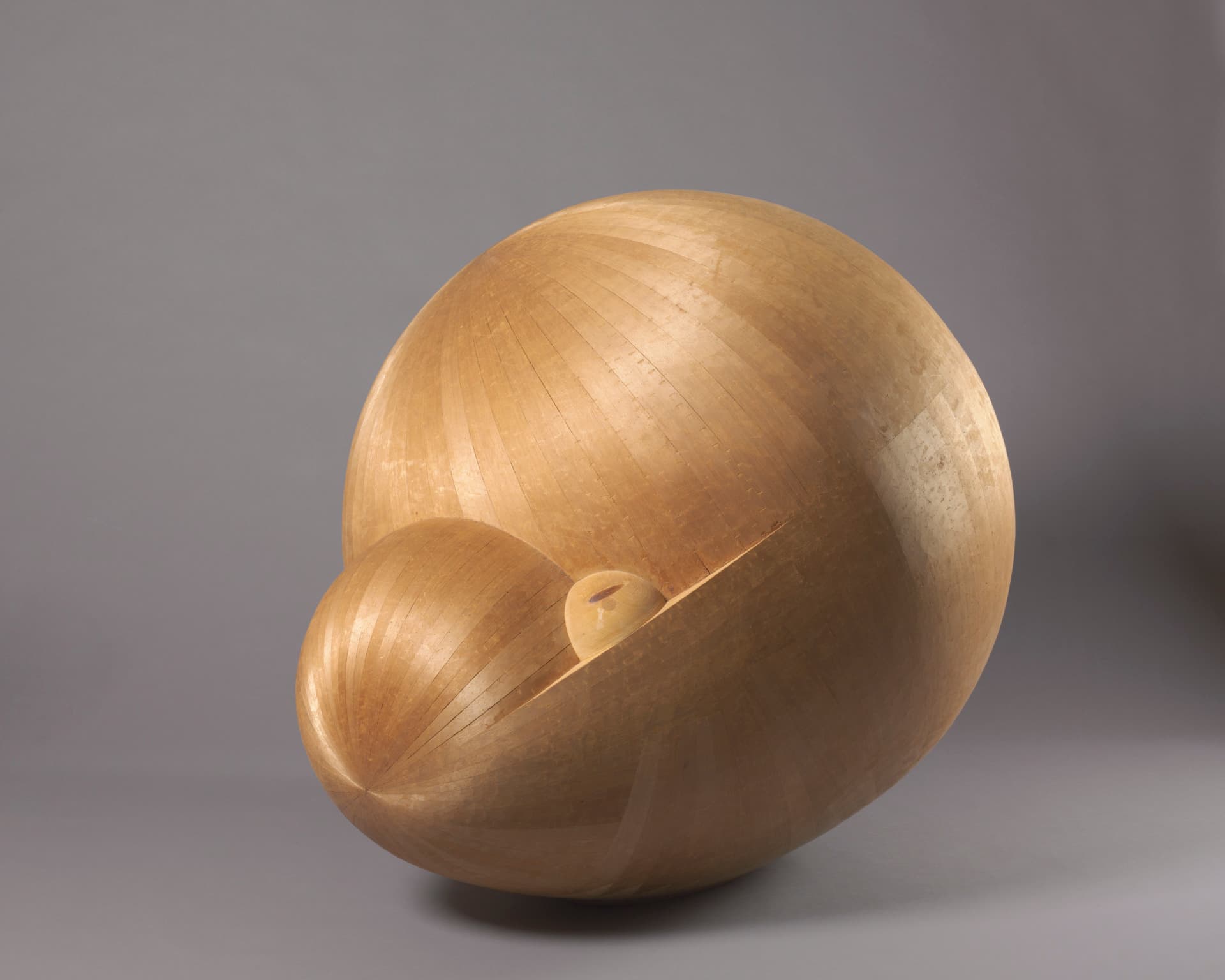
Three blond wood spheres, made up of thin smooth panels, join together. At the largest sphere's low edge, almost touching the ground, half of another smaller sphere is attached. Nestled between the two is a very small third sphere.

Coins

Pablo Picasso’s still life Bottle, Glass, Fork, depicts a corked bottle, a wineglass, a folded newspaper, a knife, and a fork on a table. Can you find them all? Next, re-create this painting using only loose change!
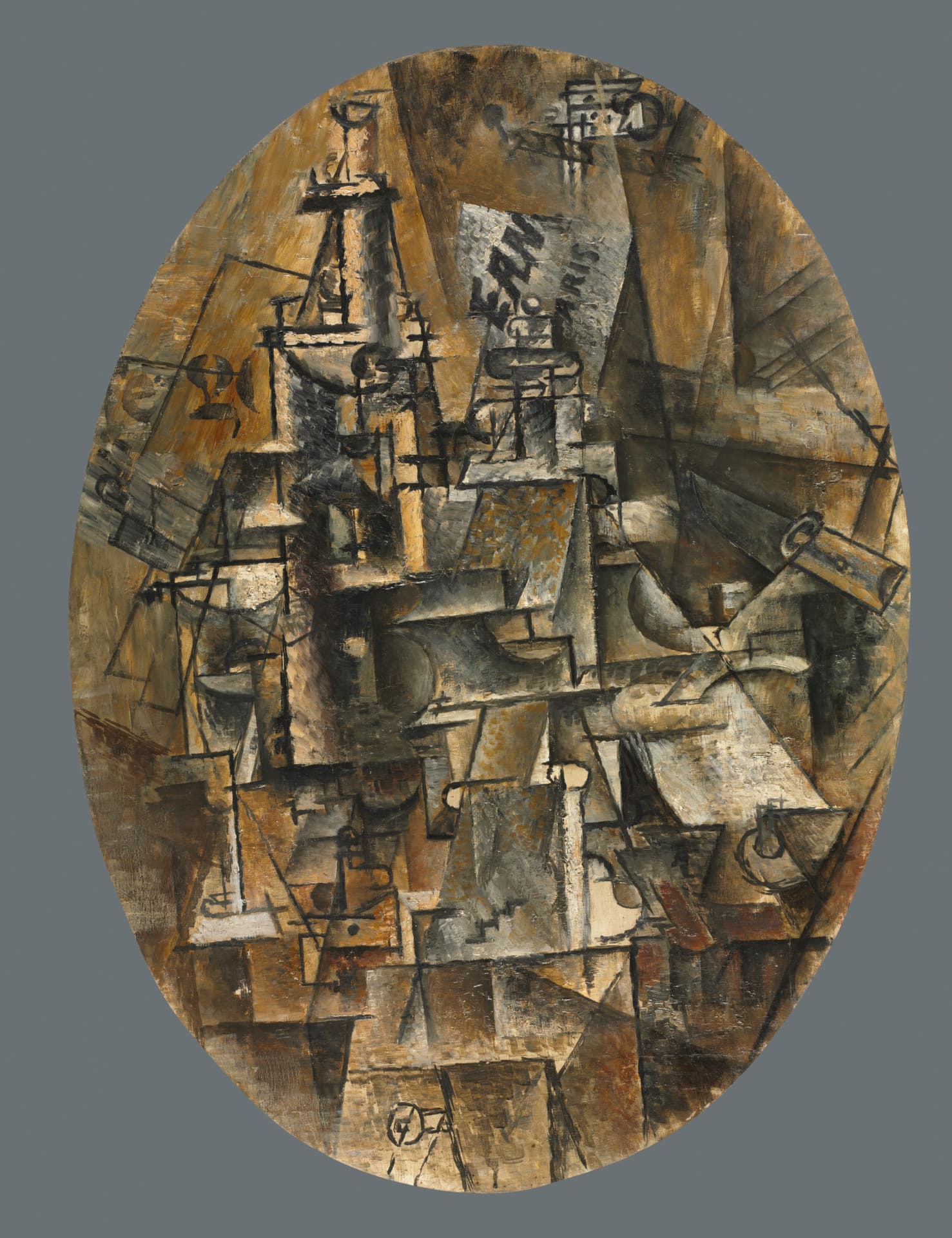
An abstract oval oil painting in shades of brown, gray, and white is intercepted by black lines to create an angular, fractured image. Abstracted beyond recognition, the fragments hint at a stemmed glass, bottle, and fork. The bottle neck extends into the upper edge of the painting, with fewer fractured shapes against a gold-brown background. What may be the edge of a folded newspaper protrudes to the left with fragments of words, "EAN" and "ARIS."

Baking Flour

Arm of Eve, by Albrecht Dürer, is a preparatory drawing for life-size panels of Adam and Eve in the Museo del Prado, Madrid. Now it’s your turn to re-create any artwork in the CMA’s collection using only baking flour!
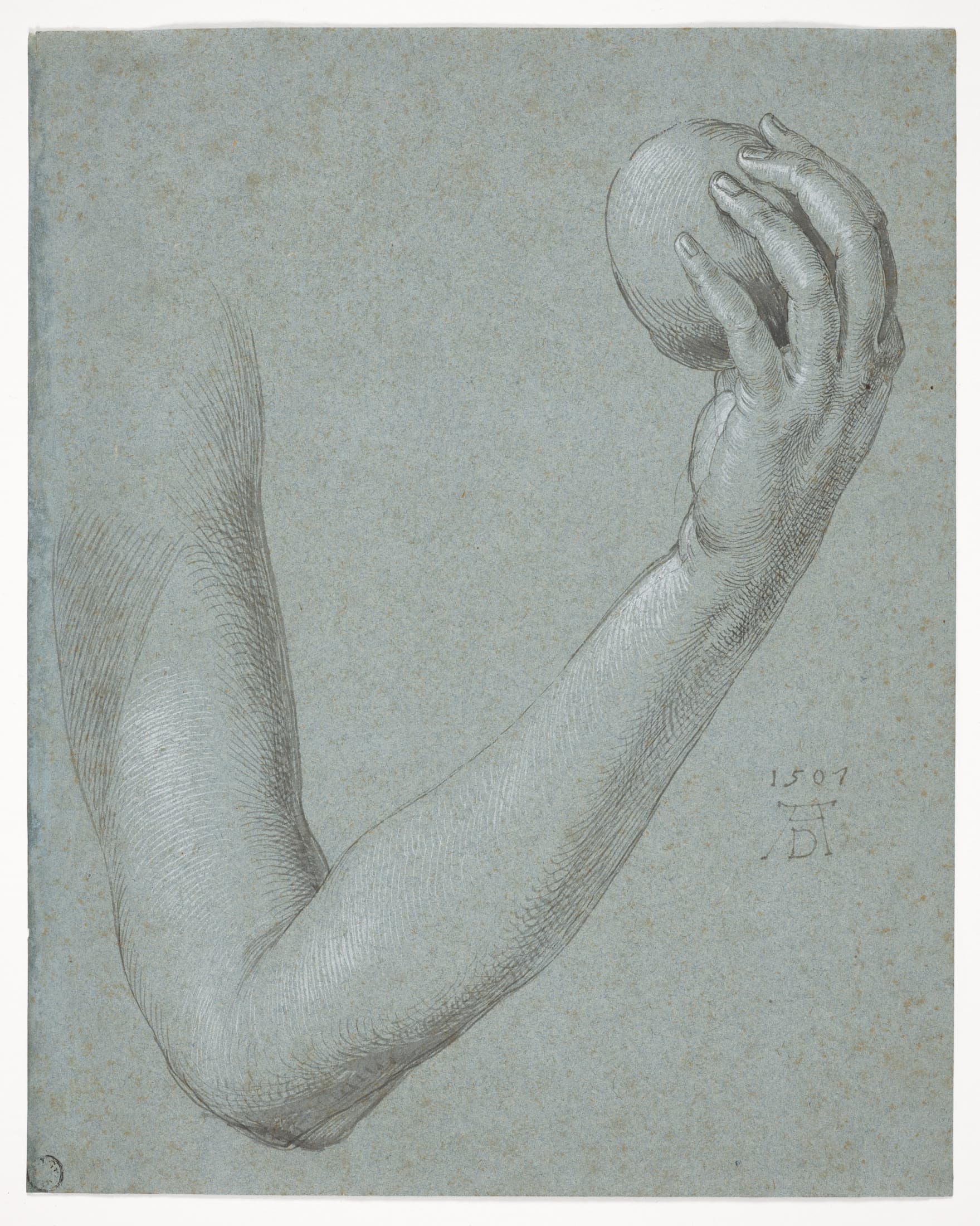
A vertically oriented drawing with gray tones of an arm, bent at the elbow, holds up a spherical object.

Salt and Pepper

Pass the salt! Re-create Thomas Moran’s Smelting Works at Denver or any other artwork in the CMA’s collection using only salt and pepper. Did you know smelting is the extraction of metal from heated rock? Smelting transformed Denver into an industrial hub in the late 1800s.
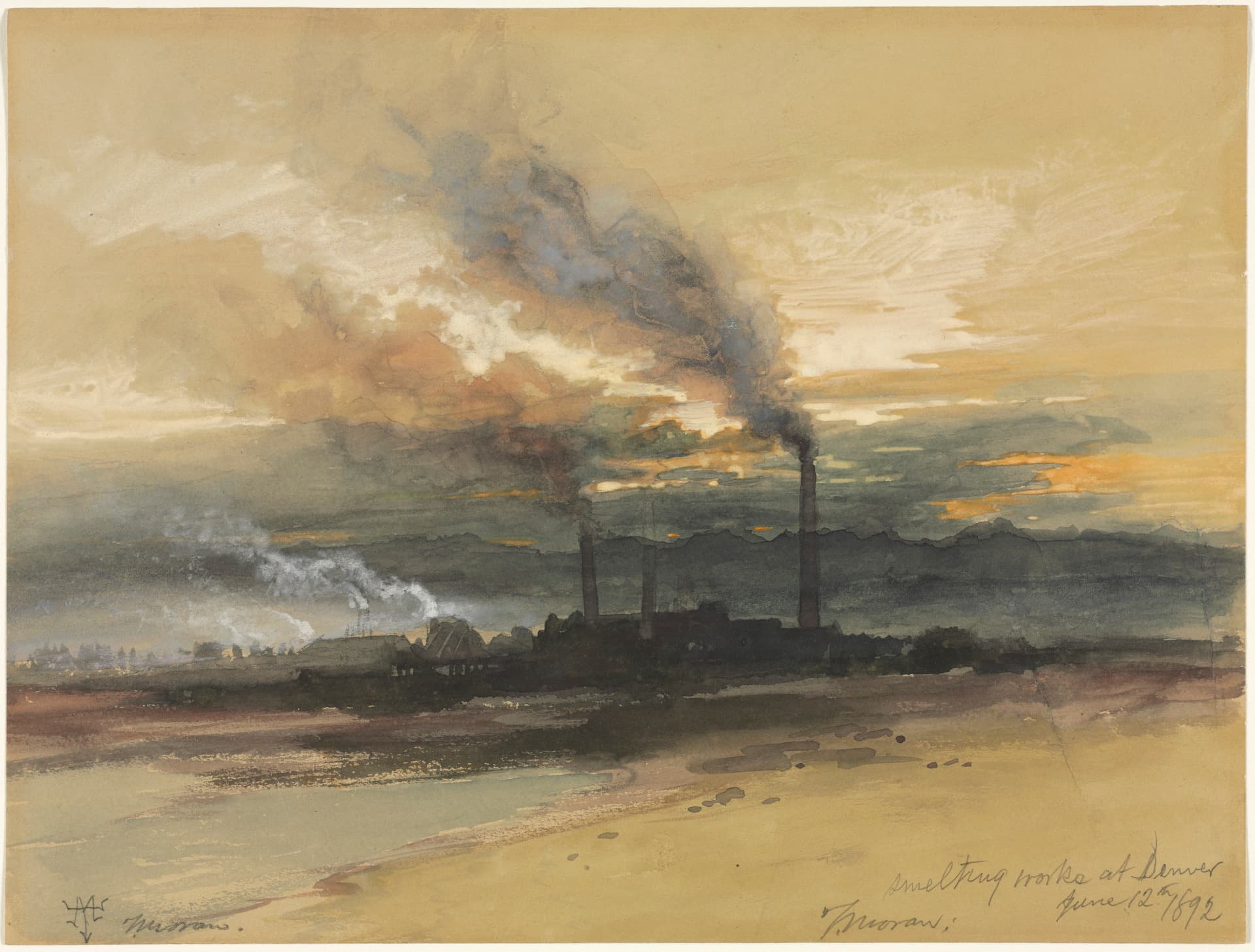
A horizontally oriented watercolor and gouache painting on light brown paper depicts a factory in the distance. Smoke from the smokestacks billows up into the sky, which is painted in shades of gray, yellow, and white.

Toothpicks

In Blue Rational/Irrational, Al Loving, the artist, evokes a 3-D space using creative and strategic layering. How many cubes can you see? Now it’s your chance to recreate any artwork from the CMA’s collection using only toothpicks!
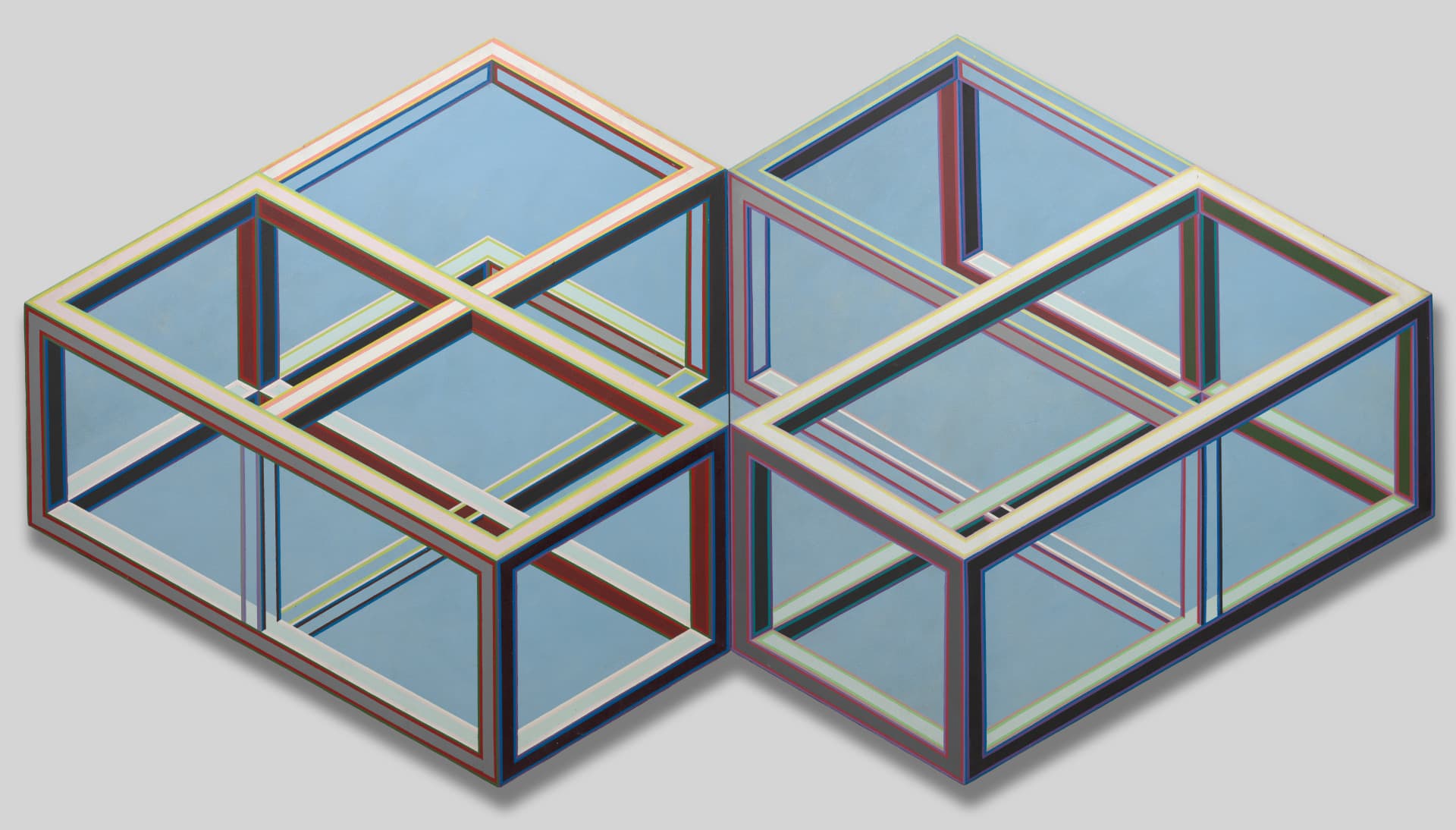
An illusionistic diptych is created from two acrylic paintings pushed together, with each appearing to create the frame of four cubes connected to make a larger diamond, the corners conjoining. The angular frames intersect over a blue background, frames colored in shades of gray and blue but outlined with intersecting blue, red, orange, and yellow lines.

Rice and Dried Beans

Georges Seurat drops us into the audience in his Café-Concert. Café-concerts were popular entertainment places in Paris during the late 1800s and usually featured singers or other entertainers. Try using rice and dried beans or other common dry goods to re-create any artwork in the CMA's collection....
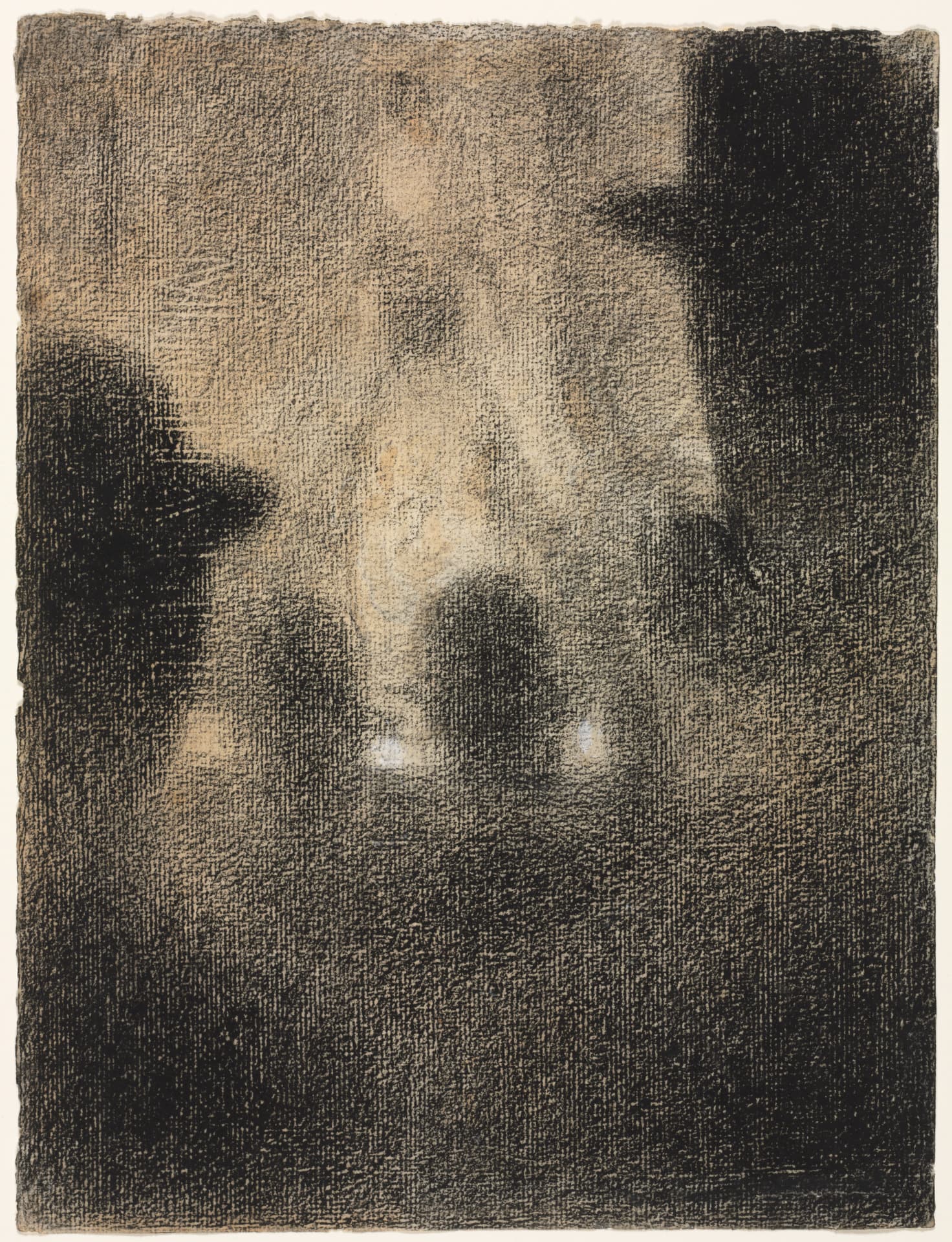
A vertically oriented drawing features shades of black and white on cream-colored paper. The perspective is from close behind many silhouettes of figures wearing bowler hats, drawn in shades of black. They are watching a silhouette of a figure wearing a long dress standing at a stage in front of them, drawn in lighter shades.

Cardboard

Batter up! The artist Claes Oldenburg makes supersized recreations of everyday objects such as Standing Mitt with Ball. Now it’s your turn to reimagine this artwork or any CMA artwork using only cardboard.
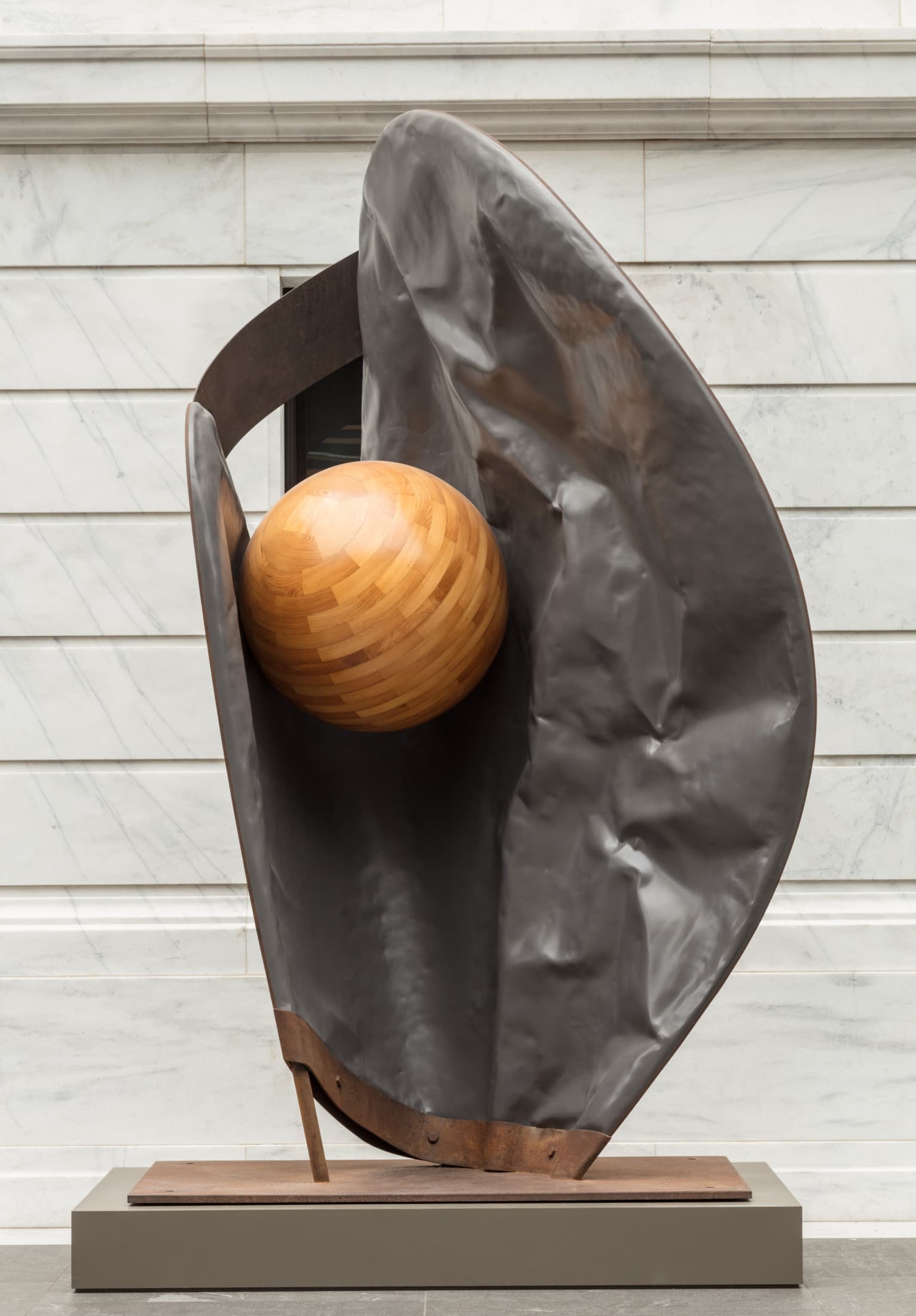
A lead and steel gray-brown baseball mitt is tilted up on a base and holds a wood ball made of curved planks of light brown, striated wood. The glove warps around the ball, a rectangular band connecting the body of the glove to the thumb.

Sticks

Let nature inspire you in this challenge—recreate Picasso’s Twenty Poems of Gongora: The Bust of a Woman, Hand to Her Face, using only sticks!
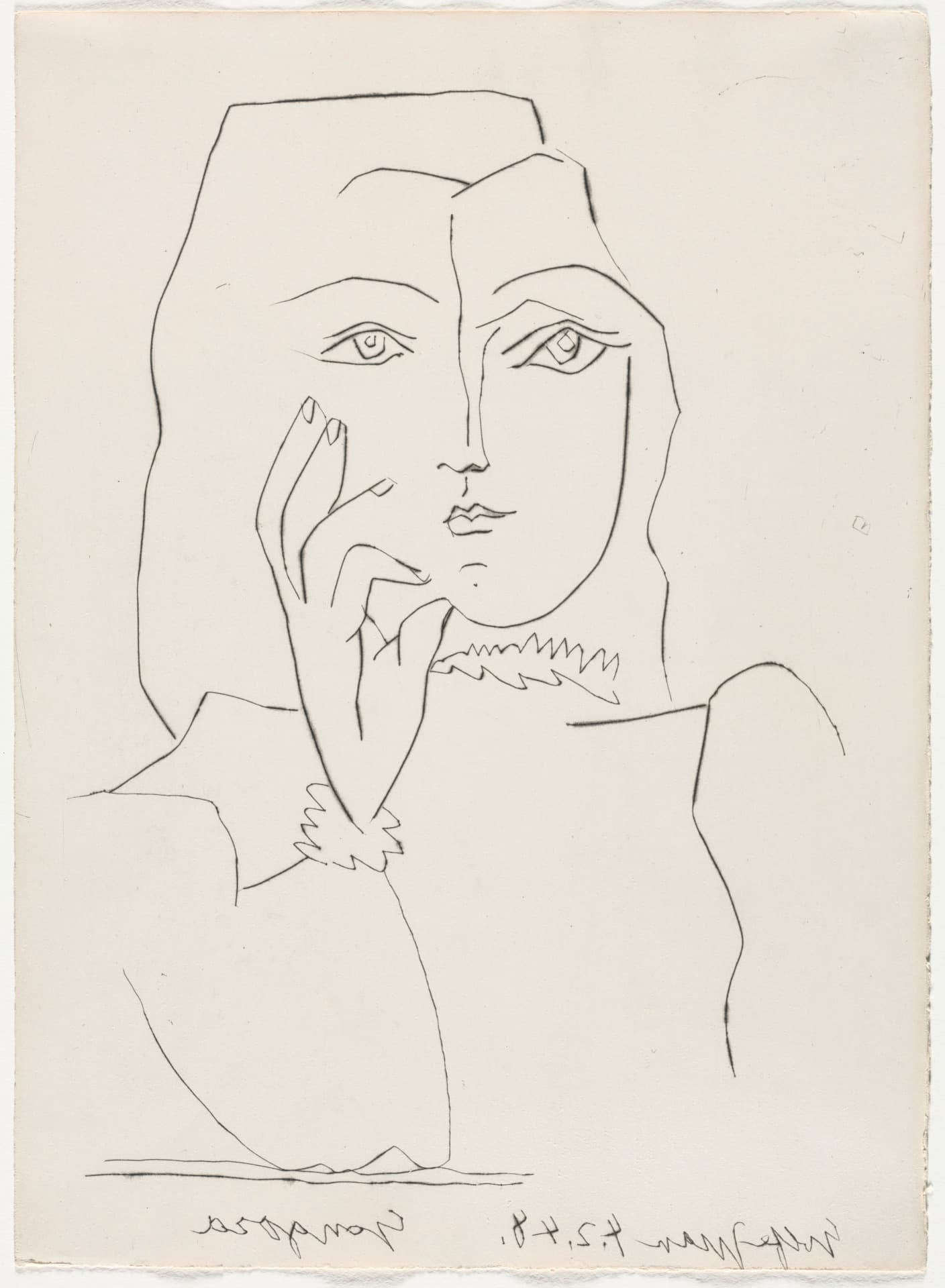
A vertically oriented drypoint print in thin black lines depicts a stylized woman from the chest up. Her face merges frontal and profile perspectives with wide, almond eyes and small lips. She rests her chin on a hand, slender fingers pointing toward her temple. Minimalist, flowing lines define her hair and a zigzag ruffled collar.

Aluminum Foil

Use only aluminum foil to re-create the CMA’s Half Armor for the Foot Tournament. Did you know that Pompeo della Cesa, the maker of this armor, was the Armani or Gucci of the 1500s? Everyone wanted to wear his designs!
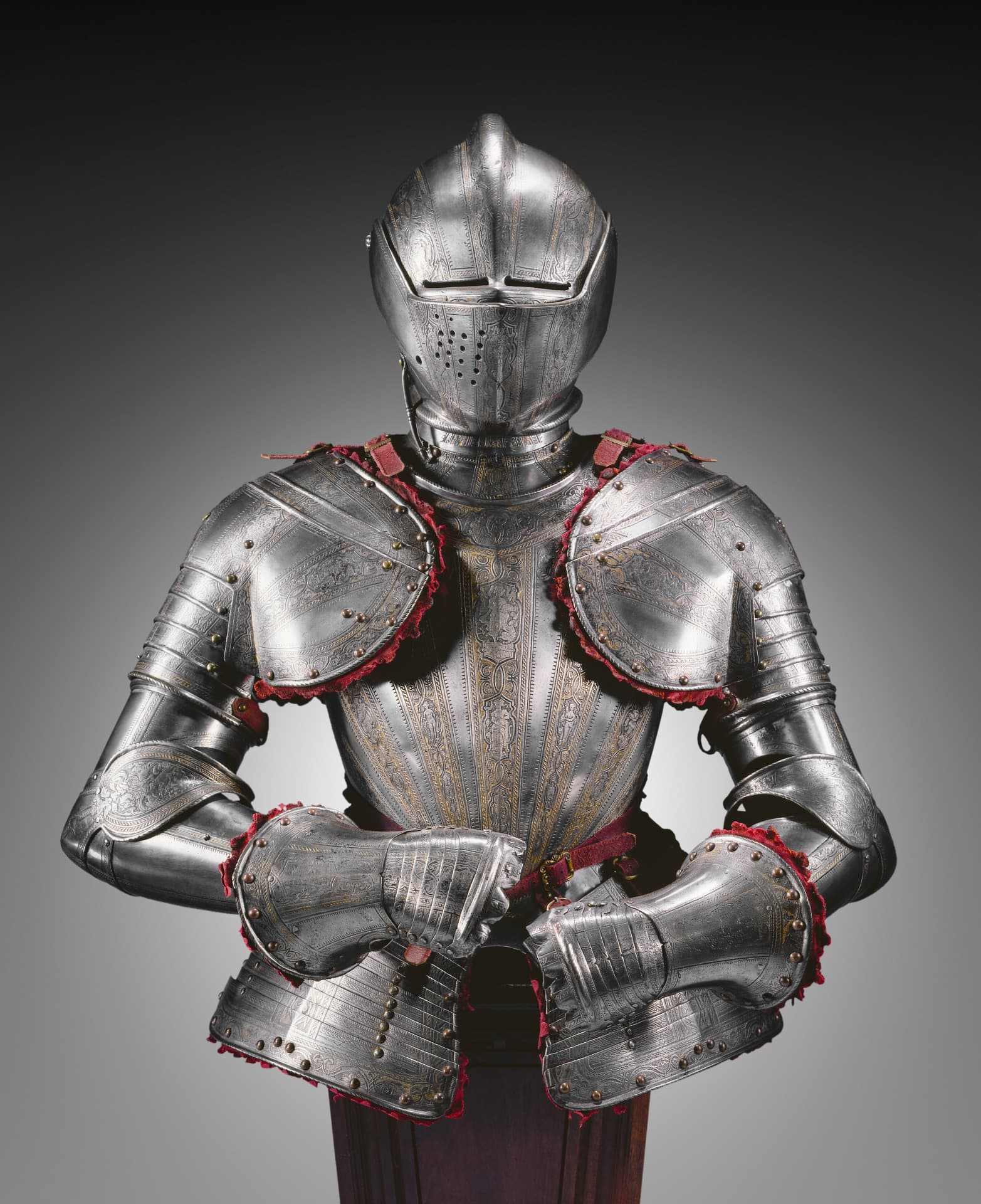
A half of a set of steel armor including the helmet, shoulder, arm, chest, and torso pieces is detailed with etchings of patterns and figures. It also contains a reddish-purple belt and red velvet fittings visible at the edges of the armor.

Cereal

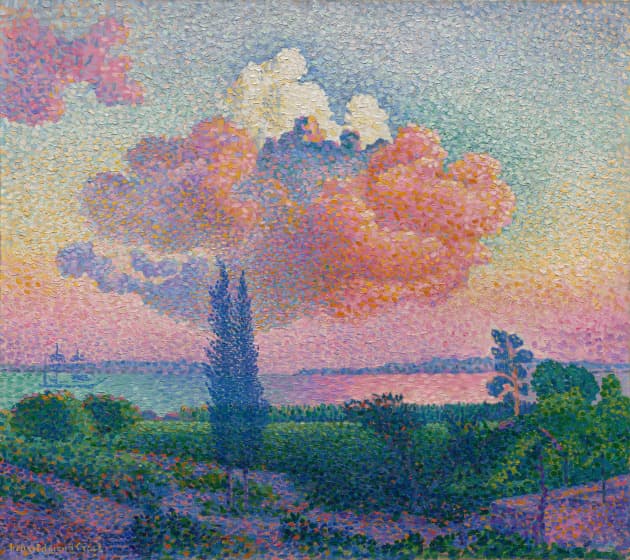
Hold the milk! Use only cereal to reimagine the CMA’s The Pink Cloud .

A square oil painting made of repeated, thick dots of paint depicts a fluffy, pink cloud floating in the light blue, yellow, and pink sky in the upper two-thirds. A green landscape cast in dark purple and pink shadows in the lower third, and water in pinks and blues is at the horizon. Two dark blue bushy narrow trees extend into the lower edge of the cloud.

Rocks

Head outside for this creativity challenge! Re-create Still Life with Birds and Fruit using only rocks.
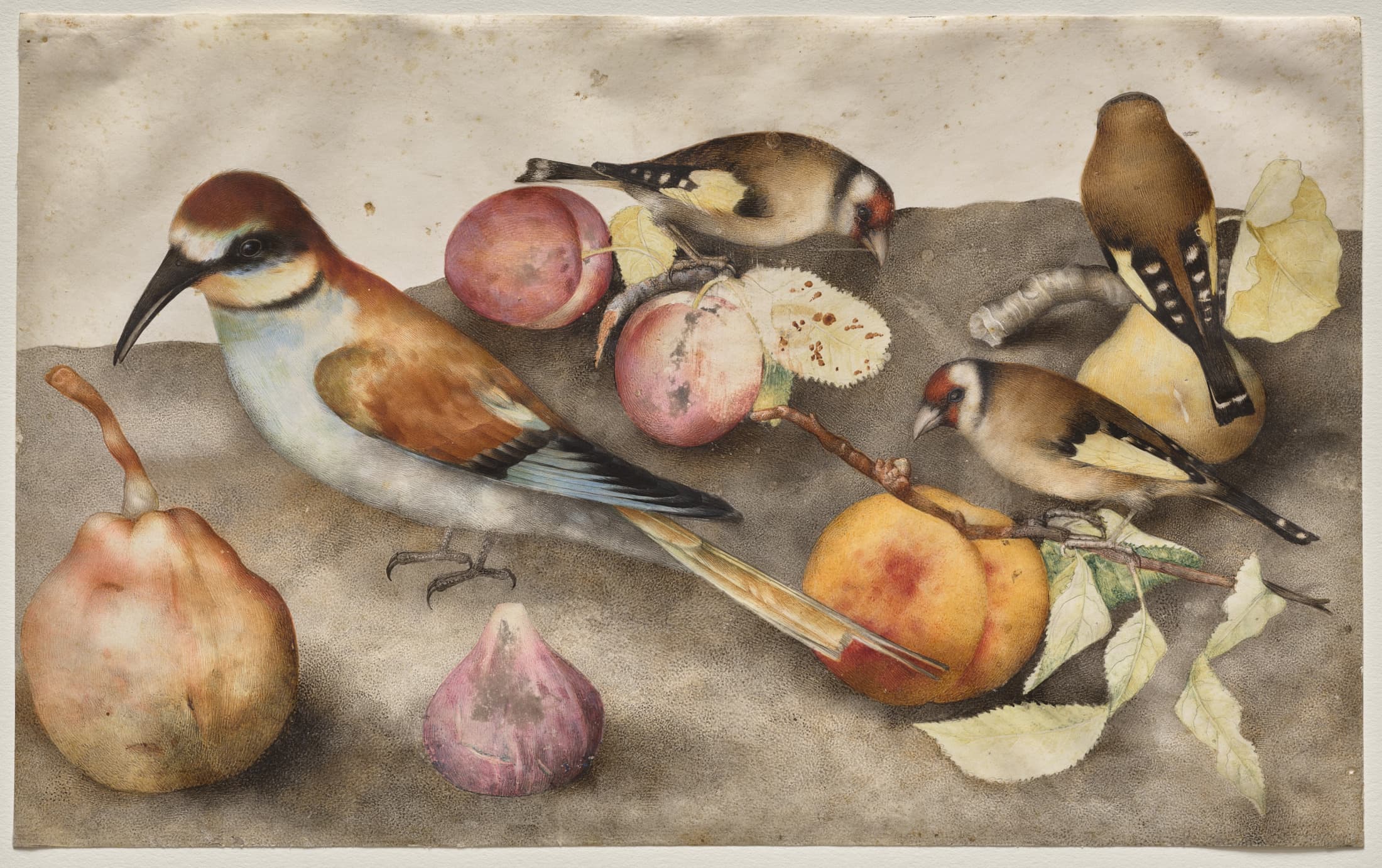
A horizontally oriented watercolor depicts four birds among pink and orange fruits with a few light-green leaves. On the upper right, three goldfinches with red and white faces and black- and brown-bodies with muted yellow wings, each sit on a fruit branch. On the left, a bee-eater bird twice the goldfinches' size with a long, thin beak, red-brown feathers, and blue on its chest, wings, and around the eye, faces our left, two fruit placed in front.

Lego or Blocks

Reimagine the CMA’s Peacock Table Lamp, using only Legos or blocks. Use our Collection Online to explore a 3-D model of the lamp—there’s even an animation that shows some surprising details about how the lamp works.
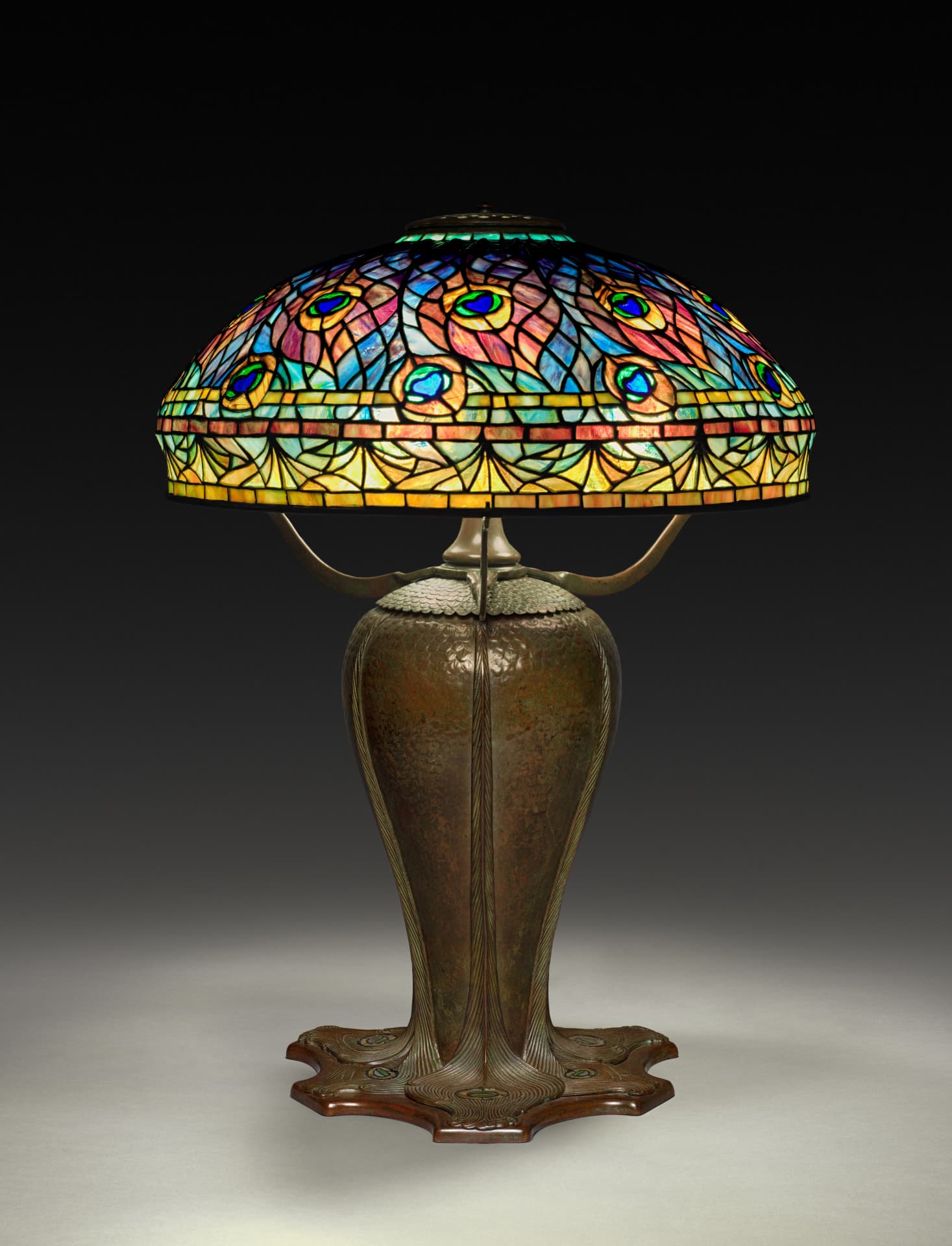
A table lamp features a colorful, glass lampshade resembling peacock feathers over a bronze body reminiscent of a peacock's body, having a broad shoulder with scalloped feather patterns, narrowing before flaring at the base with larger peacock feathers. The lampshade, a shallow dome over the lamp, is patterned with blue, orange, red, and green glass. Winding, dark metal lines connect the various pieces of glass together, light from the bulb within highlighting the glass' striated shades.

Kitchen Utensils

Wash your dirty dishes and get ready! Using only kitchen utensils, create the Must CMA object Tomb Guardian.
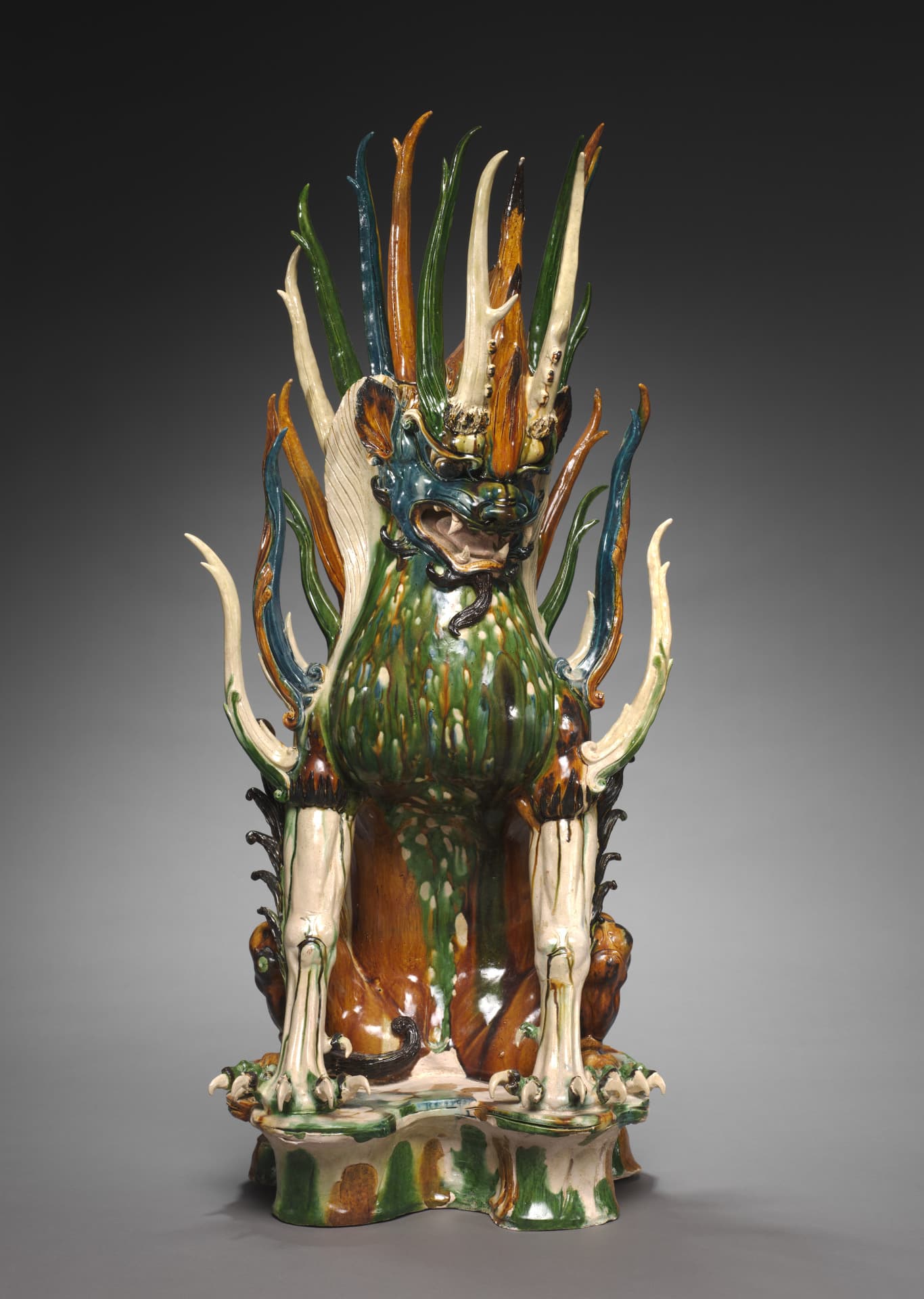
An earthenware sculpture, glazed in green, orange, blue, and cream, depicts a mythical beast with a blue animal face and claws, seated on its hind legs. Its mouth is open, baring its fangs. Antlers spike upward from its head and further spikes from its shoulders and the ridge of its back.

All education programs at the Cleveland Museum of Art are underwritten by the CMA Fund for Education. Major annual support is provided by Brenda and Marshall Brown, Mr. and Mrs. Walter E. Fortney, Florence Kahane Goodman, Eva and Rudolf Linnebach, and the Kelvin and Eleanor Smith Foundation. Generous annual support is provided by an anonymous supporter, the M. E. and F. J. Callahan Foundation, Char and Chuck Fowler, the Giant Eagle Foundation, the Lloyd D. Hunter Memorial Fund, Marta Jack and the late Donald M. Jack Jr., Bill and Joyce Litzler, the Logsdon Family Fund for Education, William J. and Katherine T. O'Neill, Mandi Rickelman, Betty T. and David M. Schneider, the Sally and Larry Sears Fund for Education Endowment, Roy Smith, Paula and Eugene Stevens, the Trilling Family Foundation, and the Womens Council of the Cleveland Museum of Art. 

The Cleveland Museum of Art is funded in part by residents of Cuyahoga County through a public grant from Cuyahoga Arts & Culture.

Education programs are supported in part by the Ohio Arts Council, which receives support from the State of Ohio and the National Endowment for the Arts.

Cuyahoga (opens in a new tab)

Ohio Arts Council logo (opens in a new tab)