America250: Looking Back, Dreaming Forward

On July 4, 1776, leaders from Great Britain’s 13 American colonies signed the Declaration of Independence in Philadelphia, Pennsylvania. The colonies sought freedom from British rule and the right to govern themselves.
This year, we mark the 250th anniversary of this moment and the founding of the United States. The national observance of America250 asks us to reflect on the past and look forward to the future. Our own lived experiences shape how we view the history of the United States, resulting in a range of stories, interpretations, and perspectives.
The Cleveland Museum of Art is proud to share a variety of these perspectives, featuring the voices of 10 artists on staff as they explore connections to a shared history through art. Each staff partner selected an artwork from the museum’s American collection and responded to this question, “When you look at this work, what connections do you see between its story and our shared American history?” Their responses are presented as special labels next to the artworks in the galleries.
Also on display are the voices of eight community members who took part in a Community Voice project. They were asked to share what the American Dream meant to them. All America250 labels remain on view through the end of 2026.
Take the America250: Looking Back, Dreaming Forward tour in ArtLens App for a guide to each artwork.
Staff Voices
James McNamara
“I have worked at the museum for about 40 years, and my background is in fine art. Working here and going to school at the Cleveland Institute of Art and Cleveland State University also gave me a love for art history.
When I really examine this painting, I realize its subtleties. Shapes and a symphony of muted greens and reds keep your eye moving and tell a story about this man. He is relaxed, but he looks like he just looked up. The artist gave him a sense of presence. He is an American craftsman practicing his livelihood. Maybe the boat he’s making is for commerce and will support the American way of life. Innovations in industry of folks from the past led us to where we are today, in Cleveland, Ohio, and America.”
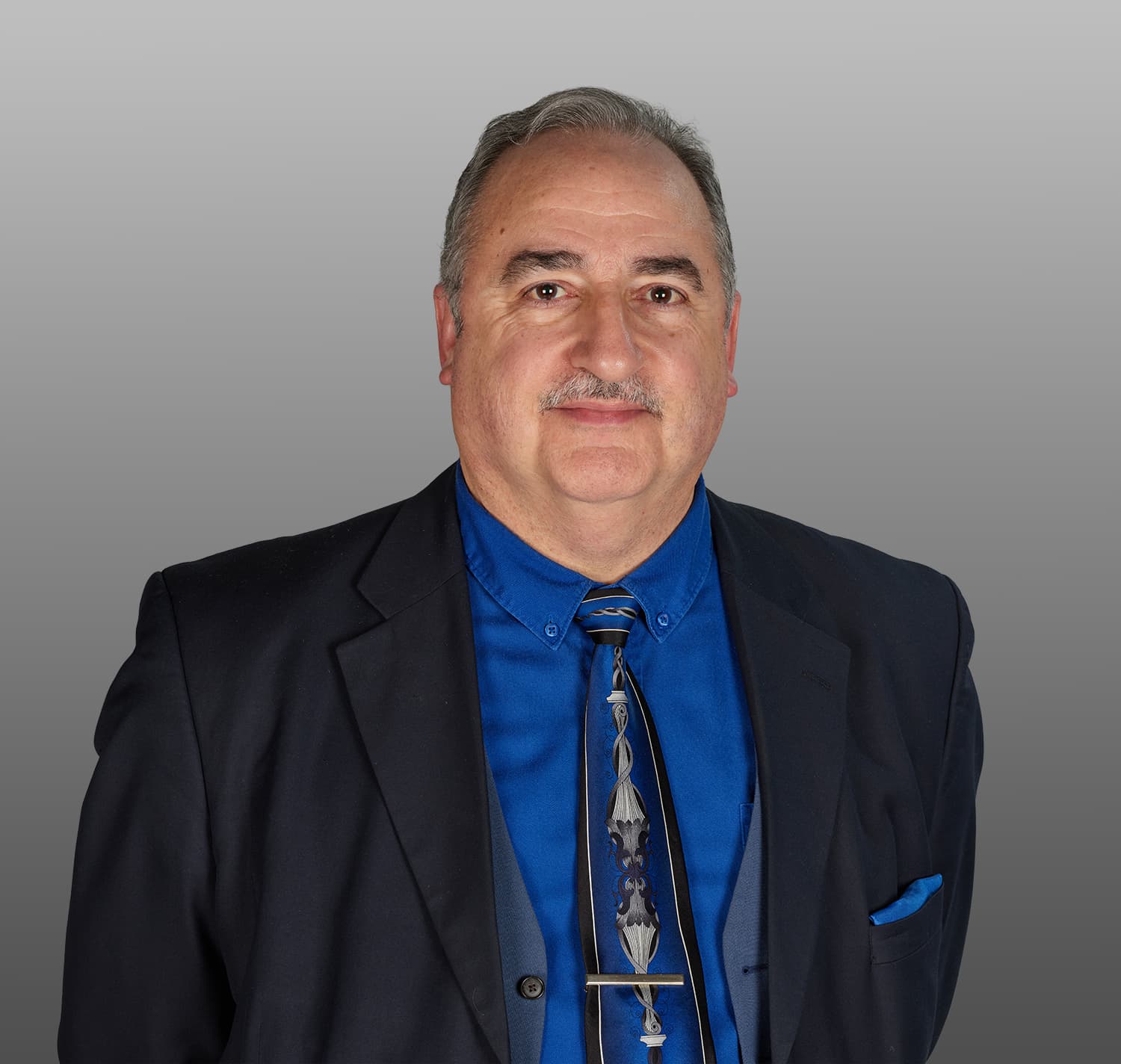
James McNamara, gallery guard
Gretchen Zito
“I’ve worked at the museum for two years, and I’m an illustrator on the side. I started an associate degree in studio and fine art this year. Most of my coworkers are artists and they’ve given me a lot of guidance.
I love Sargent’s use of color value here; deep browns, taupe, and a bit of pink in her cheeks. The details are incredible. We know this painting originally hung in a wealthy home. Now different communities can experience the beauty of art in the museum, and one of the greatest things is that it’s free to see. Everybody lives differently in America, but we share similar experiences. The more we learn about art and its history we can come together as Americans and realize that we’re not so different. American history like this is worth sharing.”

Gretchen Zito, visitor services associate
Tenzin Lucas
“I’ve worked in at CMA for three years. I enjoy music, videography, and experimenting with different instruments. I studied art history and book local punk and metal bands. My mom is from Cleveland, and my dad is an immigrant from Trinidad.
I love this painting’s layered pastel color palette. There is a sense of depth and motion with the main figure almost enshrouded in a haze. I appreciate that the roots of this painting were originally in literature and that the artist interpreted and presented the story in a visual context. Aaron Douglas is a Harlem Renaissance artist. I believe that if we treat the American spirit seriously, and hold freedom as a virtue, we should analyze and appreciate the ways that different communities in America perceive themselves and tell their own stories.”
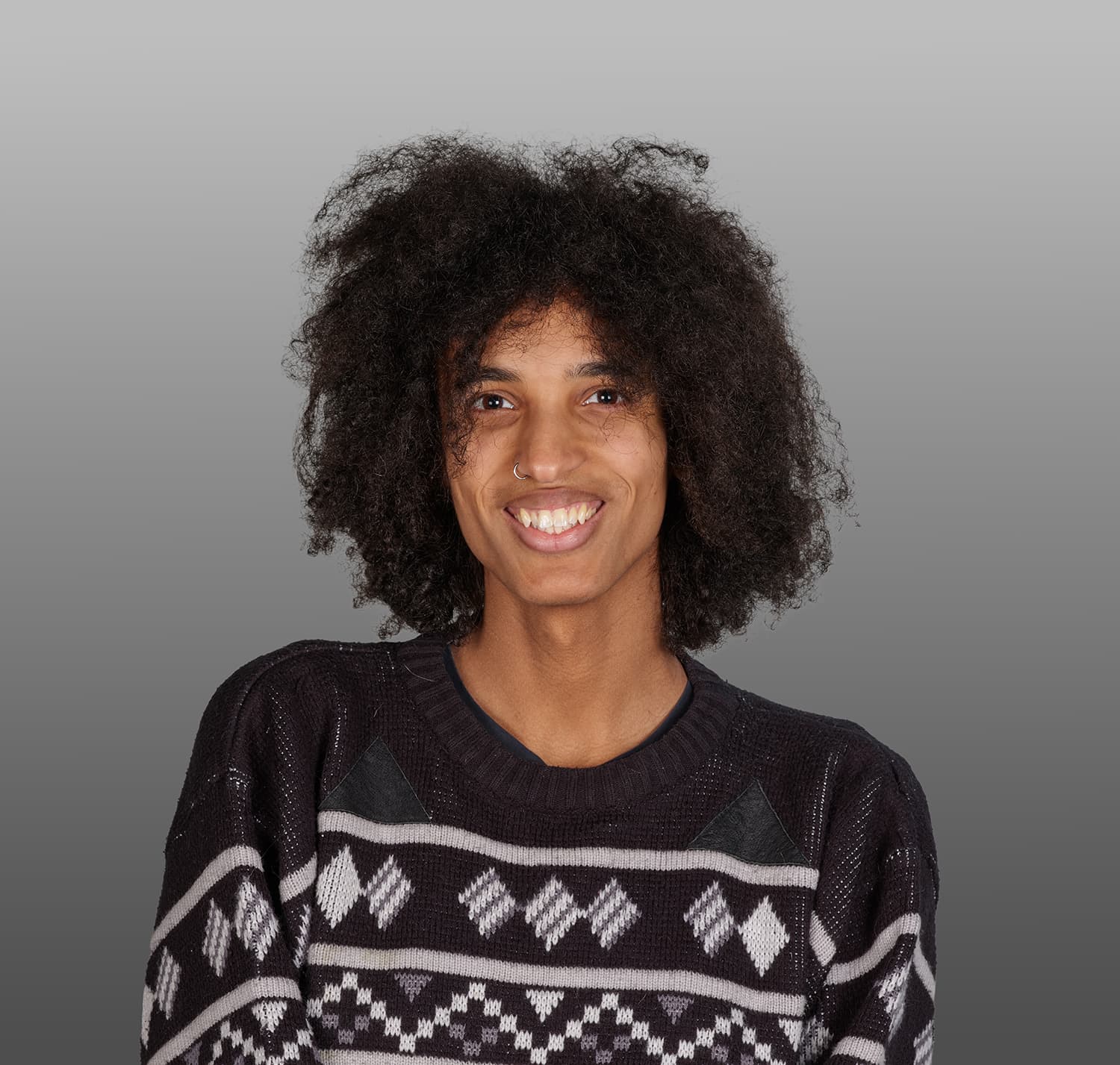
Tenzin Lucas, visitor services associate
Jane Sydney
“I’m a photographer and I’m very active in the arts community. I’ve worked in the museum store for three years.
Arthur Dove was one of the first abstract painters. This is how he saw a pine tree. What I initially thought were little flowers actually represent his interpretation of pinecones. Dove gave this dark tree spots of life and light. He had his own vision of nature, and he wanted to show people that vision. Artists who portray those differences of understanding are of interest to me because they are leaders in changing our minds and culture. Two hundred fifty years ago, our forefathers created this country, and they too were doing something different from anywhere else in the world—and they succeeded.”
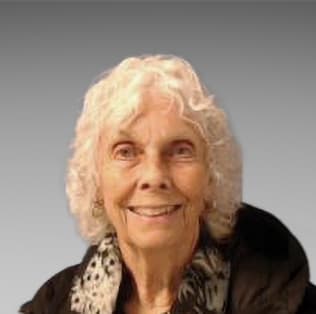
Jane Sydney, sales associate
Ellie Huxford
“I graduated from the Cleveland Institute of Art with a BFA in animation and began working at the museum shortly after. Being here has influenced my own artwork and how I approach visual storytelling.
What caught my eye in this painting is the contrast of golden wheat fields pitted against the dark, ominous clouds overhead. When light hits the fields, it seems to sparkle and bring the scene to life. The clouds show the looming presence of war, while the wheat fields symbolize peace. Growing up in Indiana, I’ve driven along country roads, and I’m proud to have my home represented. It reflects an America shaped by farmers, the backbone of our country, whose work has always mattered. This painting is a reminder that America’s identity is rooted in both the land and the people who work it.”

Ellie Huxford, visitor services associate
Meghan Sweeney
“I’ve worked in the museum store for over two and a half years, but I also have my own jewelry practice. I went to the Cleveland Institute of Art, and I would come to the CMA every day because it is such an inspiring place.
I've always loved this artwork. Nevelson put found objects together, painting them all one color, so they become part of this larger piece. And she was an immigrant from Russia—now Ukraine. My great grandmother came from Ukraine. It was drilled into my family that America is a country where you can make anything of yourself. The biggest thing I see in the sculpture is unity. These individual parts came from different areas but work together overall. In America, it doesn’t matter where we’re from, we all still belong in this country.”
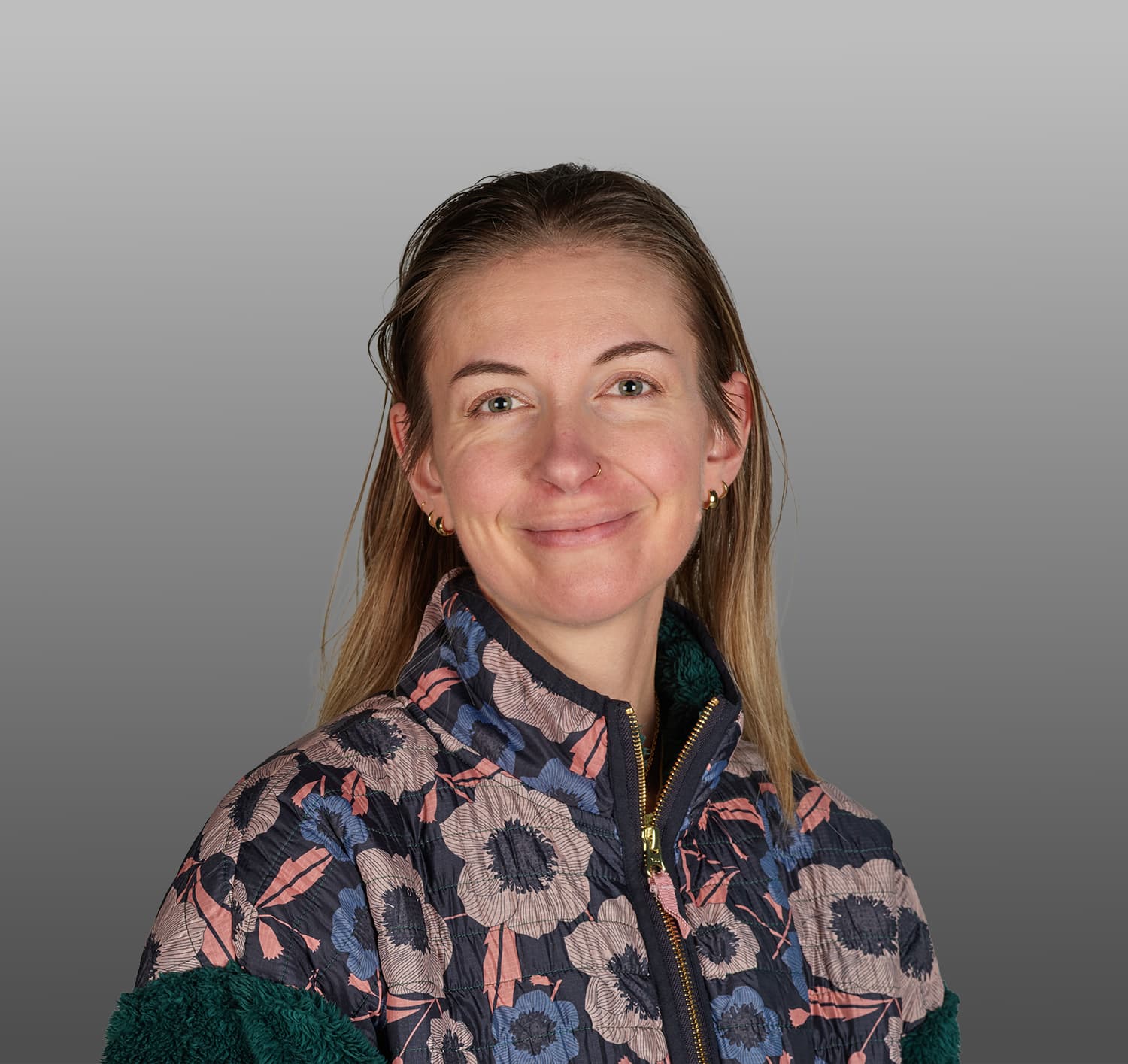
Meghan Sweeney, sales associate
Maggie Latham
“I’m a multidisciplinary artist who works with mostly natural materials. I went to the School of the Art Institute of Chicago and returned to Cleveland, where I started making natural dyes. I’ve been an educator at the CMA for eight and a half years.
Joy Jacobs is from Cleveland. I was drawn to that as someone born and raised here. The subtle color in this artwork is captivating. It’s like a building with many doors, contrasted with textures evocative of nature. It’s like how, in Cleveland, we have a Rust Belt vibe mixed with prairie landscapes. It’s powerful to remember that there are people in our city making artworks in museums and receiving acknowledgement in their lifetimes. That’s a hopeful aspect of community that could ripple from Cleveland outward to our larger American community.”...
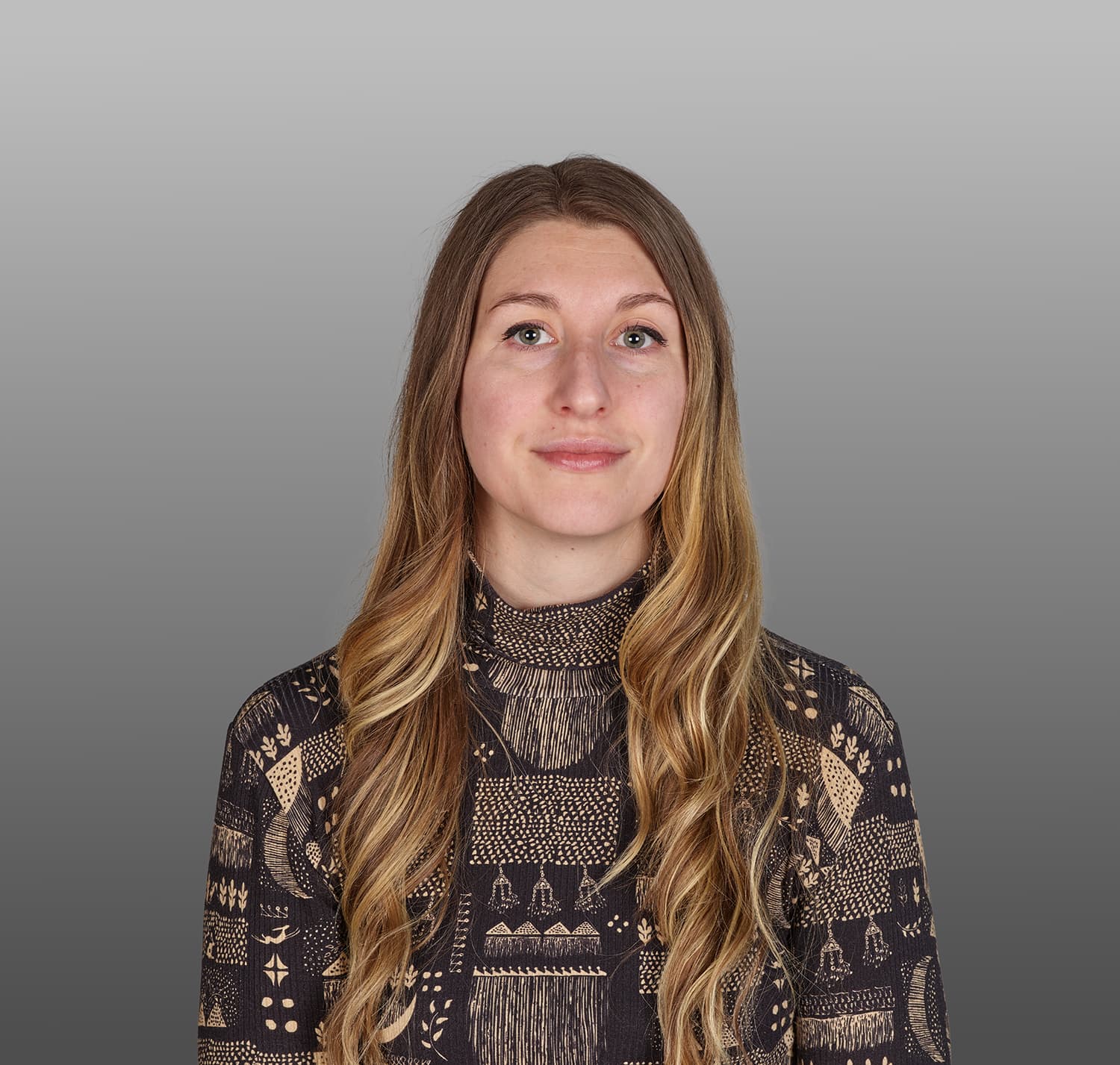
Maggie Latham, youth and family engagement coordinator
Chiquitia Montgomery
“After graduating from the Columbus College of Art and Design, I've worked as a graphic designer for over 25 years. Now, I'm retired and have worked in the retail store for about a year and a half. I always have my hand in a creative field.
The starkness of this painting makes me feel at ease; the puffy clouds, the sunny sky, and the lone figure. Yet, I'm thinking this is someone who has struggled to make a good life. We are 250 years into our history as a nation and still have similar problems as people did in 1776. They were trying to get away from persecution and to be free, but there are still people who can't have their freedoms due to policies that discriminate based on race, gender, and income.”
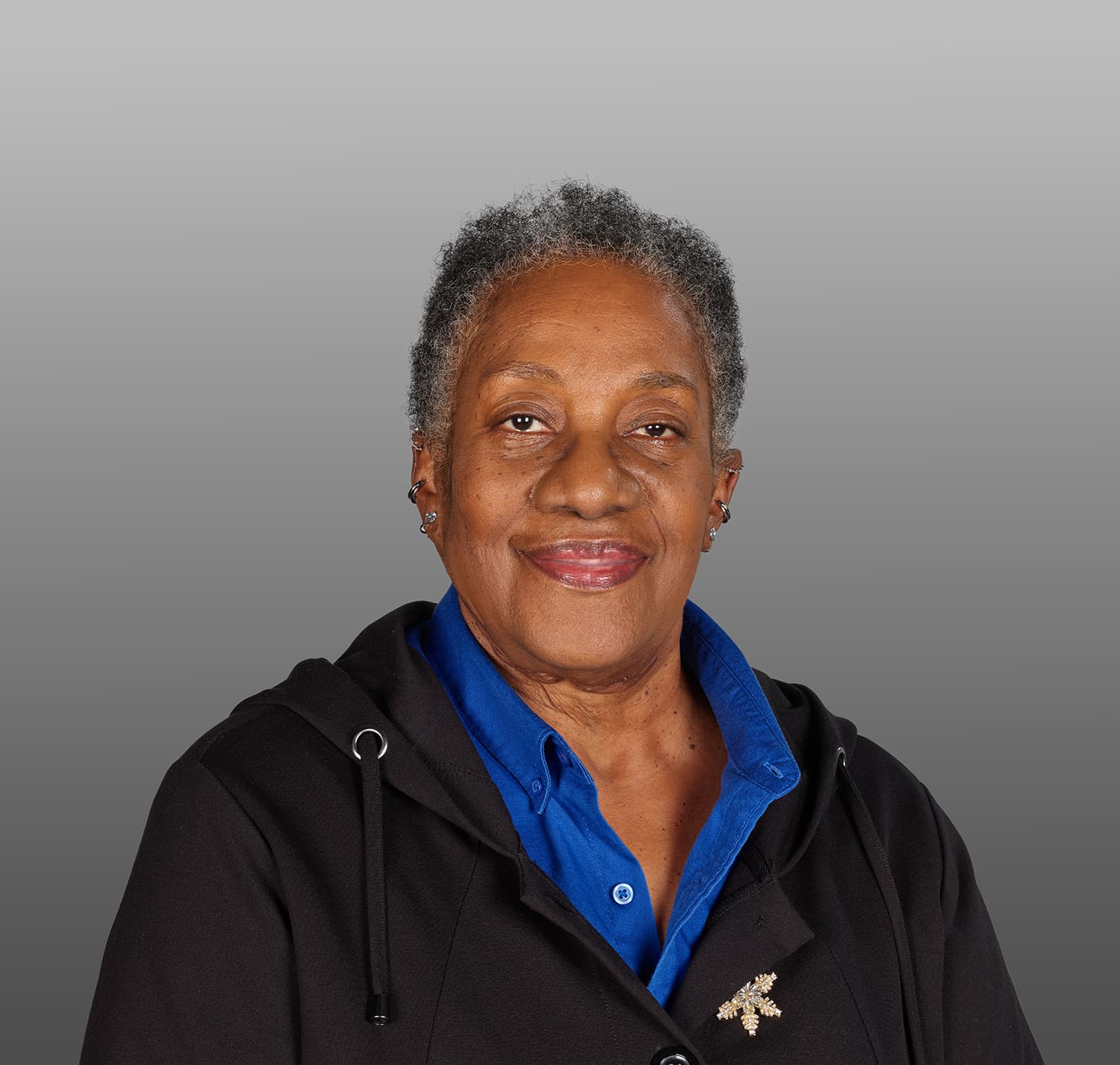
Chiquitia Montgomery, sales associate
Paola del Rincón Martínez
“I’m a Mexican Argentinian immigrant, but I’ve lived in Cleveland most of my life and have worked at the Community Arts Center for a year and a half. I am a multidisciplinary artist and designer. My work reflects my passion for environmental sustainability and social justice.
Created during the HIV/AIDS epidemic, Holzer’s work speaks to a moment when the death of queer folks was widespread but met with silence and neglect at the state level. Through this piece, mourning becomes a political act. It invites us to reckon with the gap between American ideals—liberty, equality—and the lived realities of marginalized Americans. America is lucky to be graced with so many different voices and perspectives; it’s a shame when what I believe makes this country so special is also attacked.”
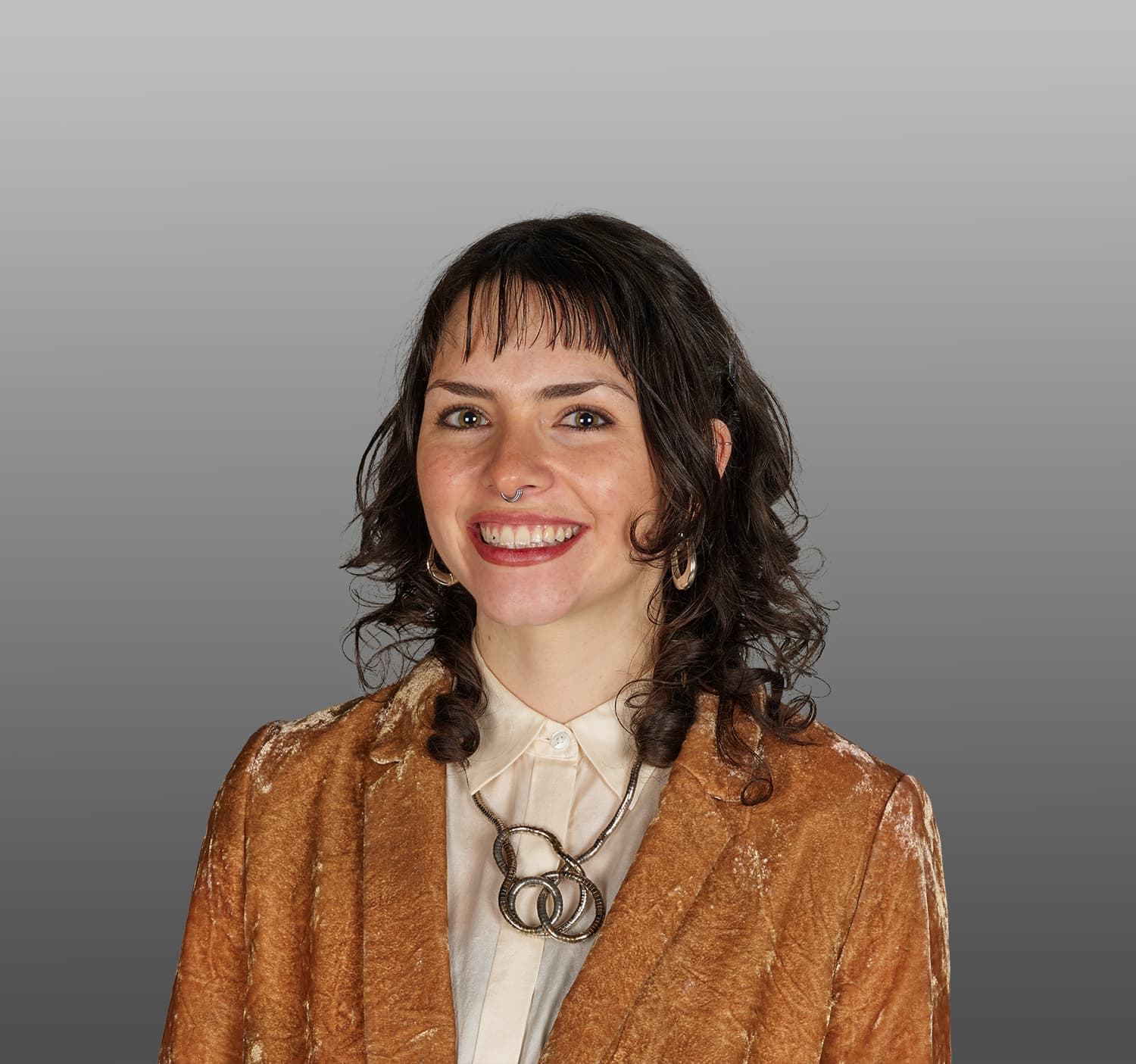
Paola del Rincón Martínez, lead studio assistant
Theadis Reagins
“I’ve been working at the museum for almost two years. I grew up in Cleveland, and I’m finishing my BFA at the Cleveland Institute of Art. I’m a painter and printmaker.
When I saw the title Tea for Two (The Collector), I was wondering who the collector was. Seeing a Black collector represented in the painting was something new to me. The art being collected is all nonfigurative, nonrepresentational and made by White artists. I think Colescott choosing artists that were also all Americans situates the painting within the world he was working in as a mixed person of color. I don’t know if there’s an artist represented among the figures in the painting, so I definitely think that by painting this scene, Colescott was inserting himself in the lineage of American artists.”
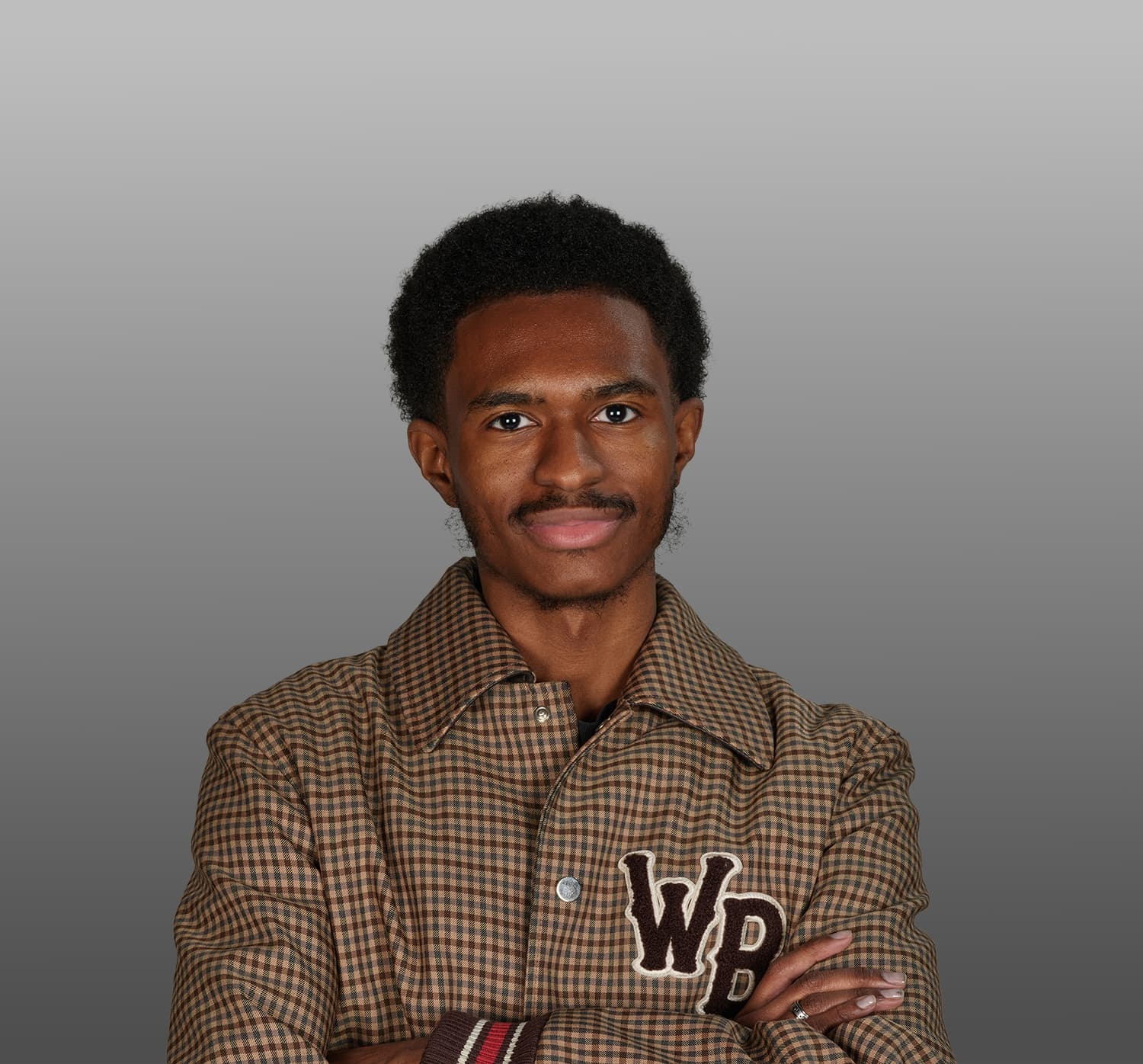
Theadis Reagins, gallery guard
Community Voices
Randall W. Harrod
“The American dream means having the freedom and opportunity to pursue whatever dream I have and knowing the right path to follow to obtain it. I spent ten years in the army, and I think it prepared me for where I am today. It gave me the discipline to know what I want and the motivation to achieve it.
The first thing I noticed in this painting is the red, white, and blue clouds. It’s a very patriotic sky. The clouds are like a blanket that provides you with the freedom to pursue your dream. The vastness of the landscape with a river running through it shows me a path that I can follow to get to that distant land of riches, freedom, and opportunity.”
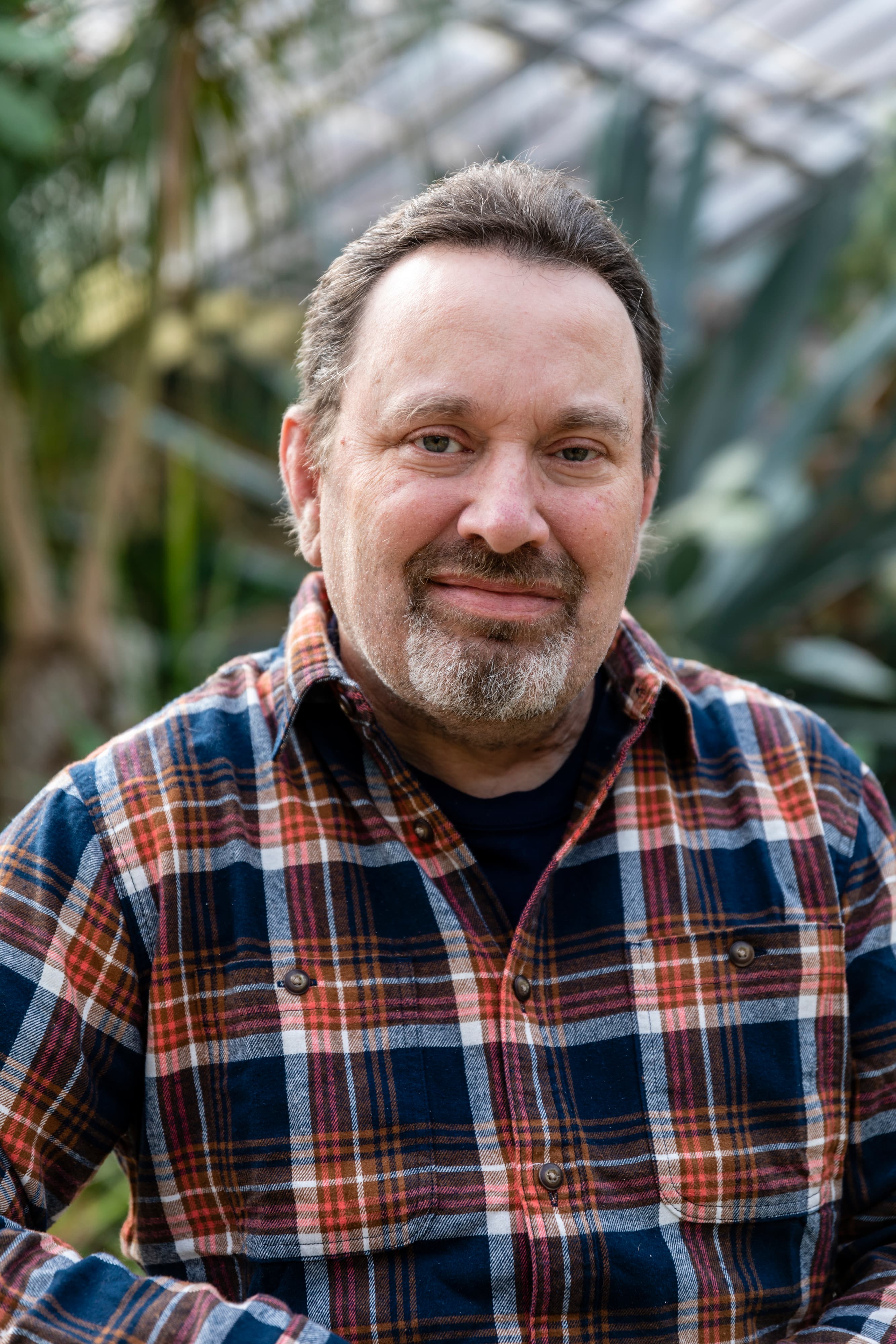
Randall W. Harrod, combat veteran, United States Army
Marlys Rambeau
“The American dream has evolved over the years. Before, it was very standard, but it has changed to become about doing better for my community and passing down my culture and heritage through education of where we came from.
I see this painting in two ways—as nice and tranquil, but also destructive. There’s a secluded cabin on the lake, which appeals to me greatly because my reservation in South Dakota is desolate and horrible. I love nature, the trees, and mountains, but we don’t have that there. At the same time, it is also hurtful, because I see the encroachment of the White man. They just came in here and cut down all these beautiful trees to make themselves a house.”
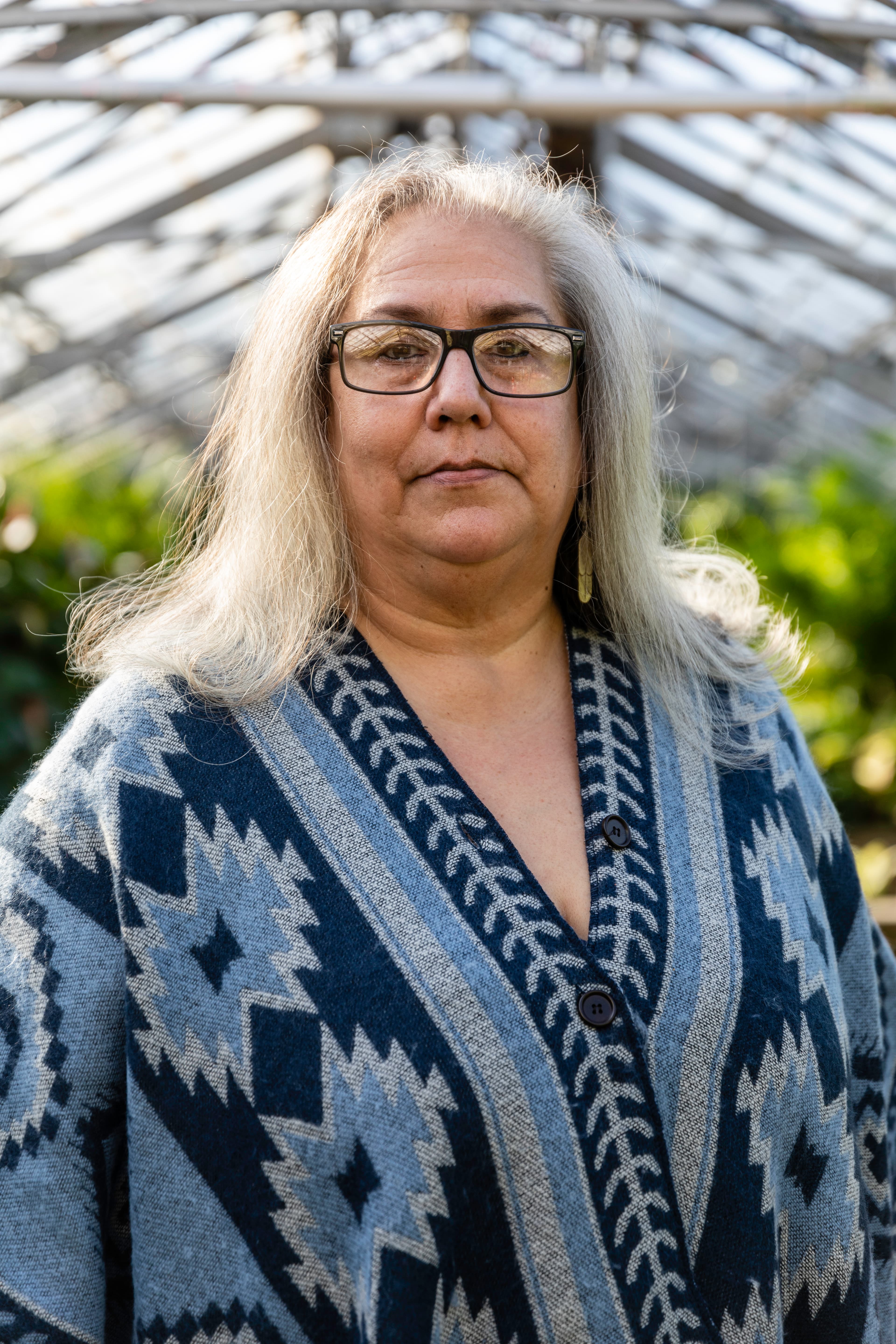
Marlys Rambeau, enrolled member, Cheyenne River Sioux Tribe
Shawna Polster
“The American dream is the ideal visualization of success in America. I’m a fourth-generation American. My great-grandpa lived in New York. He was basically a New Yorker even though he came from Europe. Many people entered through Ellis Island, and it was their first impression of America. New York represents everything American—it’s chaotic and busy, but everyone still wants to be there.
I was drawn to this painting because there are a lot of people, but you can’t see each one individually. It represents that in America, the ideal is to be part of the bigger whole. I love how everyone is gathering, how chaotic it is in New York, but how beautiful it is because everyone is part of a community.”
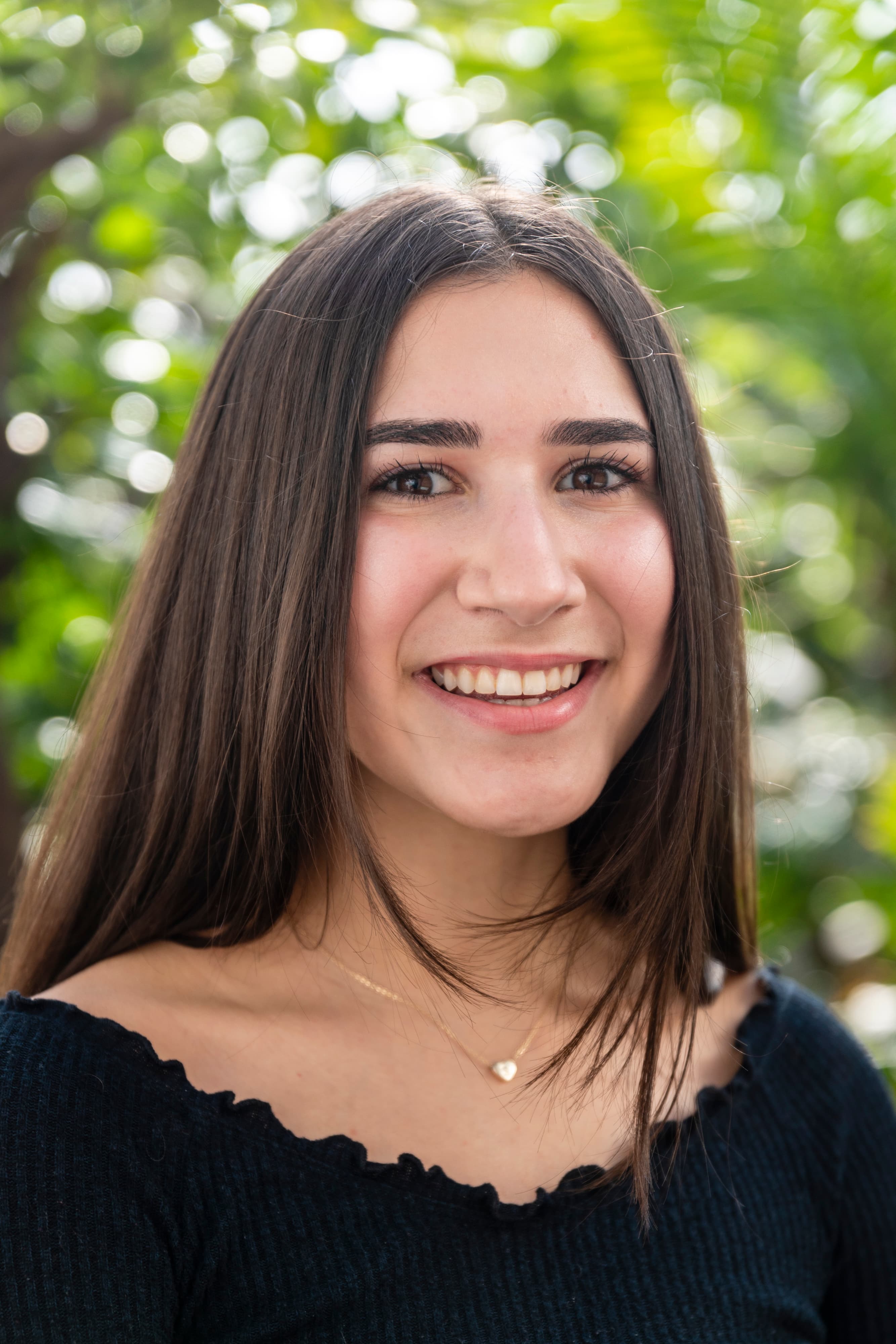
Shawna Polster, former Currently Under Curation participant
Logan Fribley
“To me, the American dream means achieving whatever you want. For some people that might be happiness. For other people it might be a certain level of status or becoming a celebrity. For me, it would be to find who I am, find peace, live a comfortable lifestyle, and raise a family—all while understanding that everything is not going to work perfectly the way that I want it to, but I am learning and constantly growing. That’s my idea of the American dream.
In this painting, I see peacefulness. I feel like a lot of Americans want that sense of peace and connection to nature. My dream is to move to Maine one day, and this image connects with that.”
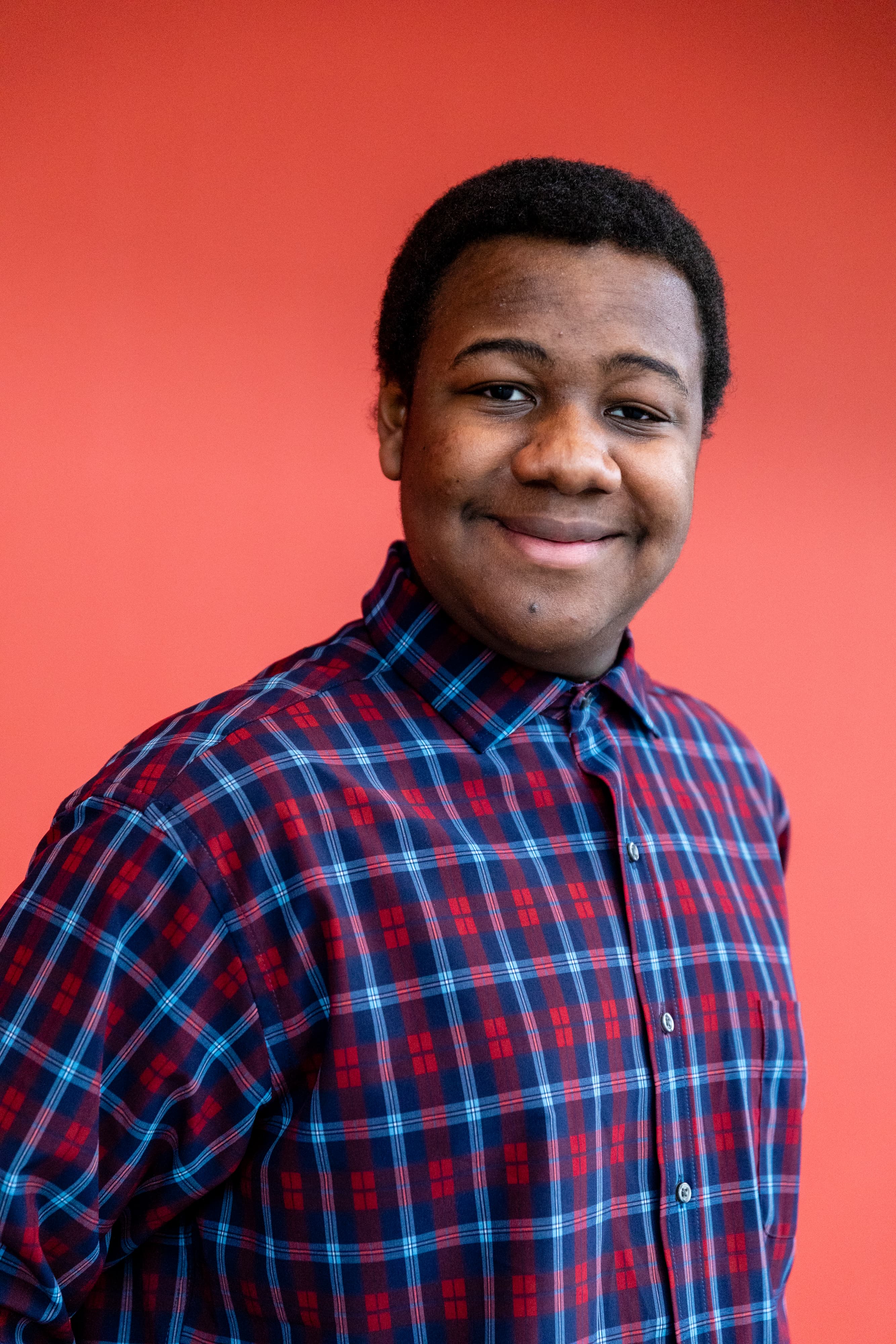
Logan Fribley, former Currently Under Curation participant
Rebecca Kimble
“The American dream is an ideal, not a promise. It gives you opportunities and pathways, but you must put in effort; nothing’s guaranteed. I think many of John Sloan’s paintings show working people, alluding to an American caste system, which, in a way, persists. The mega-wealthy are unrestrained while the poor are still condemned.
This woman is working hard, using her own hands and gumption. She might have family or be solitary, but she is self-motivated. She could be a recent American immigrant who may not speak English well and/or is having to start over. Either way, she’s excelling and pressing forward. We don’t know her backstory but can see she’s building the best life with the resources available to her.”
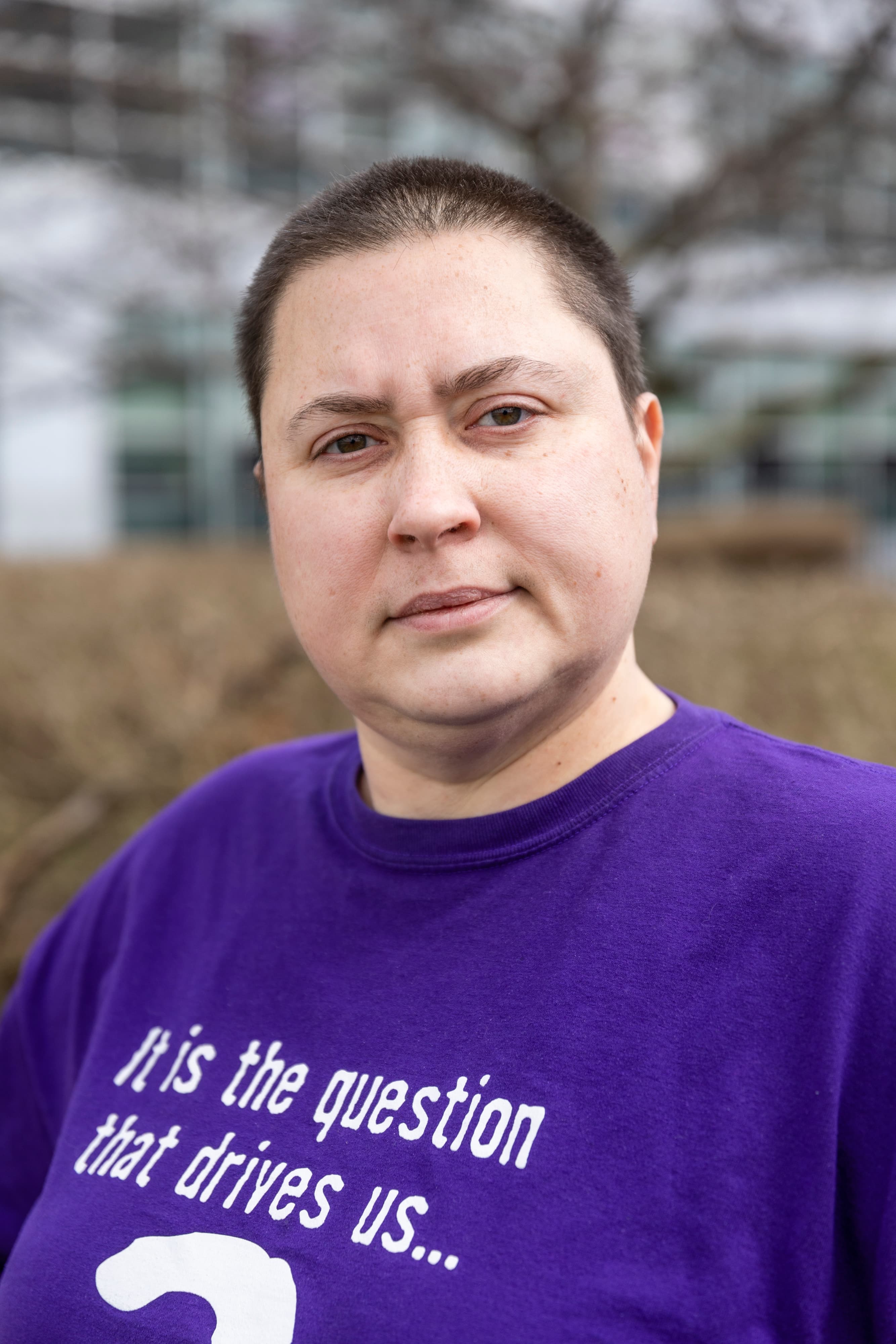
Rebecca Kimble, OnBase file clerk, Cuyahoga County Board of Developmental Disabilities
Felton Thomas Jr.
“The American dream means you get to live the life you want for yourself and for your family. It means you get to enjoy the life you have been given, explore it, and do things you’d like to do. I know folks living the American dream that are poor and rich. They’re both living their American dream because they’re happy.
I picked this piece because it’s me when I was nine. If you saw a picture of me, you would say, “That’s Felton!” This object speaks to the American dream of that kid— being wide-eyed to the world thinking I someday can be the American dream. This is a young person with their whole life ahead of them to find that dream.”
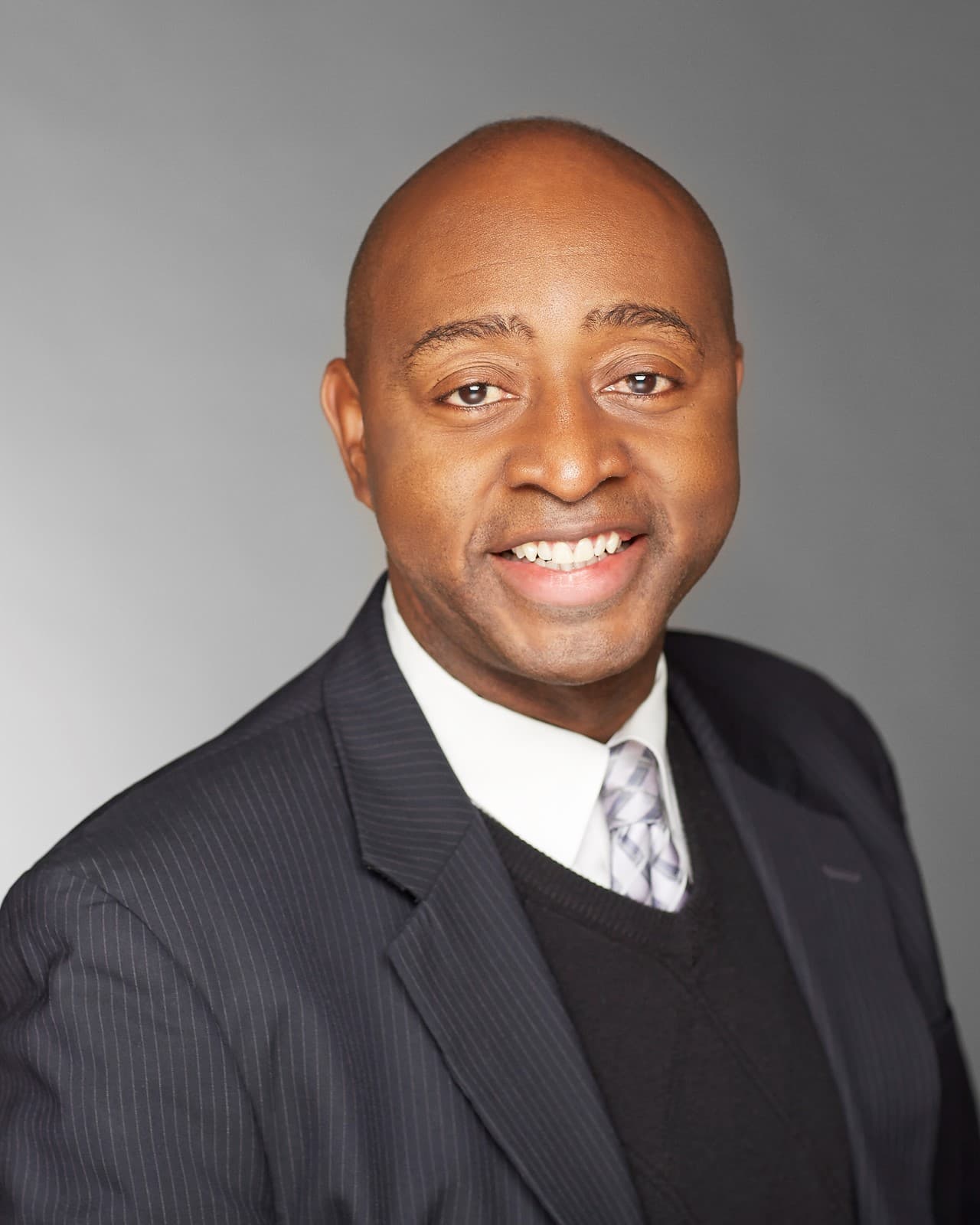
Felton Thomas Jr., executive director and CEO, Cleveland Public Library
Dexter Davis
“When I was younger, my idea of the American dream was a big house, two cars, a garage, and a good living. As the climate of the world changed, so did my dream. Now my American dream is for everyone to unite, love each other, and abolish all hate and racism. Unity and a sense of community are the American dream for me.
This painting makes me think about a time in the Hough neighborhood in Cleveland when everything was good. Black people owned businesses, and everybody was working together. We all knew each other. In the painting, people are enjoying themselves and working together. It looks like a real neighborhood where people take care of each other. You don’t find that much anymore around here.”
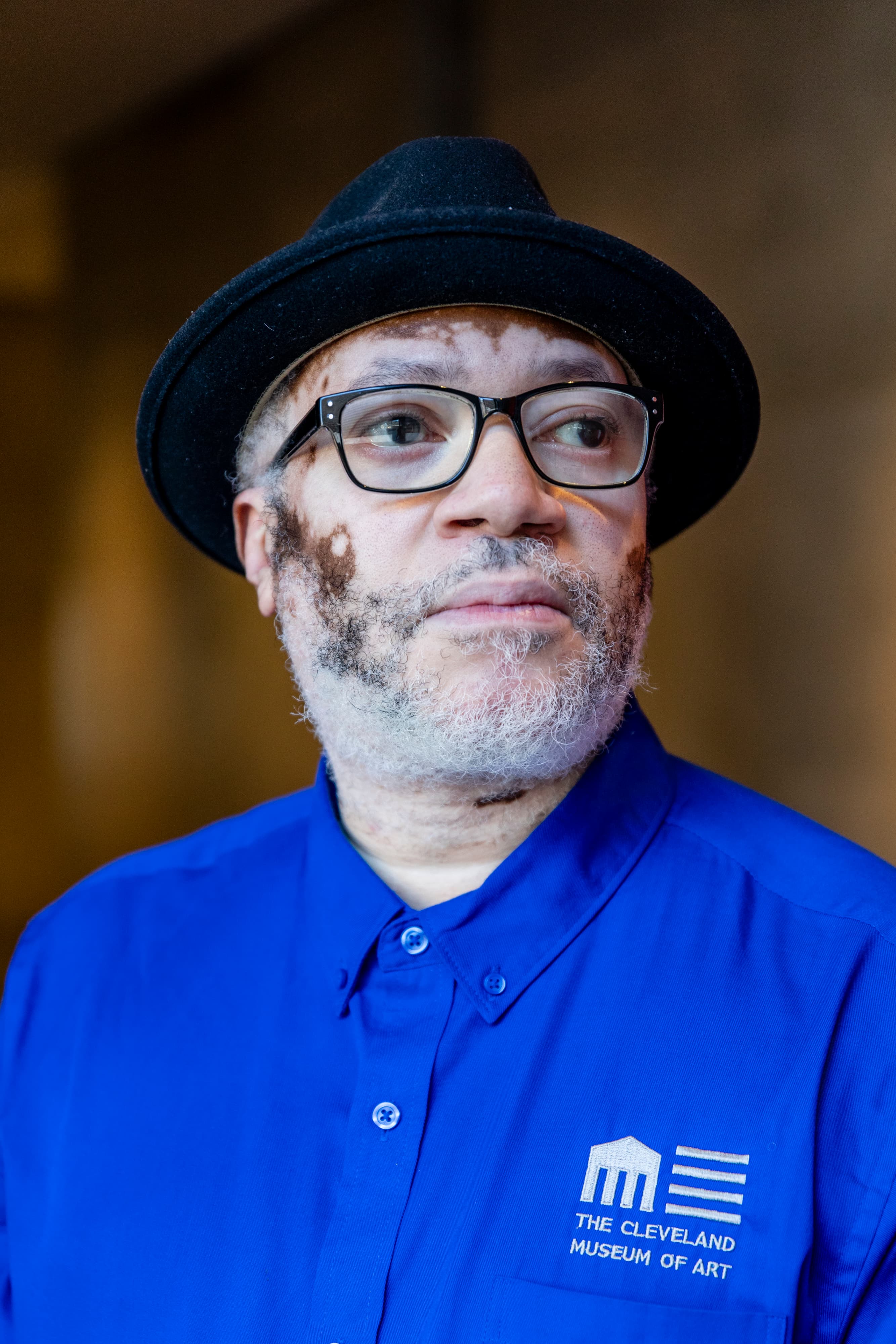
Dexter Davis, artist
Raja Belle Freeman
“The American dream means a lot of things for me. The keyword is freedom. It’s about being able to choose what freedom looks like for you, because it looks different for everyone. Early in this country’s history the idea of Manifest Destiny—to expand the nation across the continent––became an American dream. Then the dream morphed into fame and fortune.
Many people want their face to be recognizable. Marilyn Monroe is such an icon. In this painting, she almost looks like an emoji. I think a lot of Americans want to be that level of iconic. In our capitalist system, people dream of fame and fortune because that guarantees security. Many of us will never see anything like what Marilyn had, but it’s what people aspire to.”
.jpg&w=3840&q=75)
Raja Belle Freeman, poet, artist, creative arts teacher